
A good study space doesn't need a big budget. It needs a desk at the right height, light that doesn't cast a shadow on the page, a place for every book and cable, and a few things that make it pleasant to sit down at — most of which you can make yourself in an afternoon. These 33 study room decor ideas are DIY-first and built for students of every age: they start with the setup that makes studying comfortable, then cover desk organizers, pinboards, shelves, lighting and personal touches you can make from simple materials.
Set up the desk before decorating it
- Desk and chair height. Feet flat on the floor (or on a footrest for kids), thighs roughly parallel to the floor, elbows at about 90° when writing or typing. Most adult desks are about 28–30 in high; children need a lower desk or an adjustable chair with a footrest.
- Screen position. Following the OSHA workstation guidelines, keep the top of a monitor at or slightly below eye level and about an arm's length away; raise a laptop on a stand or a stack of books and use a separate keyboard.
- Rest the eyes. The American Academy of Ophthalmology suggests the 20-20-20 rule: every 20 minutes, look at something about 20 feet away for 20 seconds. A desk beside a window makes that easy.
- Light from the side. Put the desk lamp on the side opposite your writing hand — on the left for right-handers — so your hand doesn't shadow the page.
Safety for kids' study spaces
The CPSC recommends anchoring bookcases and dressers to the wall so they can't tip onto a child who climbs or pulls on them. Keep heavy books on low shelves, run cords along the wall instead of across the floor, and use lamps with LED bulbs, which stay cooler than old incandescent ones.
33 study room decor ideas — and why each one works
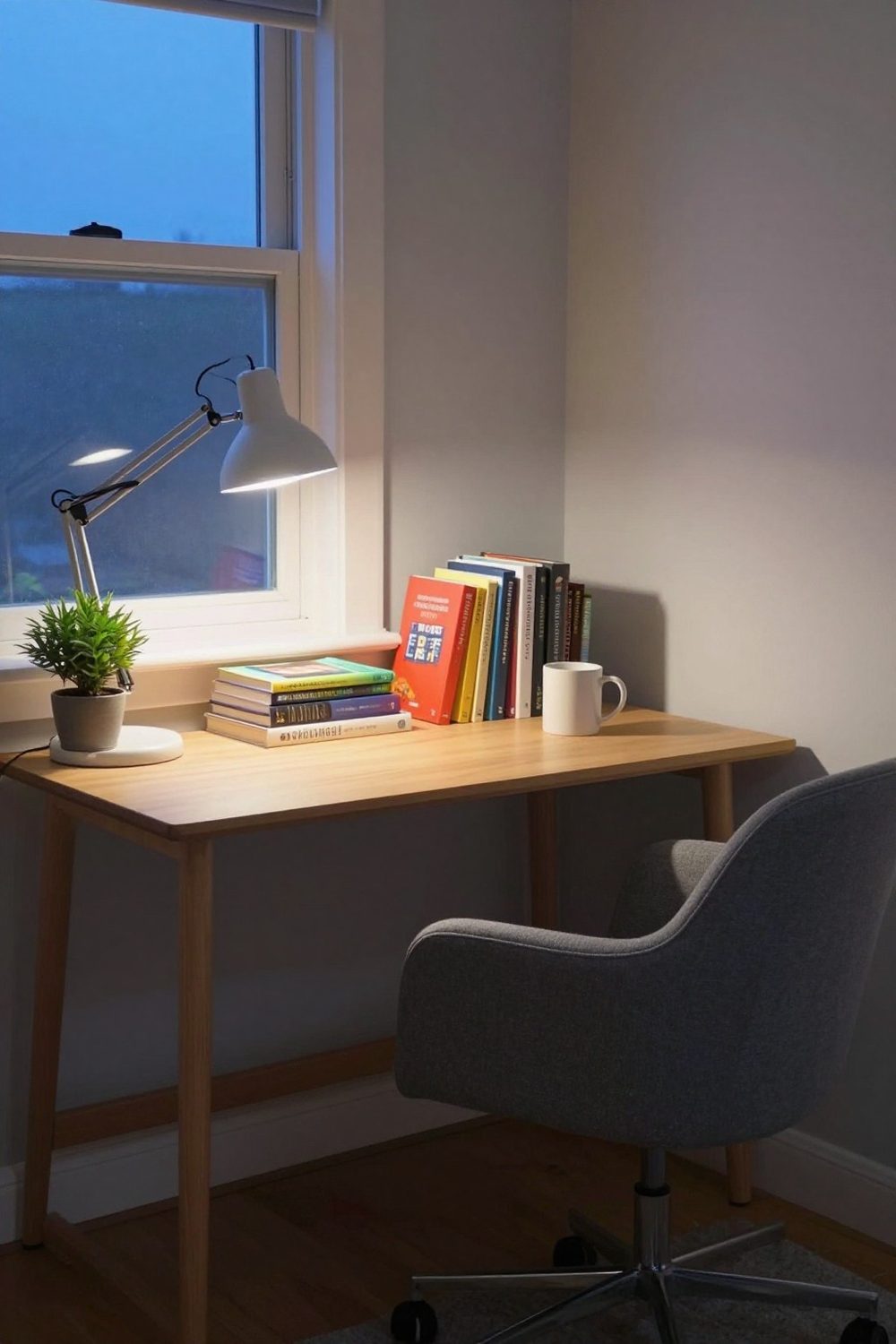
1. Put the desk by a window
Daylight from the side is the best study light, and a view gives tired eyes somewhere to rest.
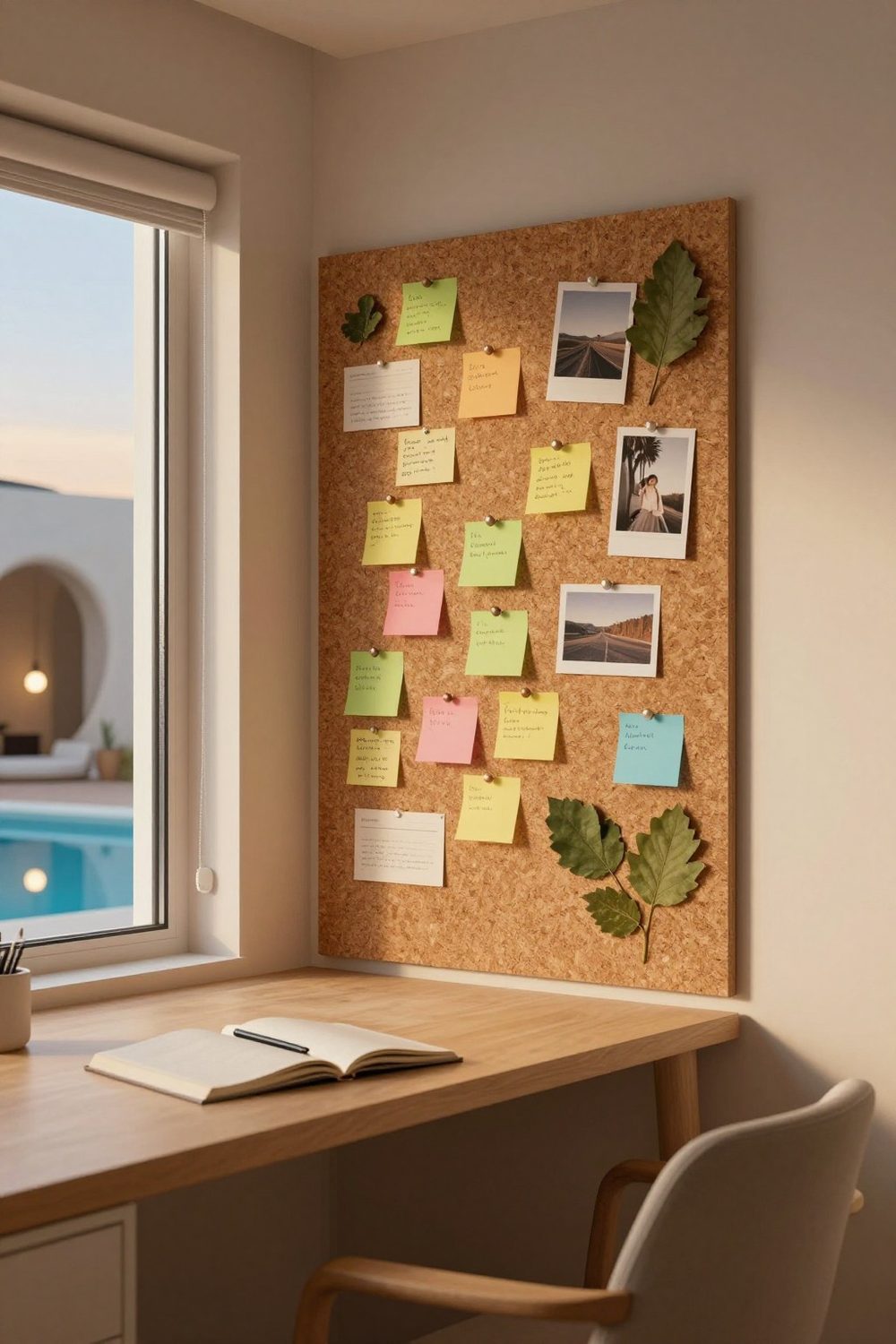
2. A DIY cork pinboard wall
Cork tiles stuck to the wall above the desk make a giant pinboard for schedules, notes and inspiration.
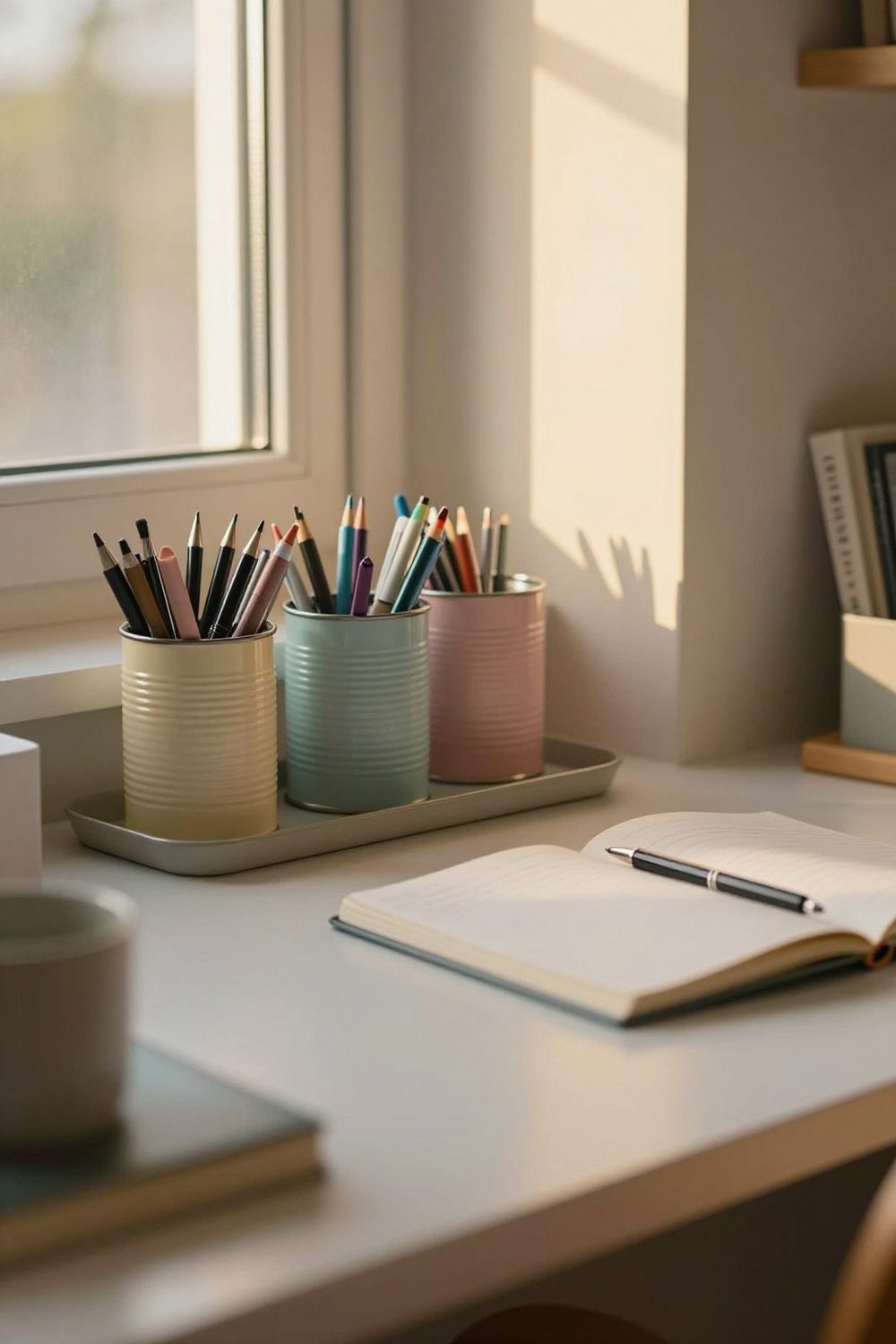
3. Painted tin can organizers
Clean tin cans, painted and grouped on a tray, hold pens, brushes and scissors. Sand or tape the rims first.
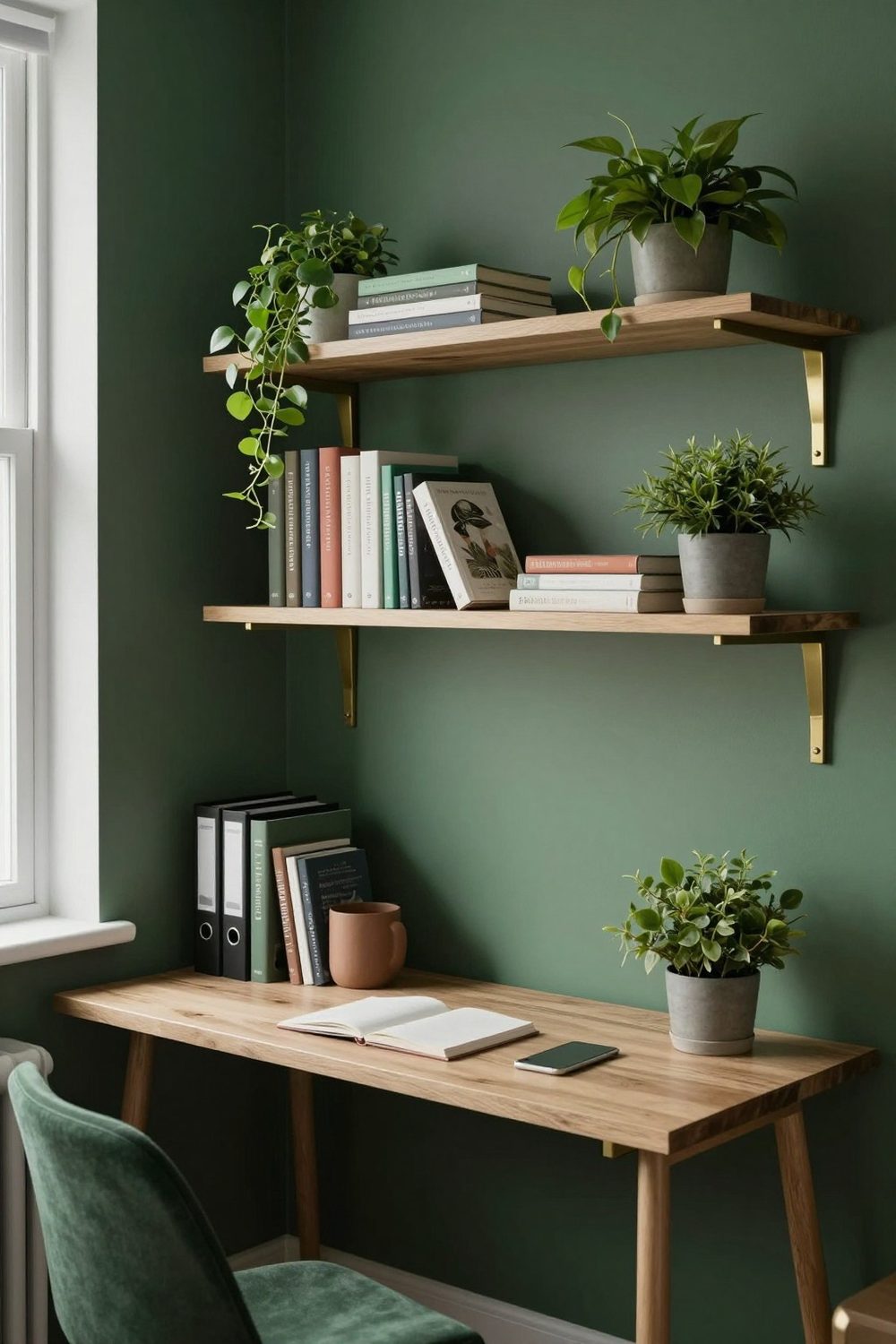
4. Floating shelves above the desk
Two shelves above the desk keep textbooks within reach and the desktop clear.
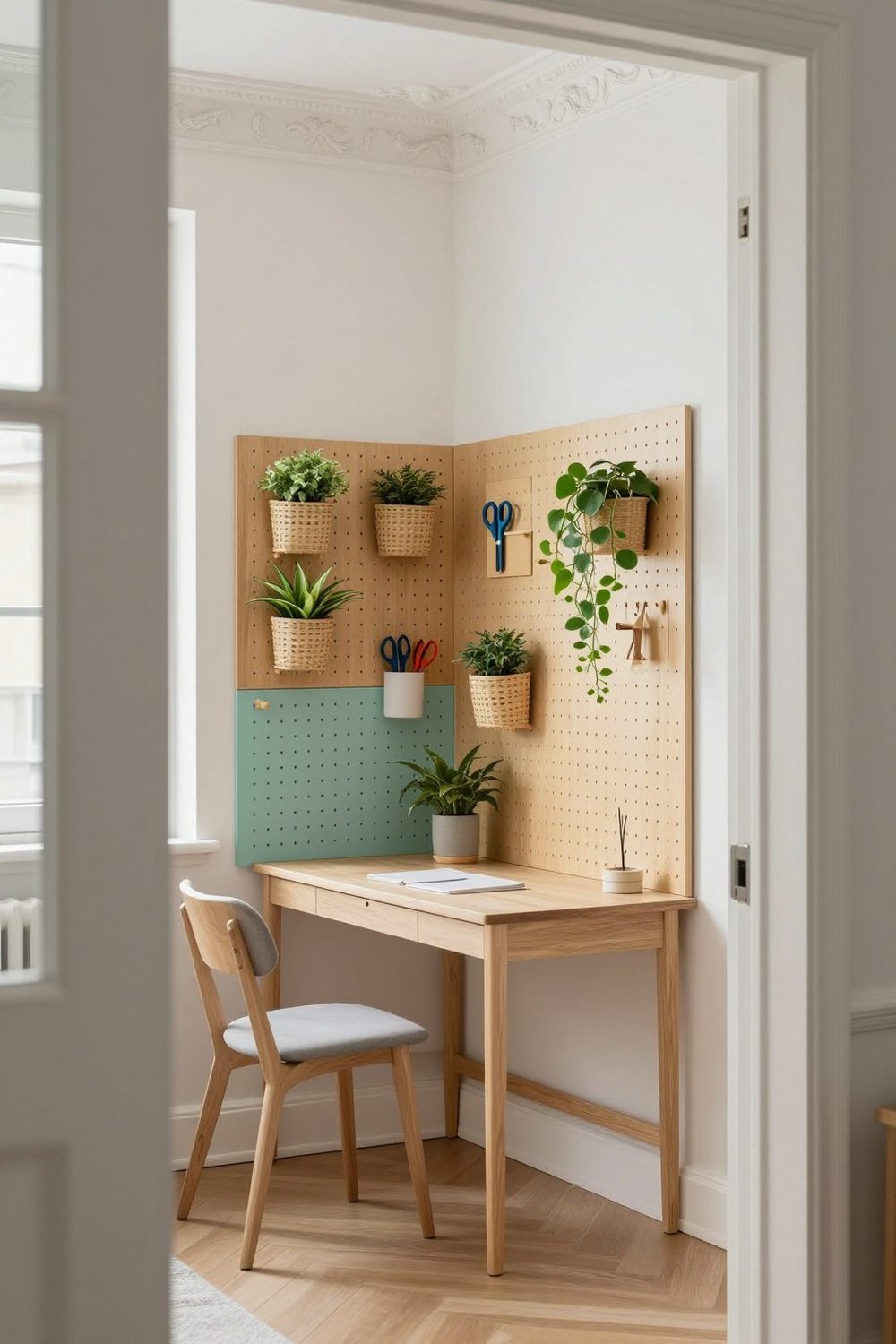
5. A painted pegboard
A pegboard painted in a favorite color holds supplies on hooks and small shelves, and can be rearranged every term.

6. A good desk lamp
An adjustable lamp with a warm-to-neutral LED bulb is the most important study accessory. Place it opposite your writing hand.
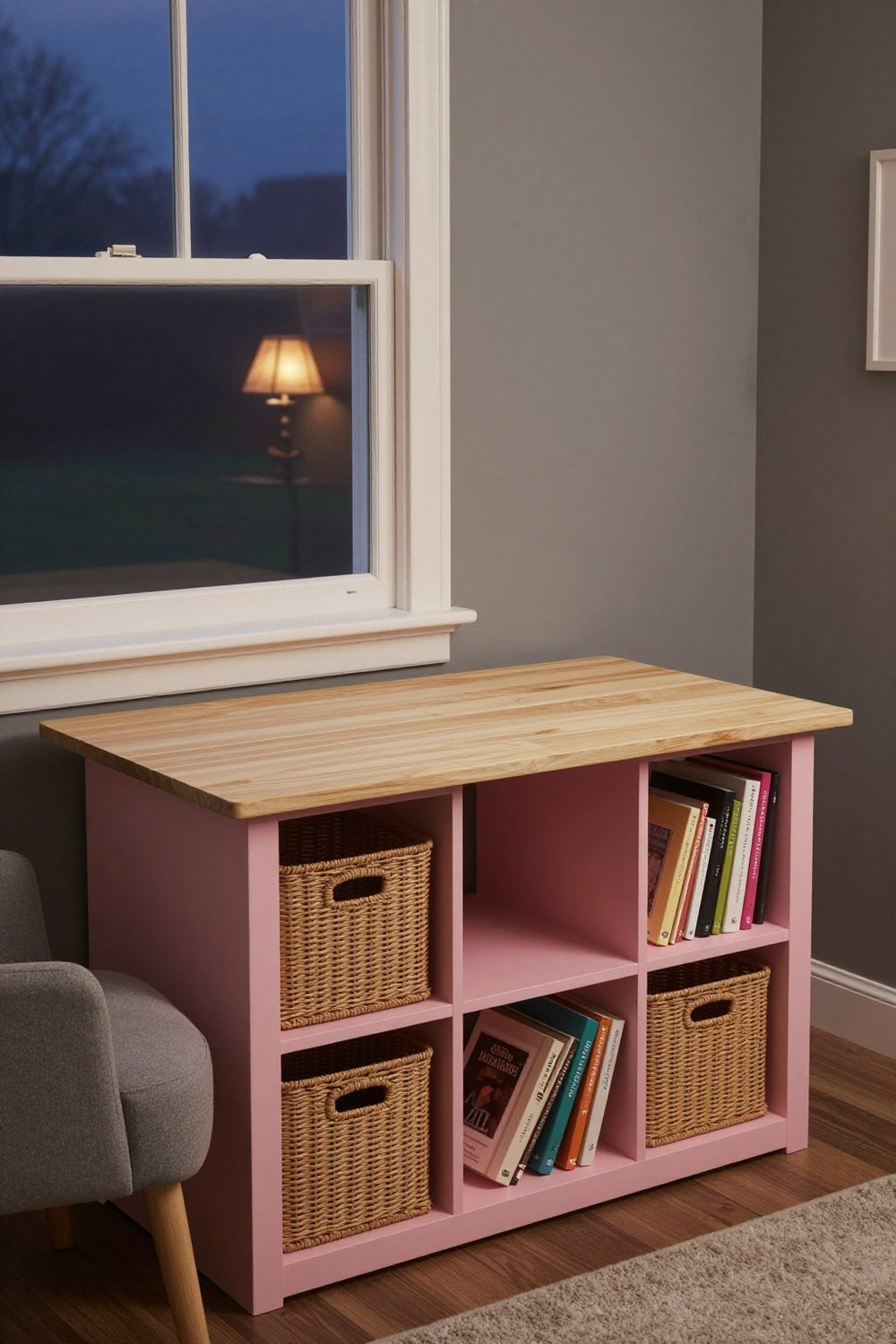
7. A DIY desk on storage cubes
A sanded wooden board on two cube shelves makes a sturdy desk with built-in storage. Check the height before you buy the board.
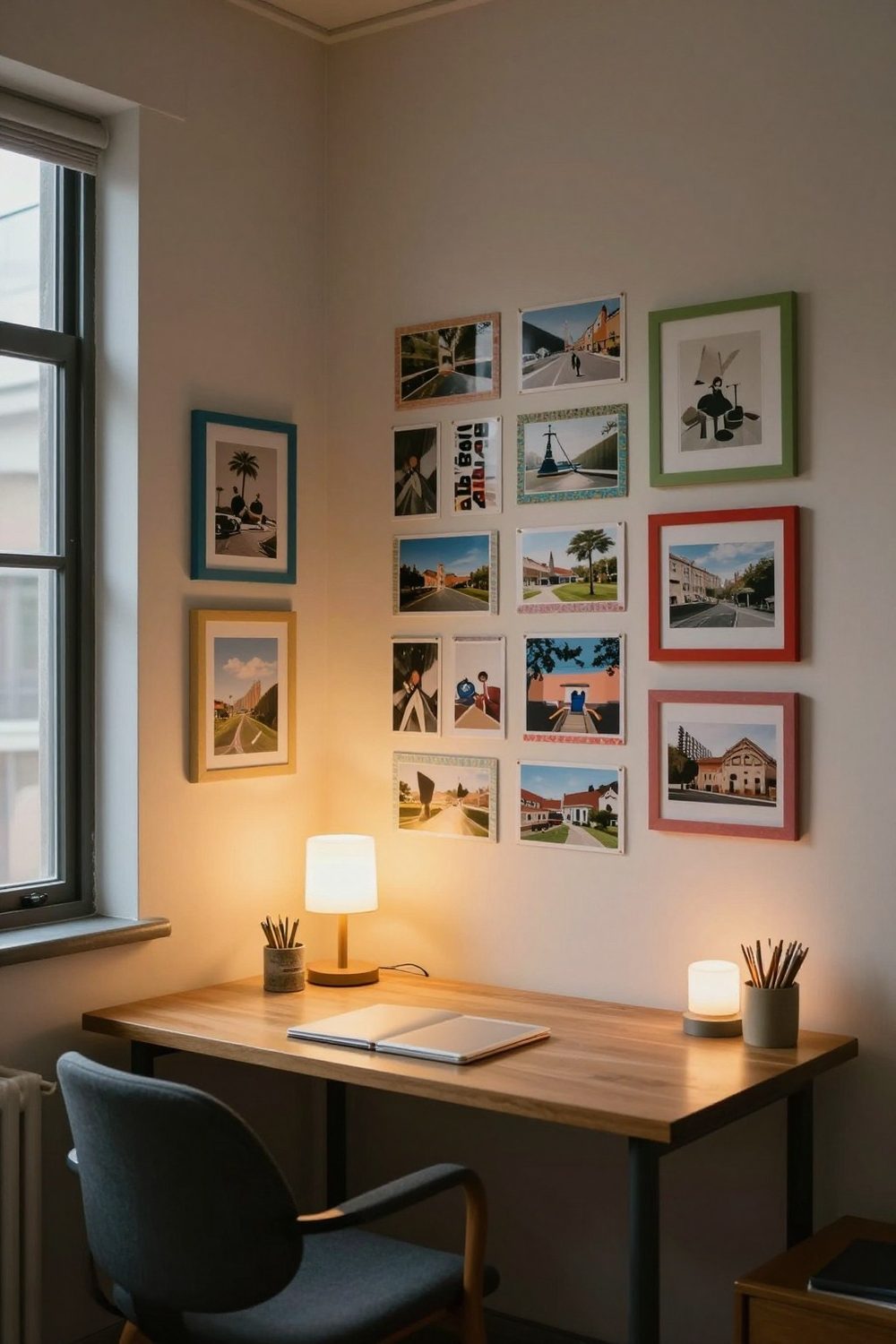
8. Washi tape gallery
Postcards and prints framed with washi tape decorate the wall without nails — ideal for dorms and rentals.
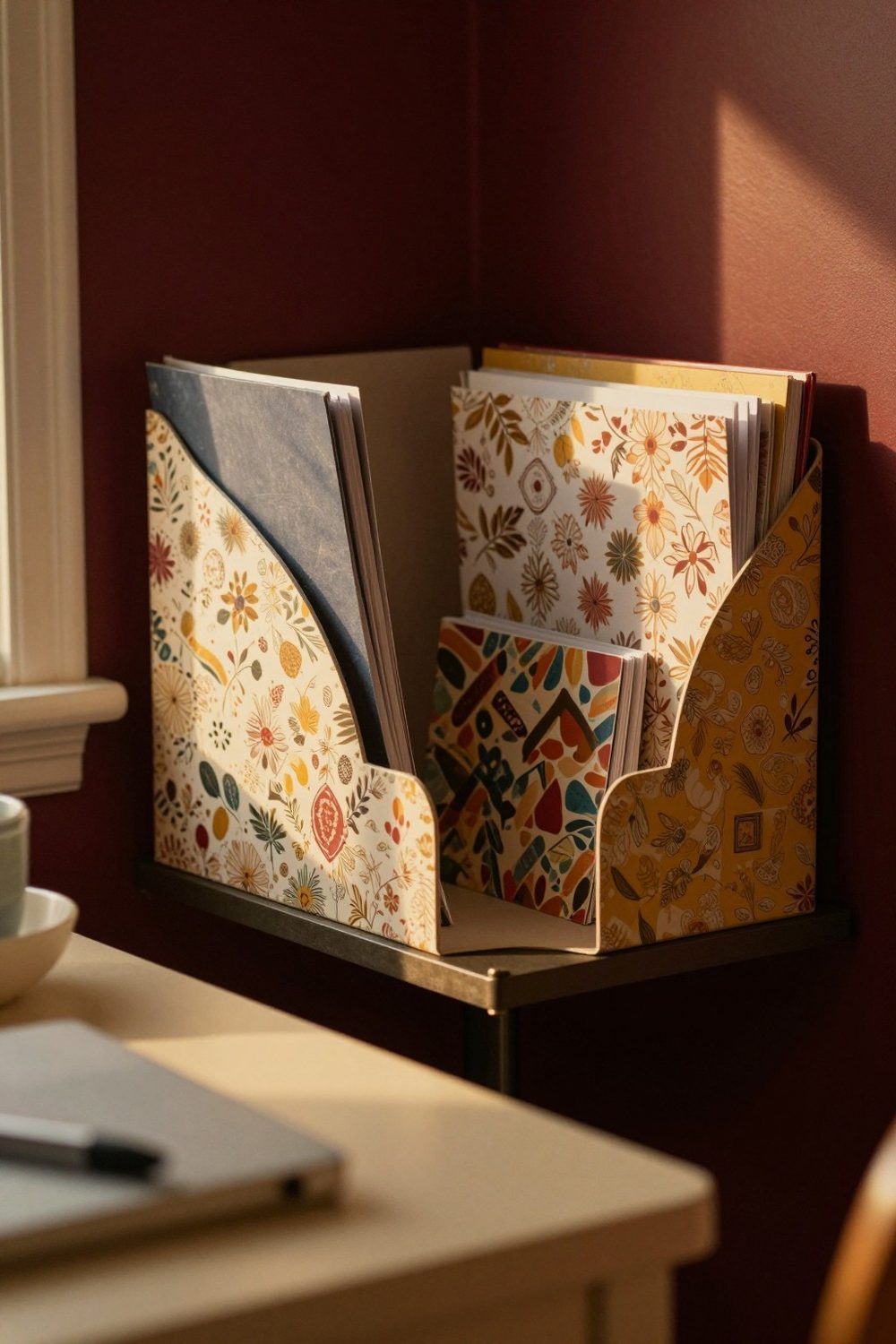
9. Covered magazine files
Cardboard magazine holders covered in patterned paper sort notebooks by subject and look coordinated.
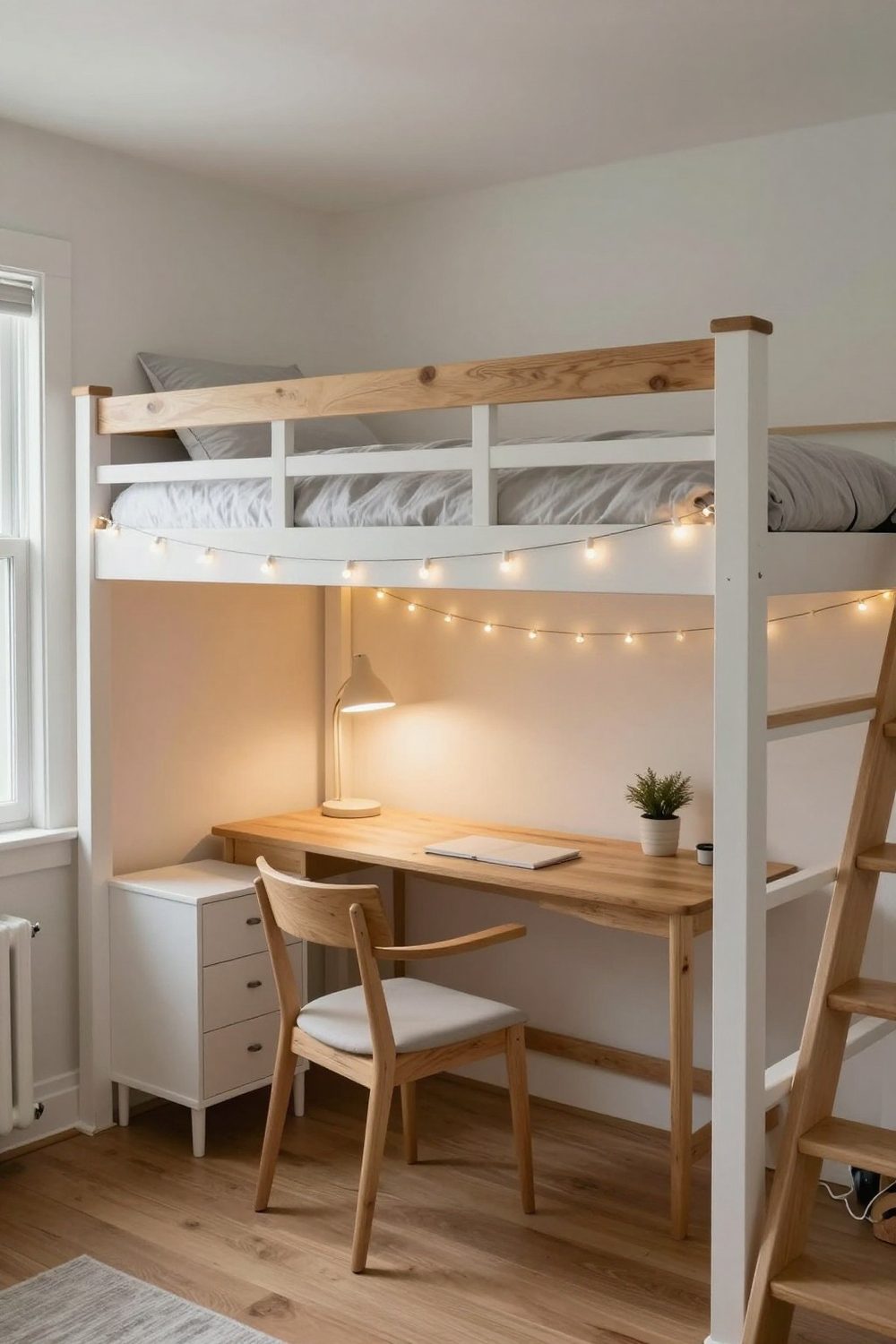
10. A study nook under a loft bed
Under a loft bed, a desk, a lamp and soft lights create a cozy study cave that saves floor space.
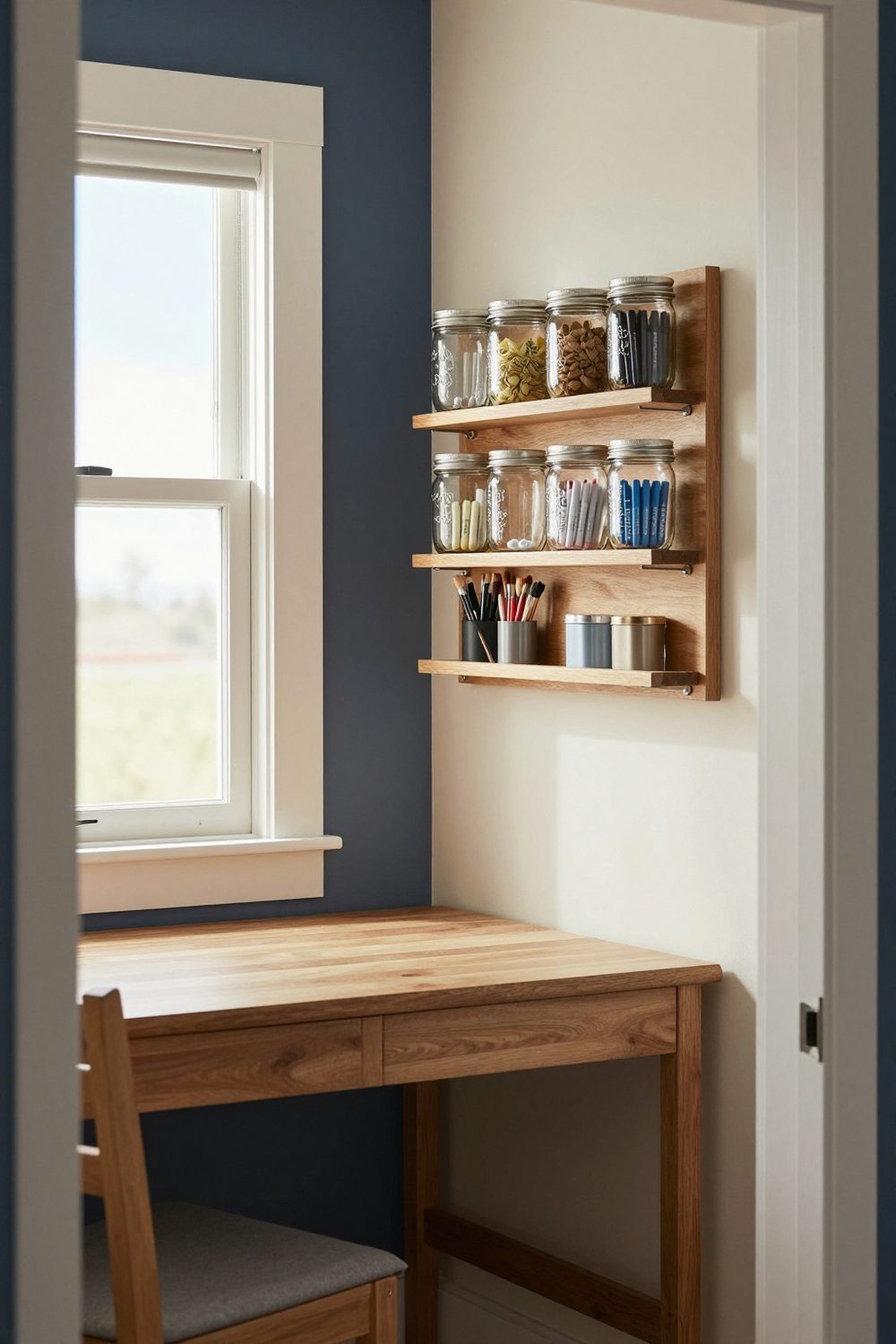
11. A mason jar wall organizer
Jars clamped to a board on the wall hold pens, markers and brushes and keep the desk empty.
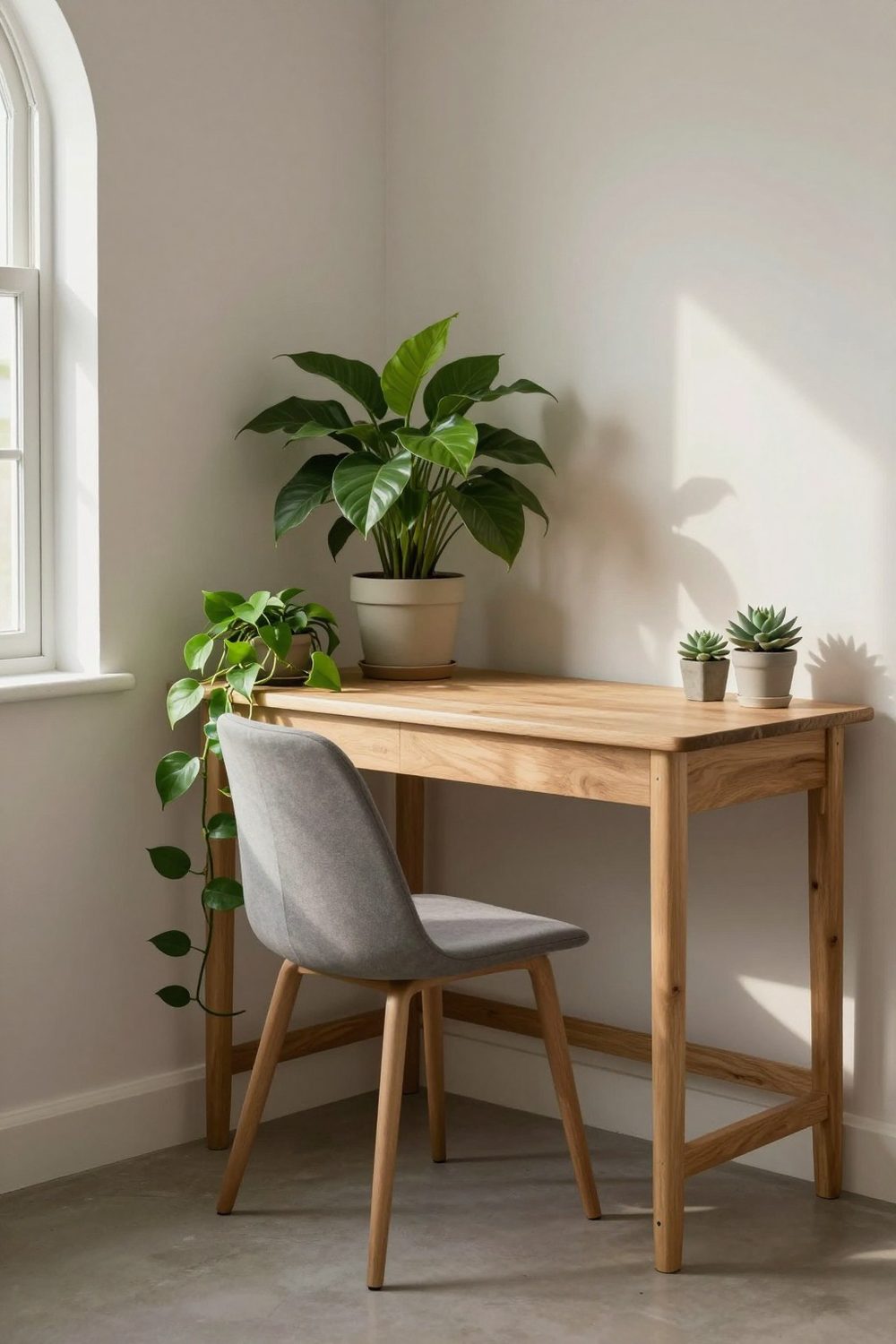
12. Add plants
A pothos or a few succulents make the study corner feel alive. Choose easy plants that forgive missed watering during exams.
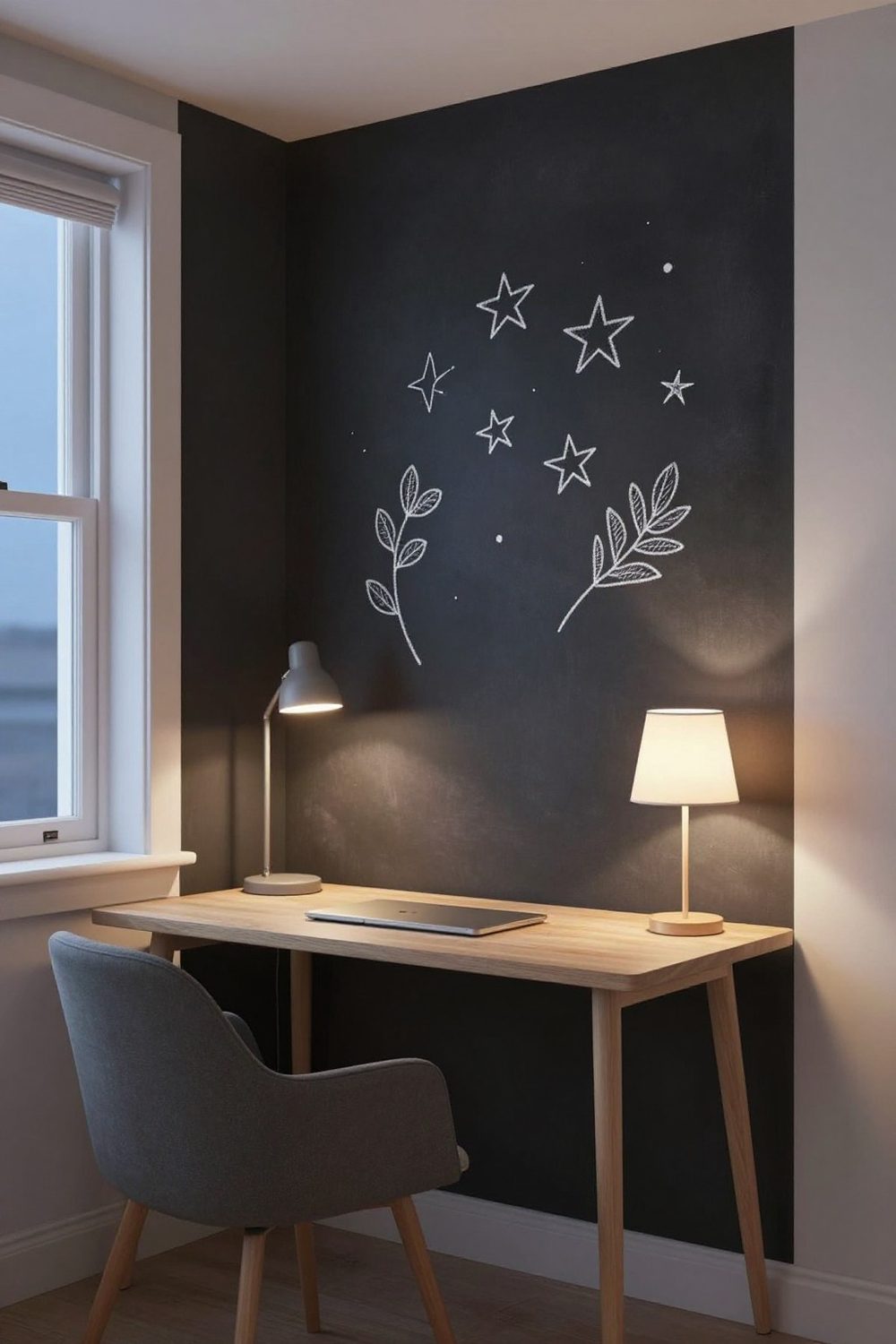
13. A chalkboard paint panel
A section of chalkboard paint beside the desk is a place to plan, solve problems and doodle.
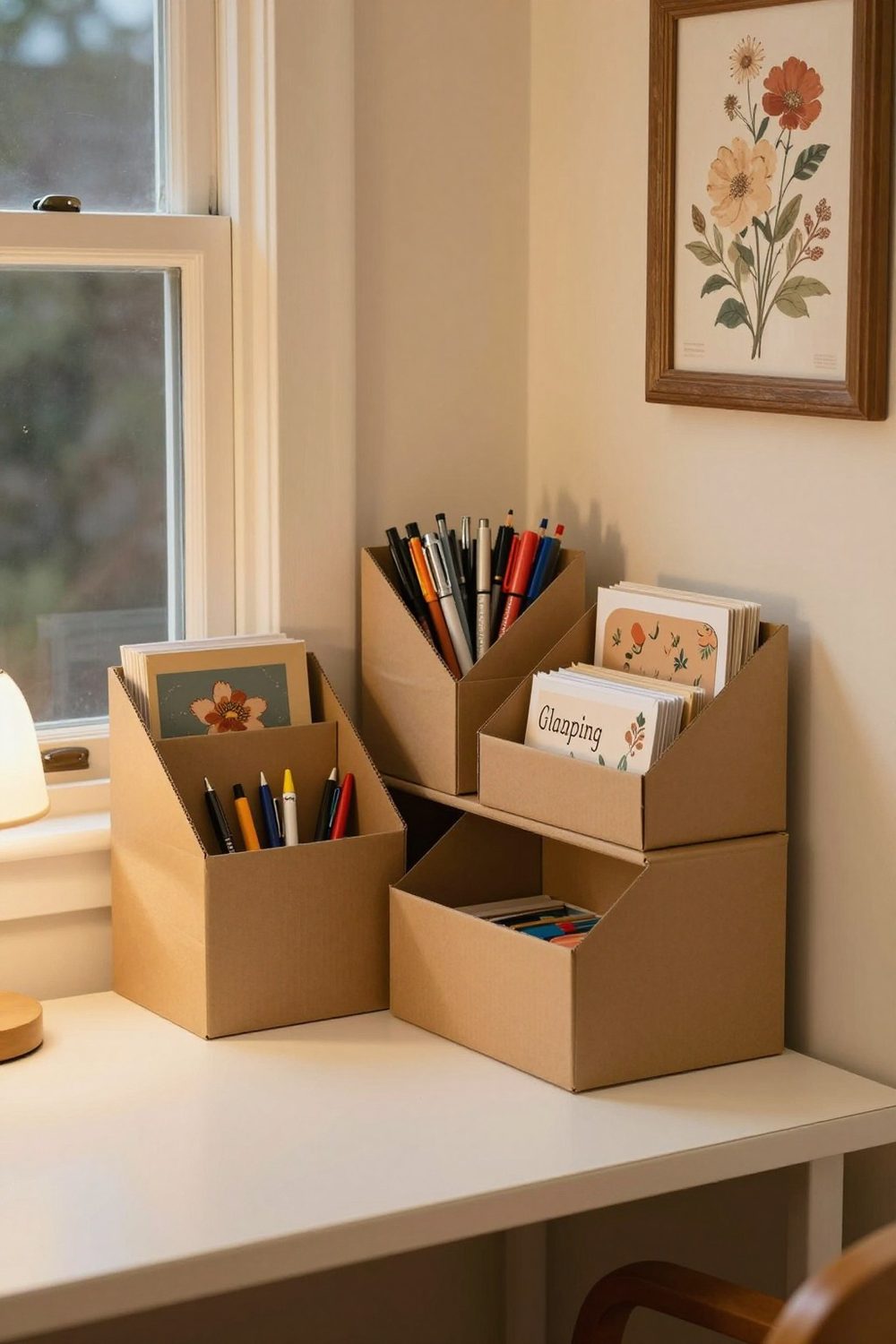
14. A cardboard desk organizer
Small boxes glued together and covered in kraft or patterned paper make a free, custom organizer.

15. A reading corner
A beanbag or armchair with a lamp gives a place to read away from the desk.
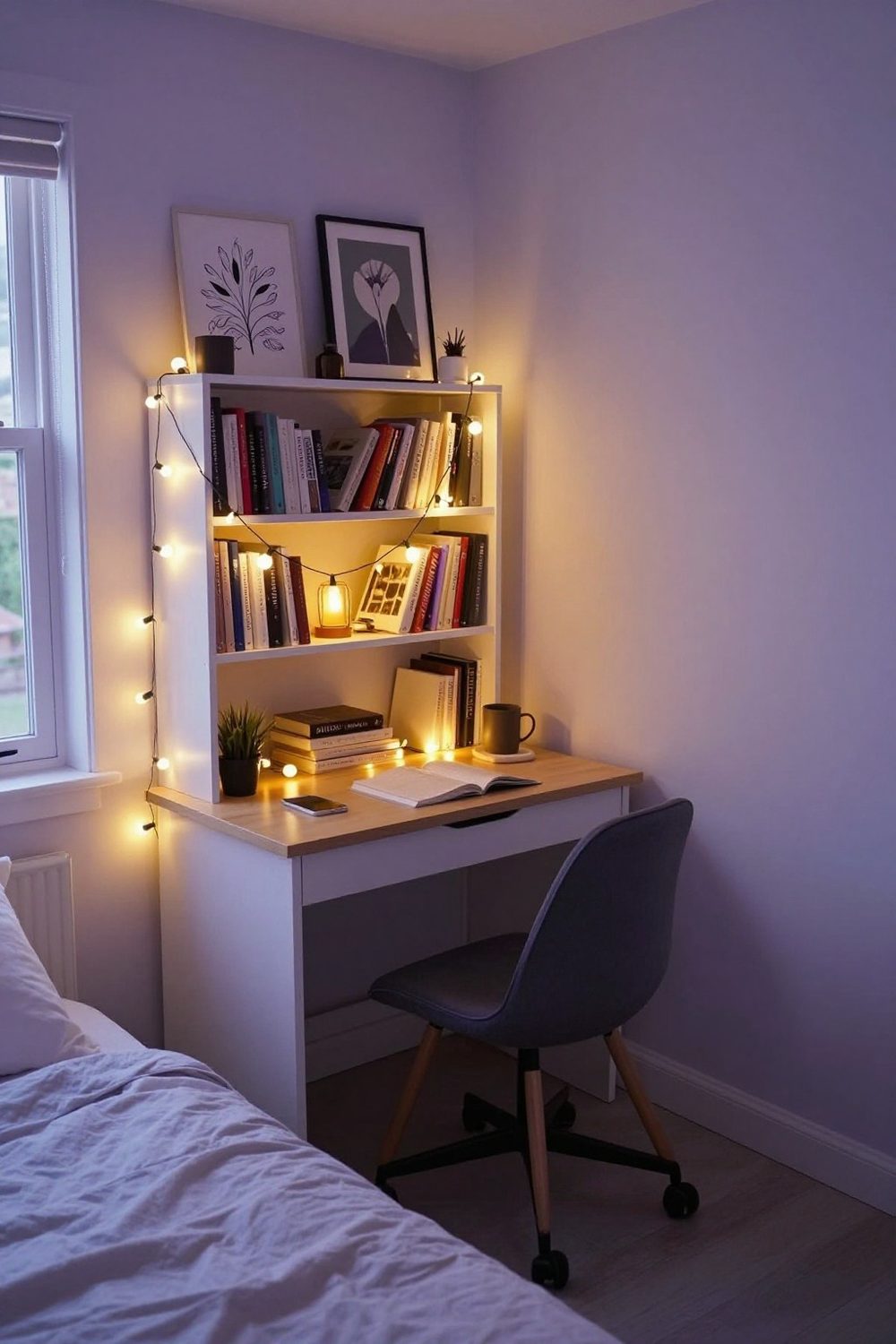
16. String lights for mood
Battery or LED string lights add a soft glow for evening study. They're mood light, not task light — keep the desk lamp.

17. Raise the laptop
A laptop stand or a stack of books brings the screen to eye level. Add a cheap external keyboard and mouse.
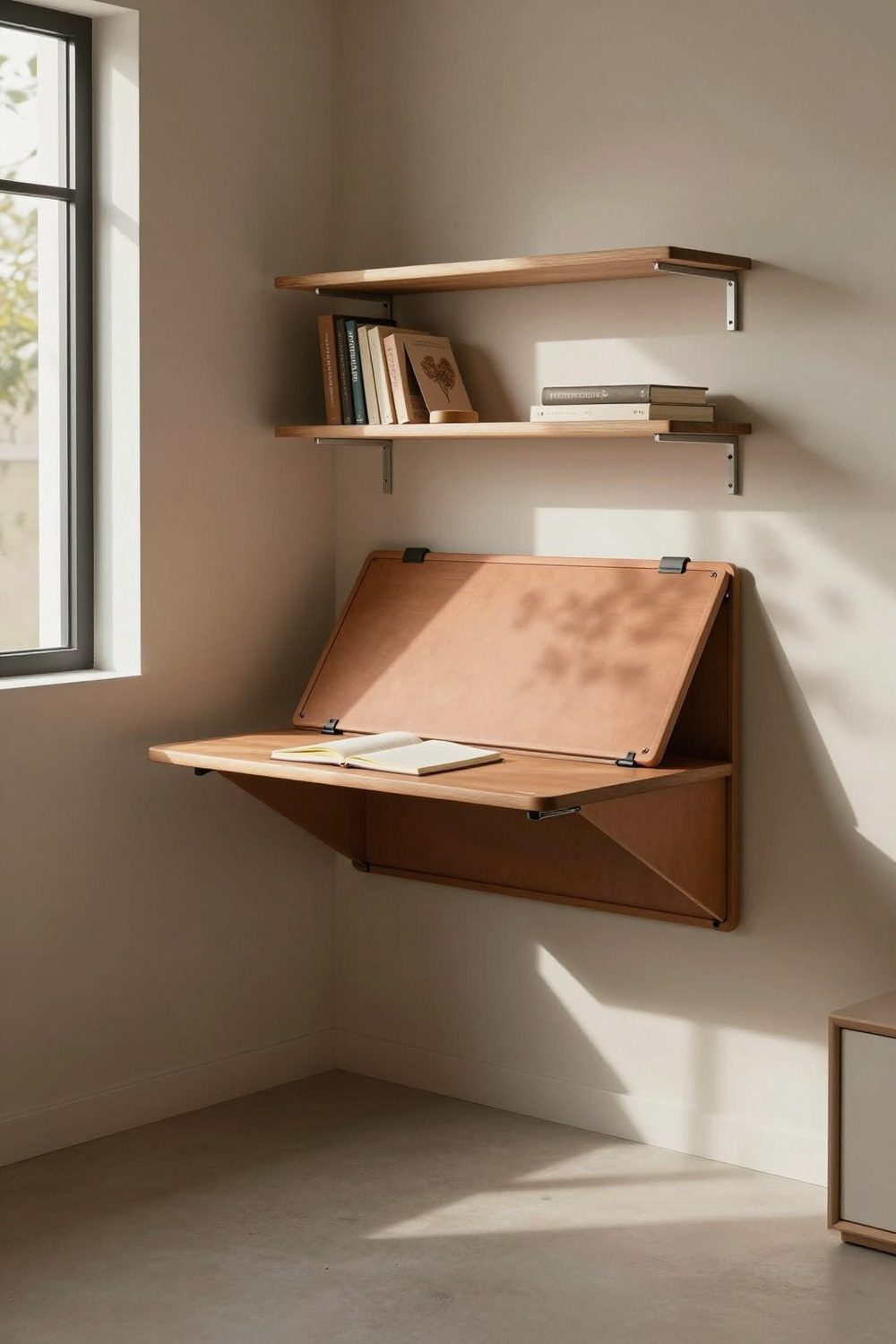
18. A fold-down wall desk
In a very small room, a wall-mounted desk folds away when study is over.
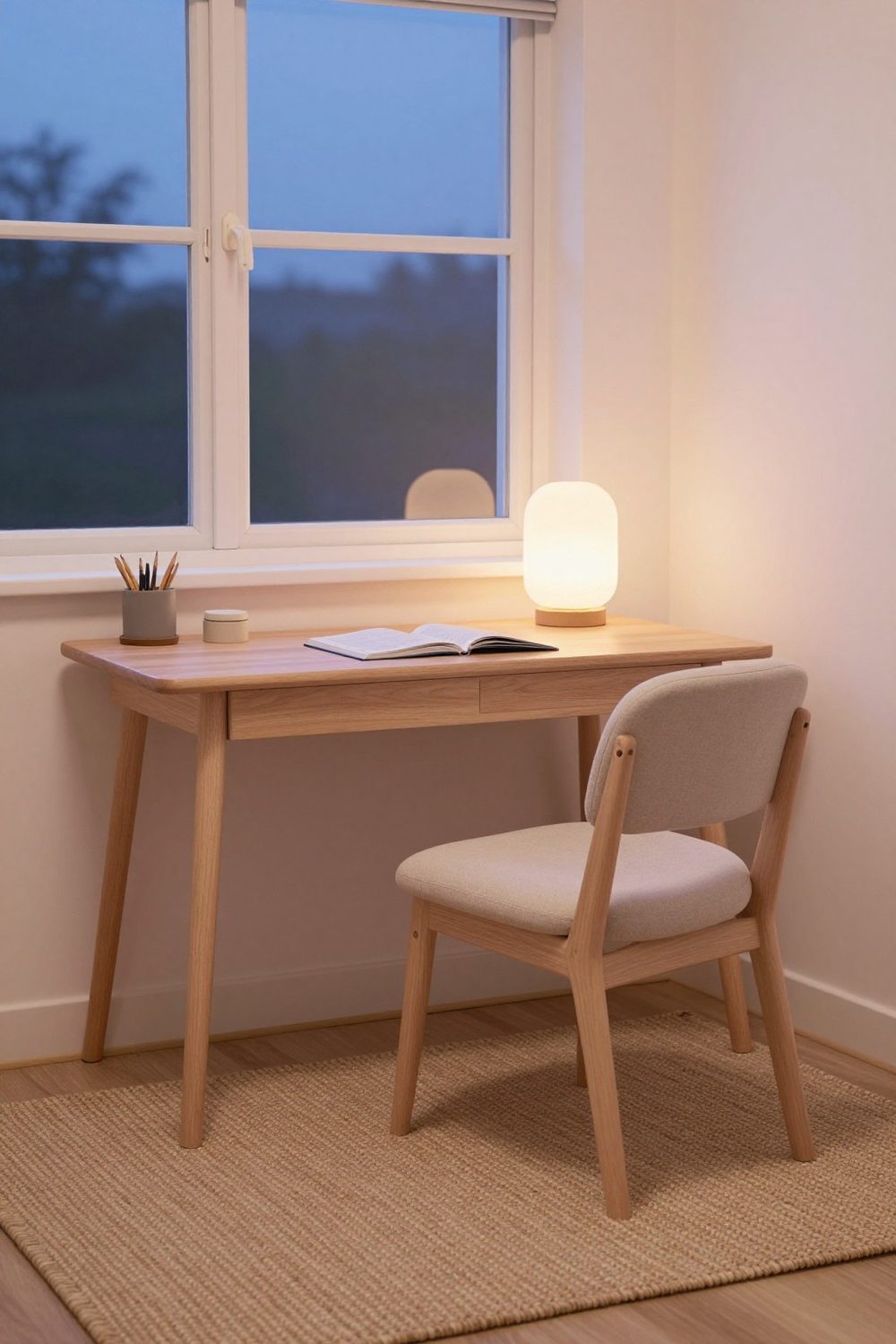
19. A rug and a cushion
A small rug under the desk and a cushion on the chair make long study sessions more comfortable.
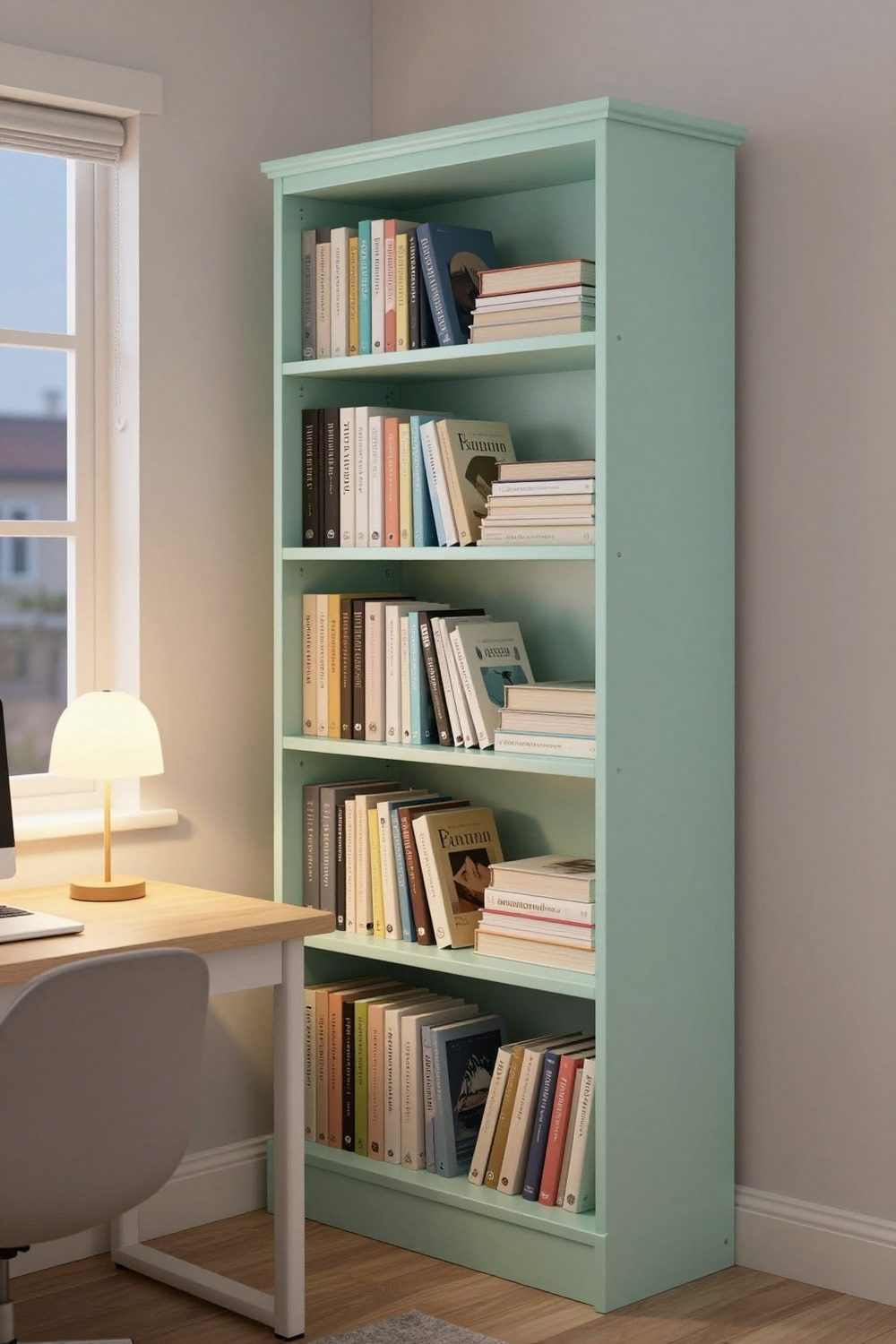
20. Paint an old bookshelf
A secondhand bookshelf in a fresh color becomes the study room's main piece. Anchor it to the wall.

21. Drawer dividers from boxes
Small boxes and lids divide a drawer into sections for clips, tape and erasers.

22. A painted arch
A painted arch behind the desk defines the study zone in a shared bedroom using leftover paint and tape.
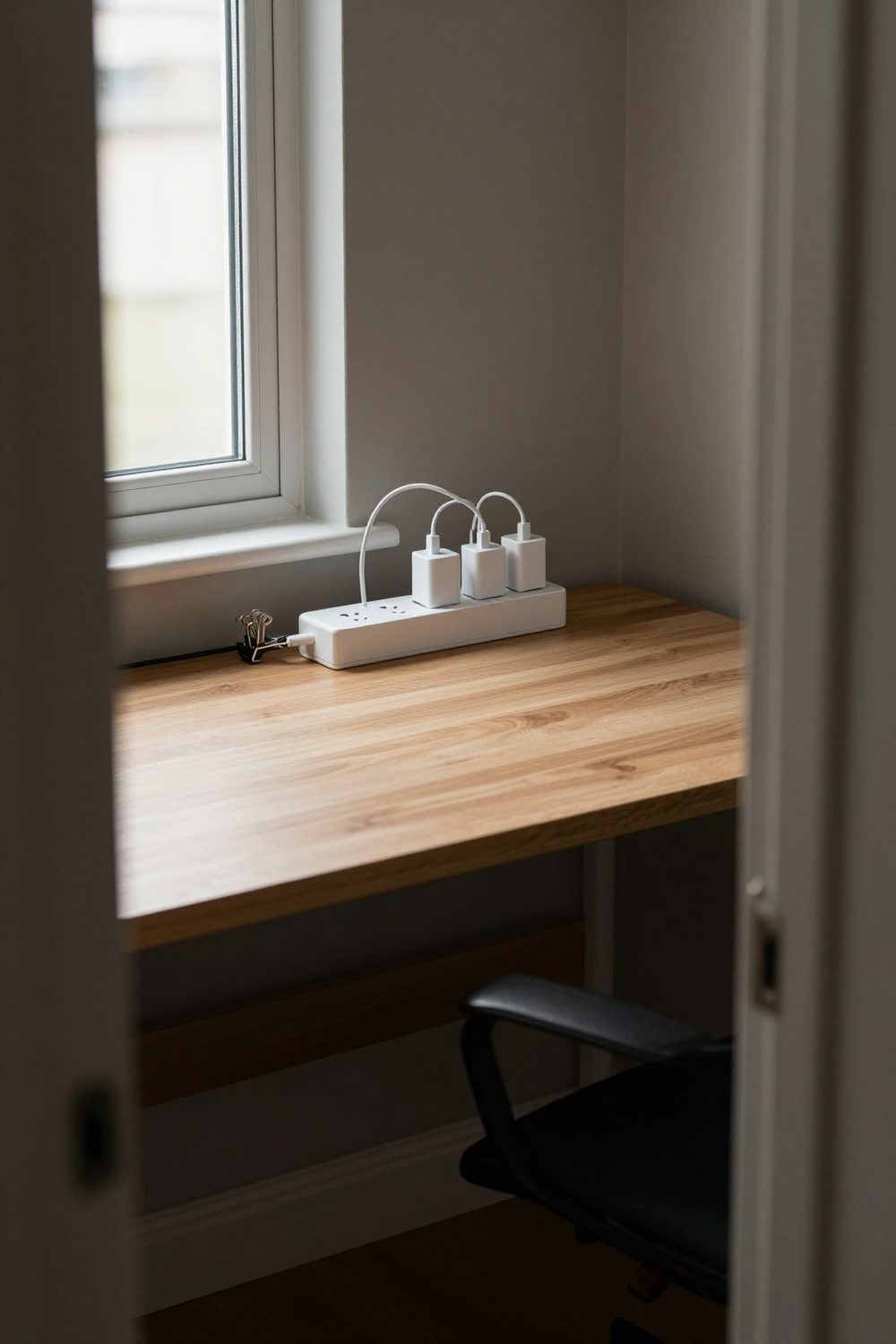
23. Tame the cables
A cable box for the power strip and a few clips under the desk keep chargers tidy and cords off the floor.
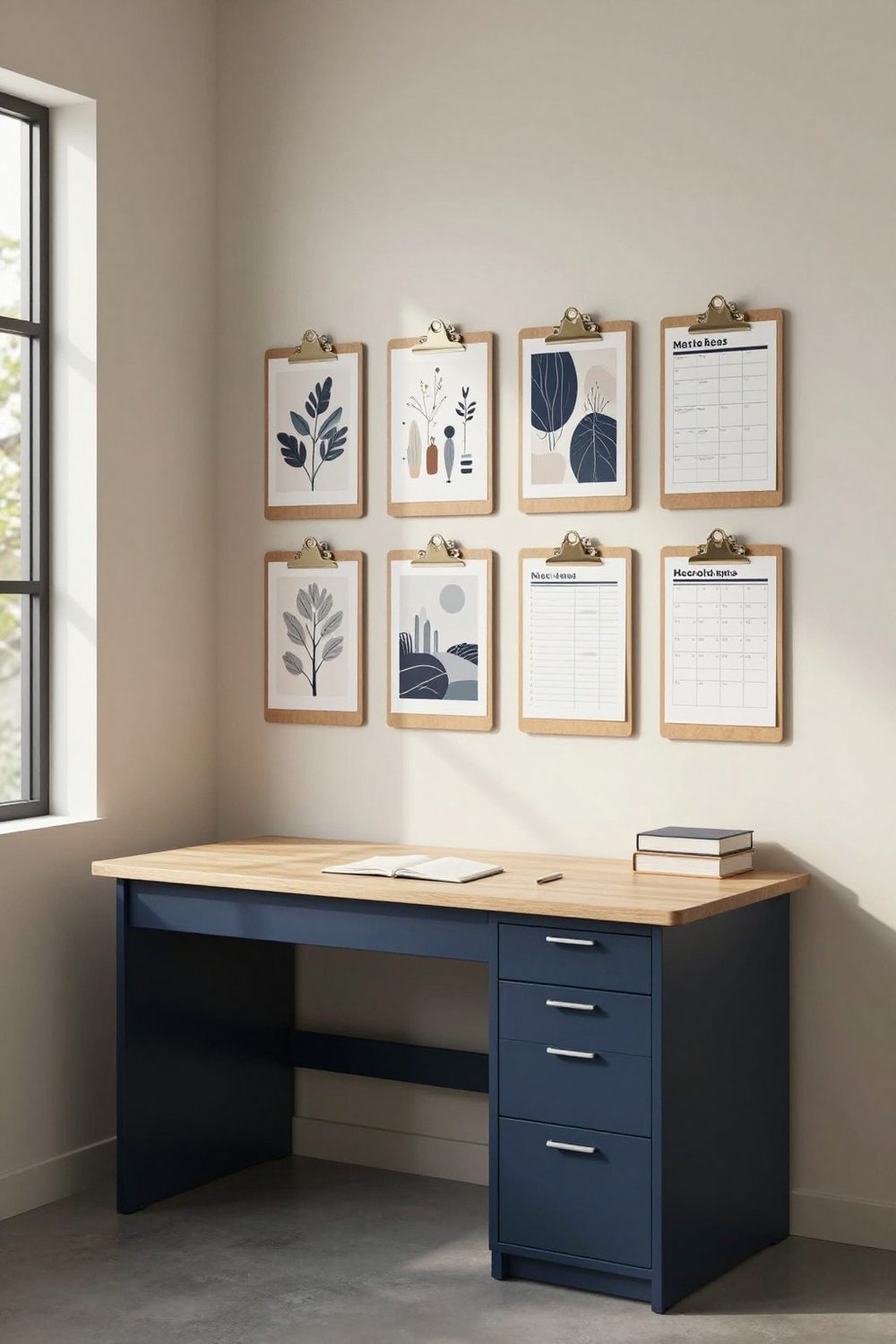
24. A clipboard wall
A row of clipboards on the wall holds art, schedules and current assignments — swap them in seconds.
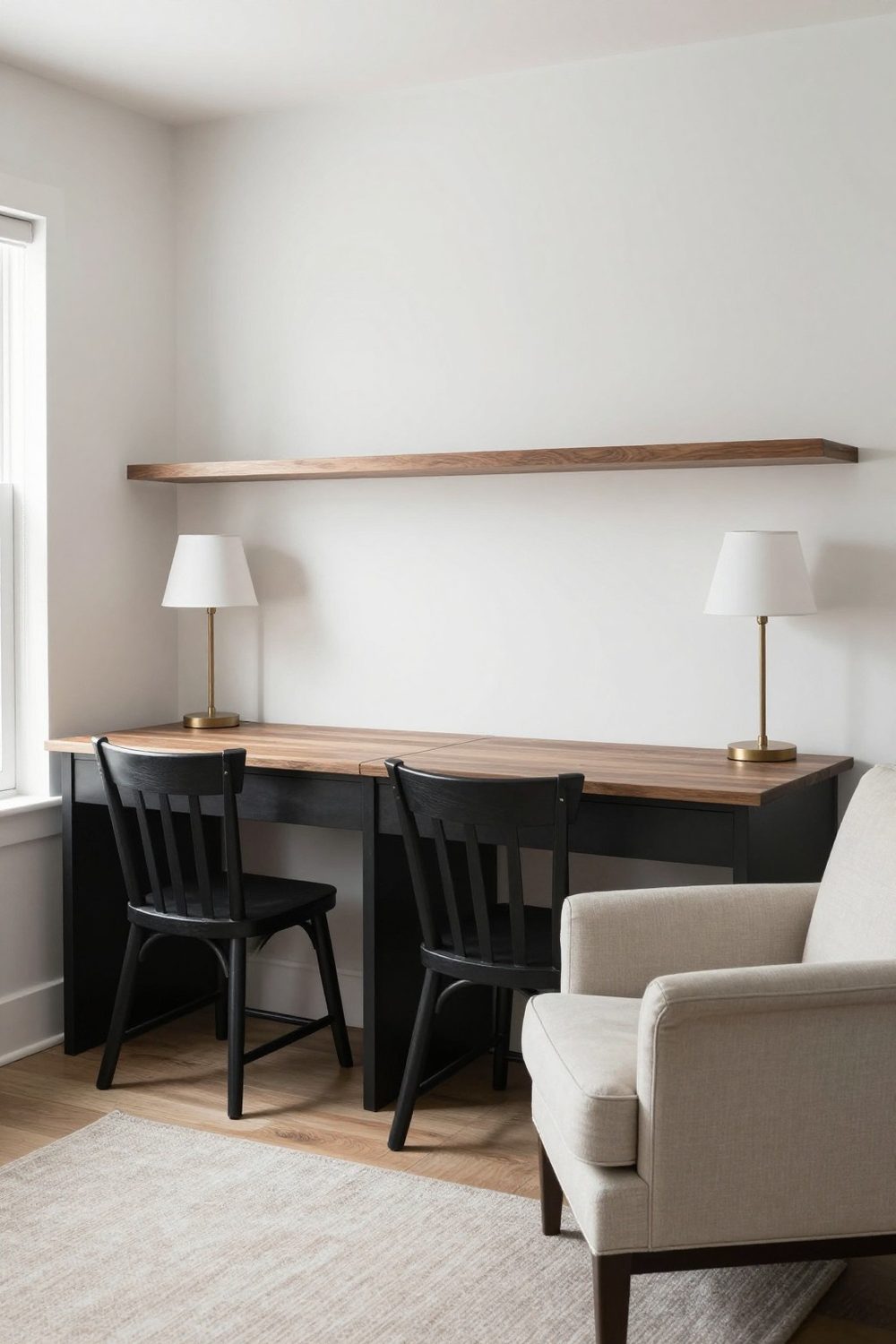
25. A shared desk for siblings
One long desktop with two chairs and a shared shelf above works for siblings — give each a lamp and a drawer.
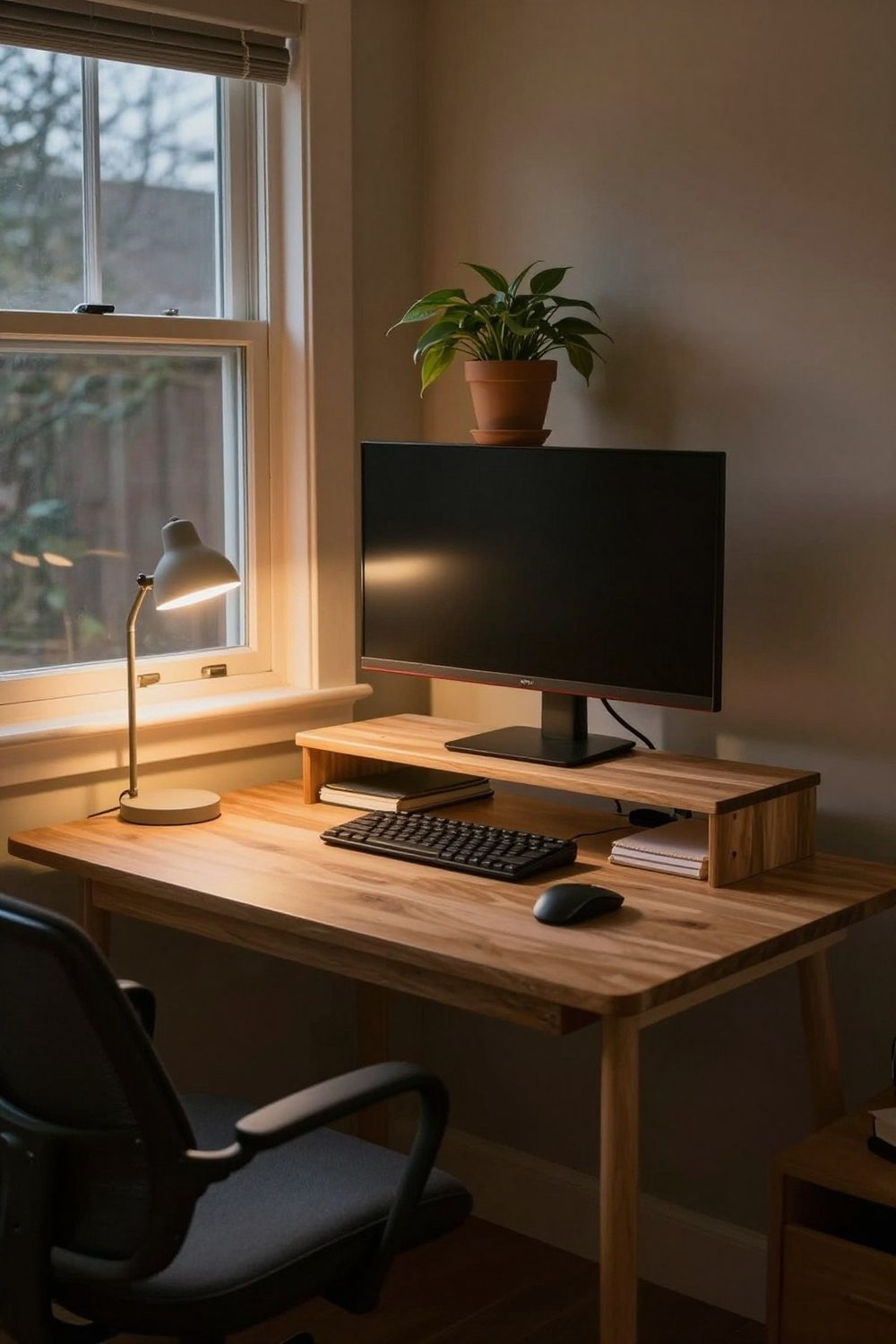
26. A wooden monitor riser
A simple wooden riser lifts the screen and creates a slot underneath for notebooks.

27. A vision board
A board of images, colors and pressed flowers for goals and dreams makes the desk personal.
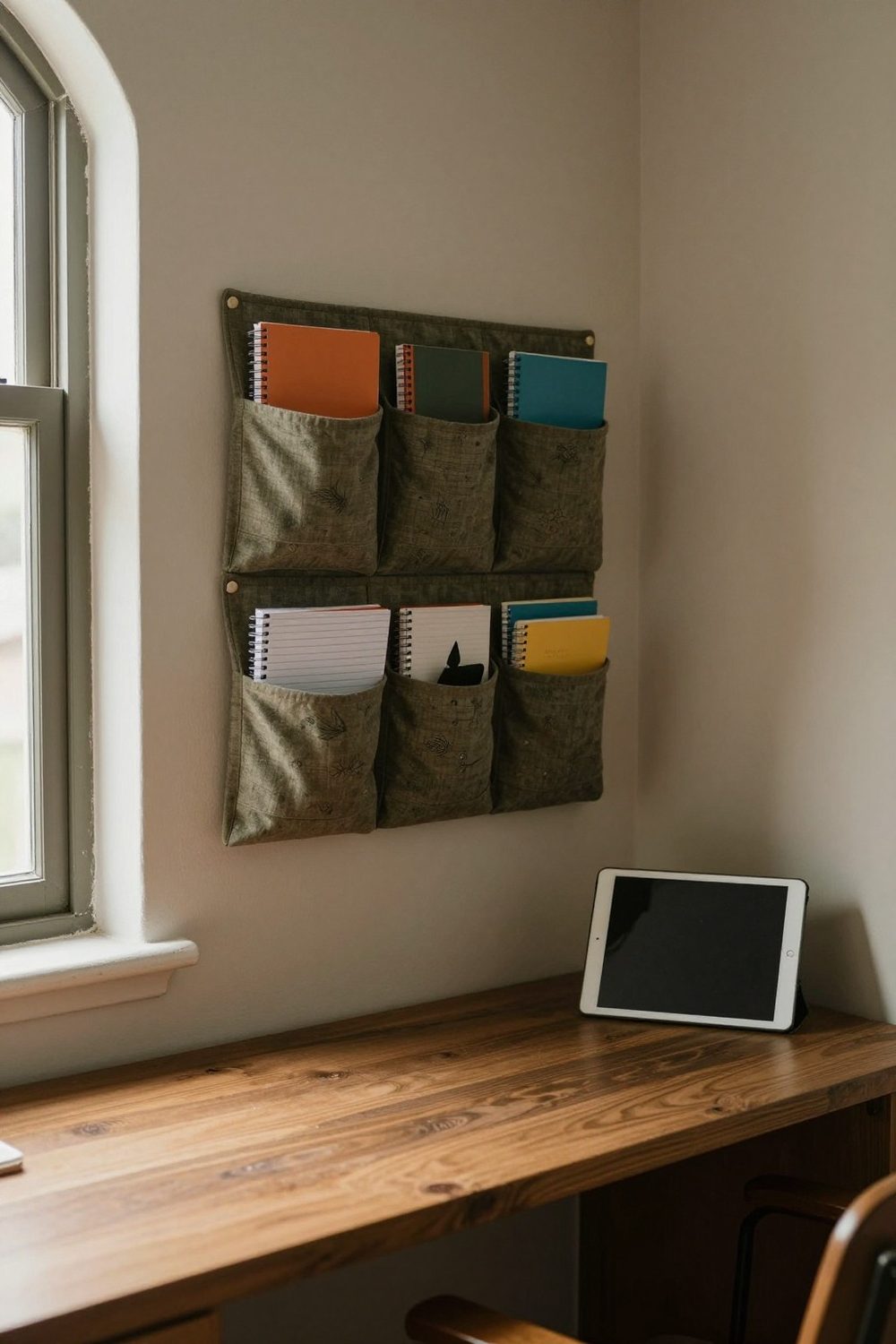
28. Fabric wall pockets
Sewn or no-sew fabric pockets on the wall hold notebooks and tablets right beside the desk.

29. Minimal for focus
If clutter distracts you, keep the desk nearly empty: a lamp, today's notebook, one plant.
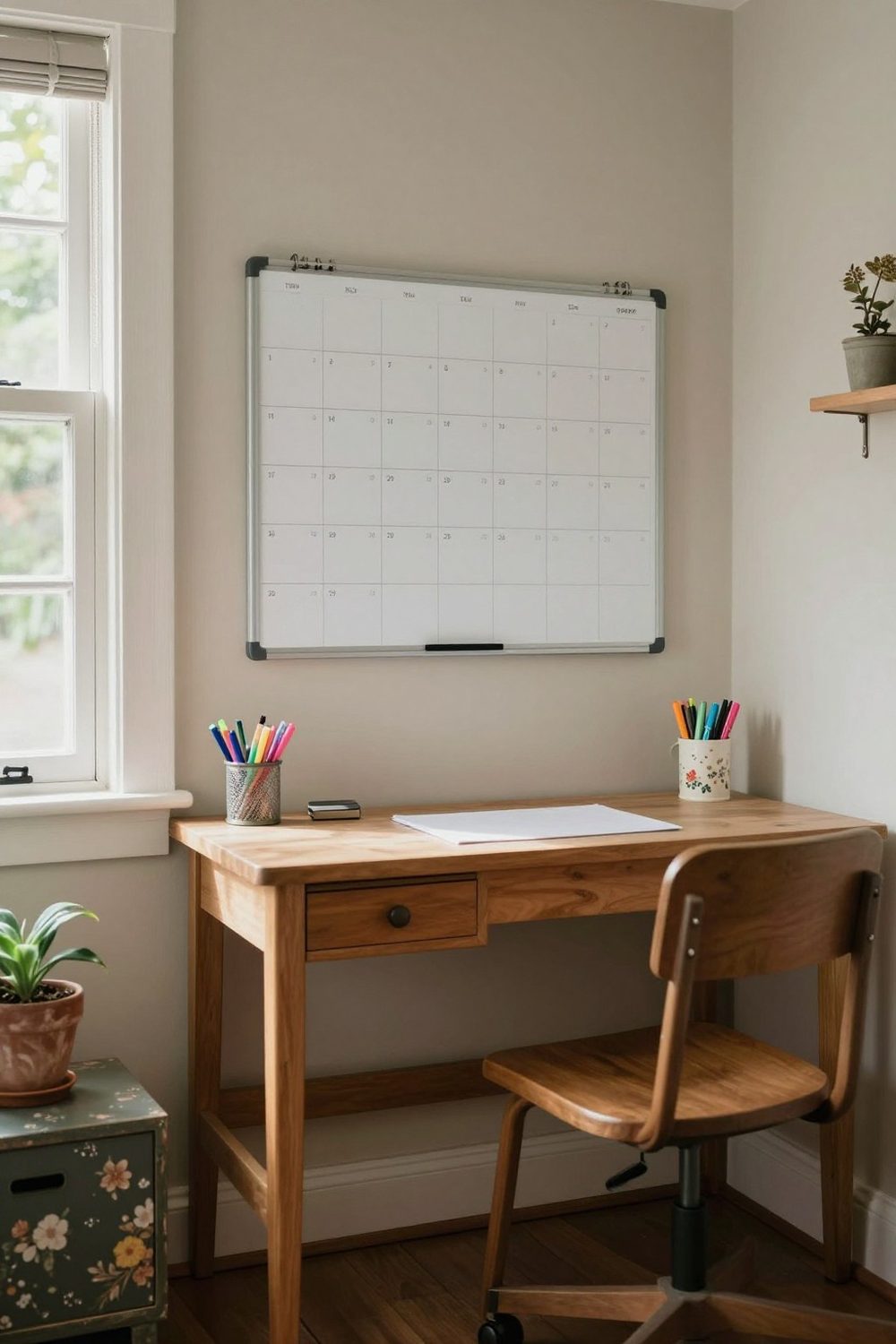
30. A whiteboard planner
A small whiteboard calendar on the wall keeps deadlines visible. Color-code subjects.
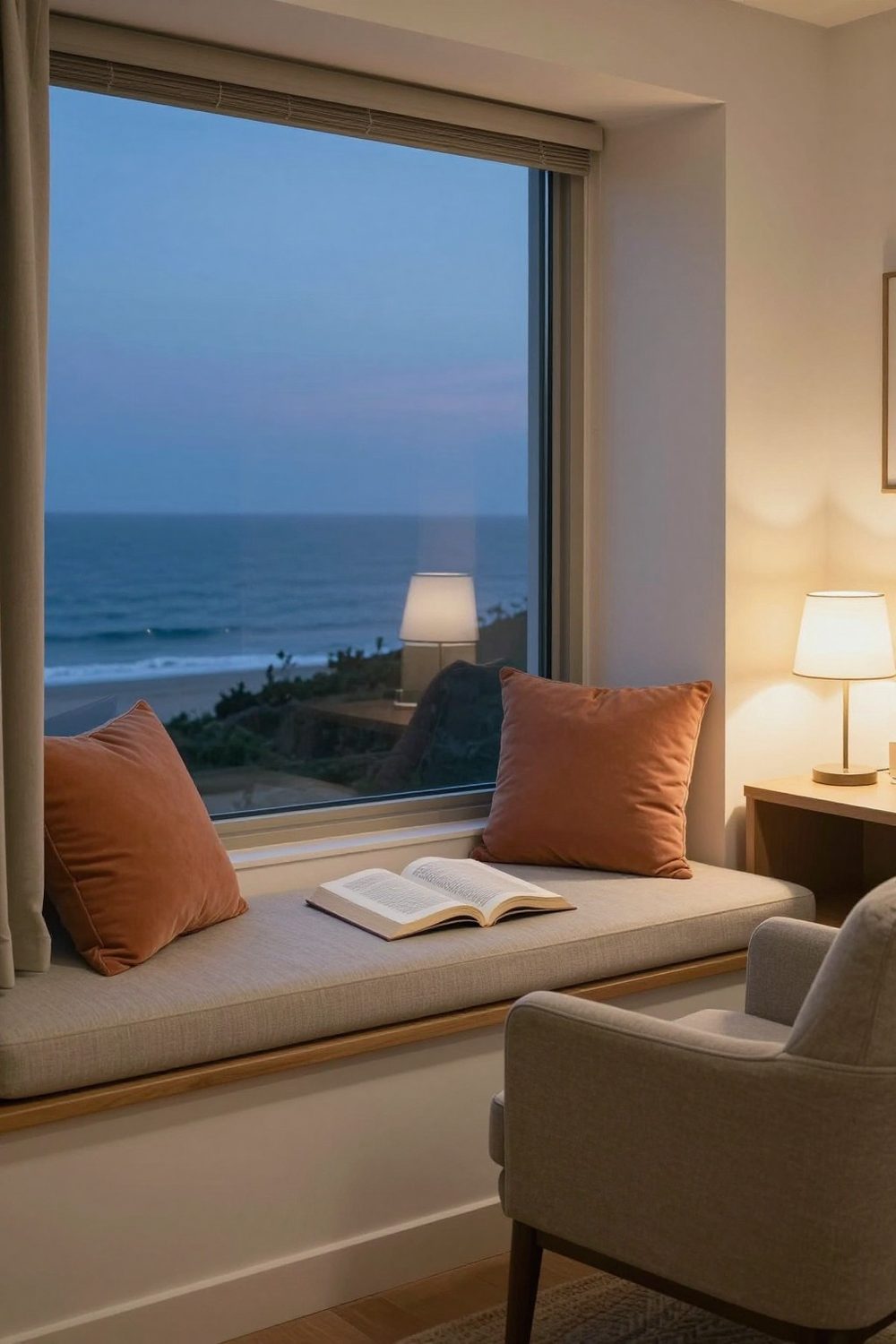
31. A window seat
Cushions on a deep windowsill or a bench under the window make a bright reading spot.
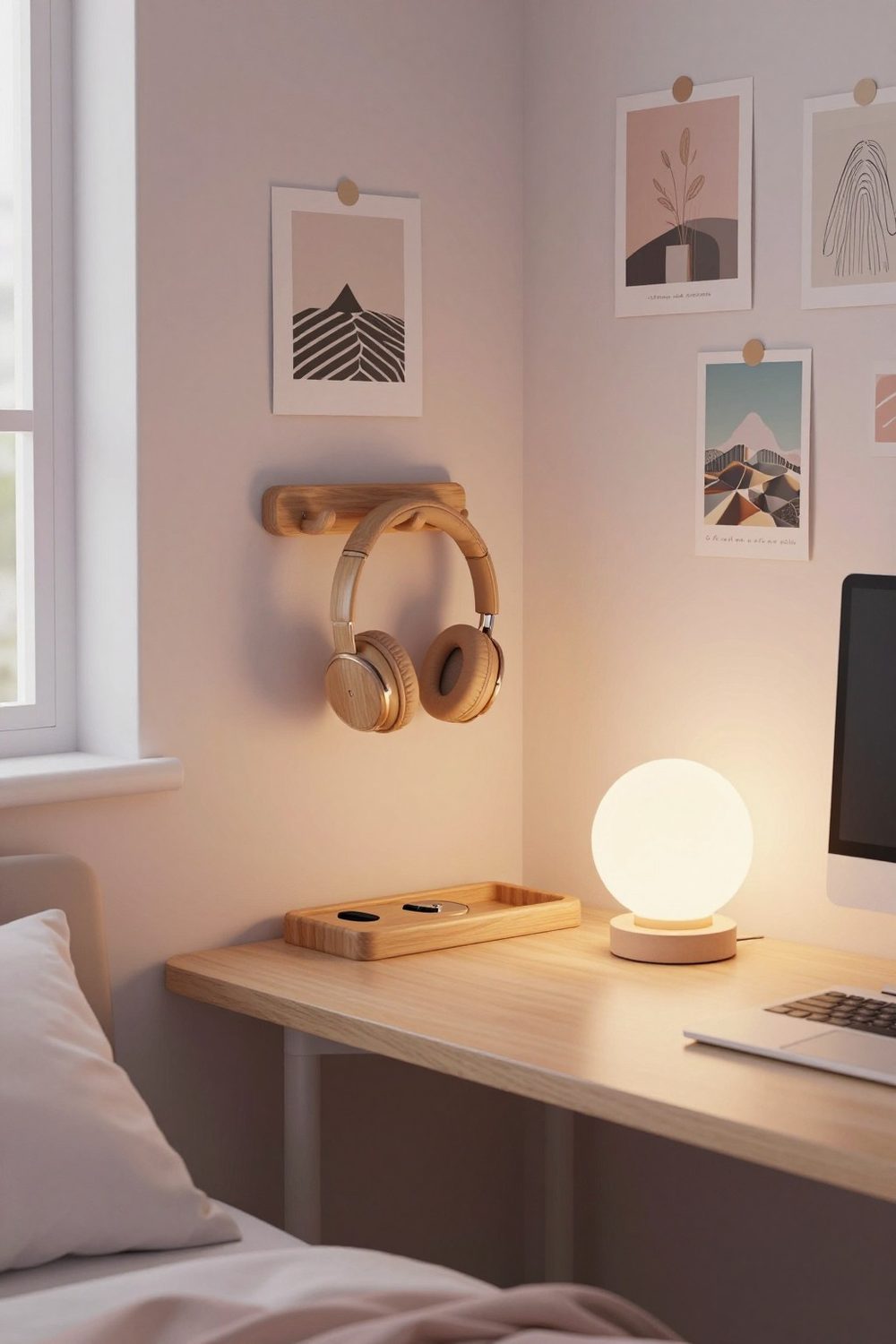
32. A headphone hook
A hook screwed to the side of the desk keeps headphones off the desktop and cables untangled.
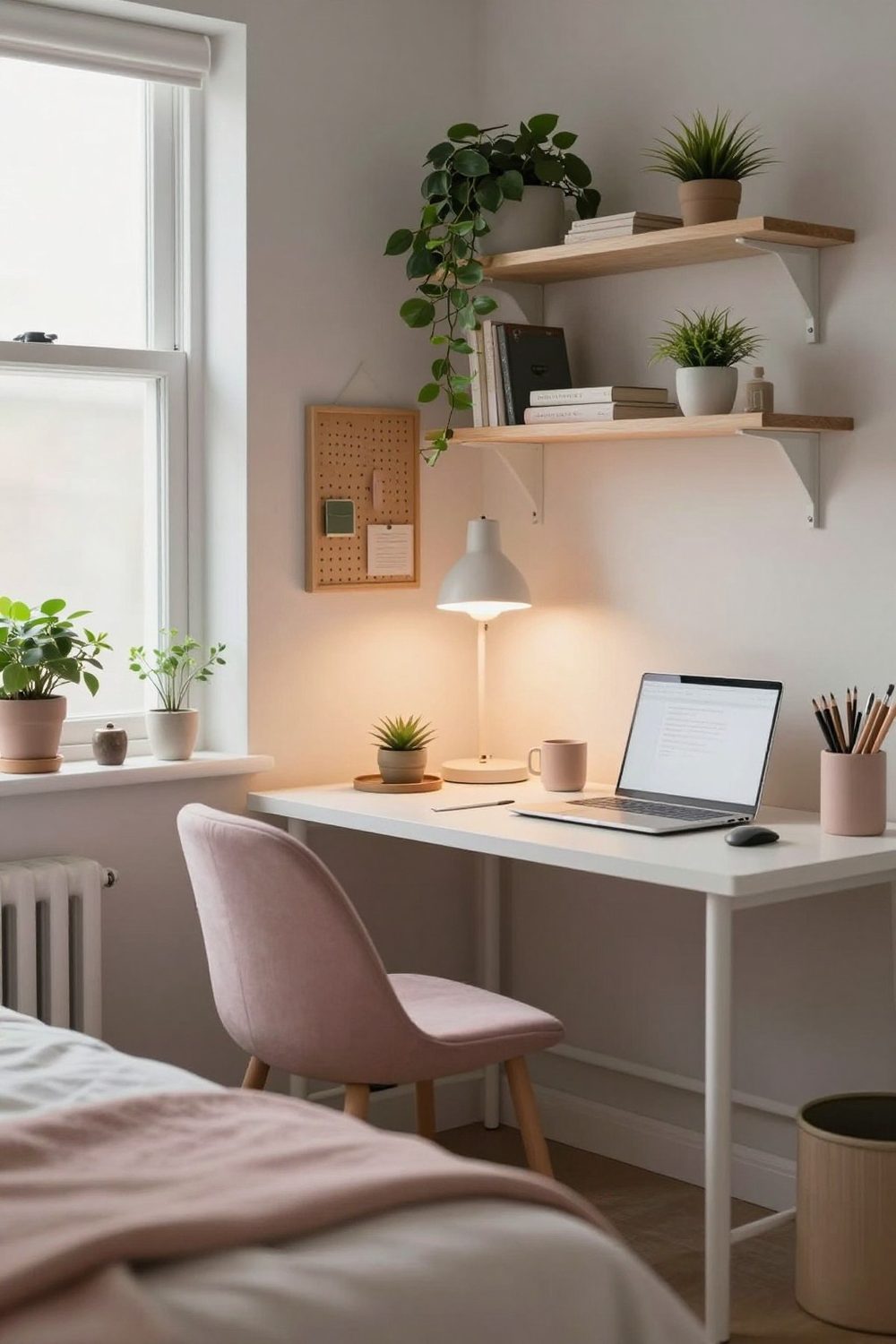
33. Put it all together
A desk by the window, a good lamp, shelves above, a pinboard and a plant — the whole study room in five pieces.
How to set up a study room, step by step
- Place the desk beside a window.
- Set the heights — desk, chair, screen.
- Add task light on the side opposite the writing hand.
- Build storage — shelves above, organizers on the desk, anchored bookcases.
- Make it personal — pinboard, plants, color.
Common study room mistakes
- The desk facing a wall with no daylight.
- Only overhead light — or a lamp that shadows the page.
- A laptop flat on the desk for hours.
- Unanchored bookshelves.
- Too much on the desk.
Final thought
The best study room is simple: the right heights, good light, a home for every book and cable, and a few things you made yourself. Get those right, and studying becomes something you can actually settle into.

Sources & principles referenced
- OSHA Computer Workstations eTool — monitor height and distance, seated posture.
- American Academy of Ophthalmology — the 20-20-20 rule for digital eye strain.
- U.S. Consumer Product Safety Commission (CPSC) — anchoring bookcases and dressers to prevent tip-overs.
Images in this article are AI-generated visualizations of each idea, not photographs of finished projects.