

A small bedroom has one big advantage: it's the easiest room to turn into a calm personal sanctuary. Atmosphere — light, scent, texture and clear zones — matters more than square footage. These 36 creative bedroom ideas for small rooms focus on making a small space feel right, not just fit more in.
A small room needs one hero, not thirty good ideas
The failure of most small bedrooms isn't that they contain too much furniture. It's that everything in them is competing for the same amount of attention.
Designers talk about visual weight — how strongly an element pulls the eye. Weight comes from size, from contrast against its background, from saturation, from pattern, from isolation. A black frame on a white wall is heavy. A cream cushion on a cream bed is nearly weightless. Neither is better; what matters is the distribution.
In a large room you can afford several heavy elements, because there's enough distance between them for the eye to travel and rest. A small room has no such distance. Put four things of similar weight into it and the eye is pulled four ways in a space of nine square metres, which registers as busy no matter how tidy the room is. This is why two bedrooms containing exactly the same objects can feel completely different — one has a hierarchy and the other doesn't.
So the creative brief for a small bedroom is narrower than it looks: choose one thing to be the hero, then deliberately quieten everything else. That single decision does more than any amount of clever storage.
Choosing the hero
In practice there are four candidates, and picking one rules out the rest.
The bed itself. The most natural choice, since it's already the largest object in the room. A tall upholstered headboard, a colour, a texture — the bed becomes the focal point and everything else can recede into neutral. This is the version that reads most restful.
The wall behind the bed. Paint, panelling, a large-scale wallpaper, a single oversized artwork. The advantage over a heavy bed is that the colour is behind you when you're in the room, so it sets the mood without ever being in your field of view.
The window. Underrated and often the best choice in a room with good glazing. Full-height curtains in a generous fabric, hung high and wide, make the window the event — and they add softness and warmth that a painted wall can't.
One object. A vintage chair, a striking lamp, a mirror with a real frame. The lightest-touch version, and the right one for rentals or for people who change their mind often.
What doesn't work is choosing two. A bold headboard against a bold wallpaper, with a statement light above it, is three heroes in a room that can support one — and the result reads as noise rather than as confidence.
Quietening everything else
Having chosen the hero, the rest of the work is subtraction — and it's the part people skip because it doesn't feel like decorating.
Match storage to walls. A wardrobe painted the wall colour loses most of its visual weight and reads as architecture; the same wardrobe in a contrasting finish reads as a large object in a small room. This is the single most effective trick in the list, and it costs a tin of paint.
Reduce the number of frames. Six small pictures have far more visual weight in total than one large one, because each edge is another interruption. One big piece, or a tightly grouped set treated as a single block.
Hide the cables and the clutter of daily life. Chargers, remotes, the phone stand. Individually trivial, collectively they're a dozen small dark objects at eye level.
Keep the pattern count low. One pattern in a small room, at most two if one is a plain-ish texture. Pattern is weight, and it accumulates faster than colour.
Leave one wall empty. Not sparse — empty. It's counterintuitive when storage is short, but the eye needs somewhere to land, and an empty wall is what makes the rest of the room read as chosen rather than crammed.
36 creative small-room ideas — and why each works
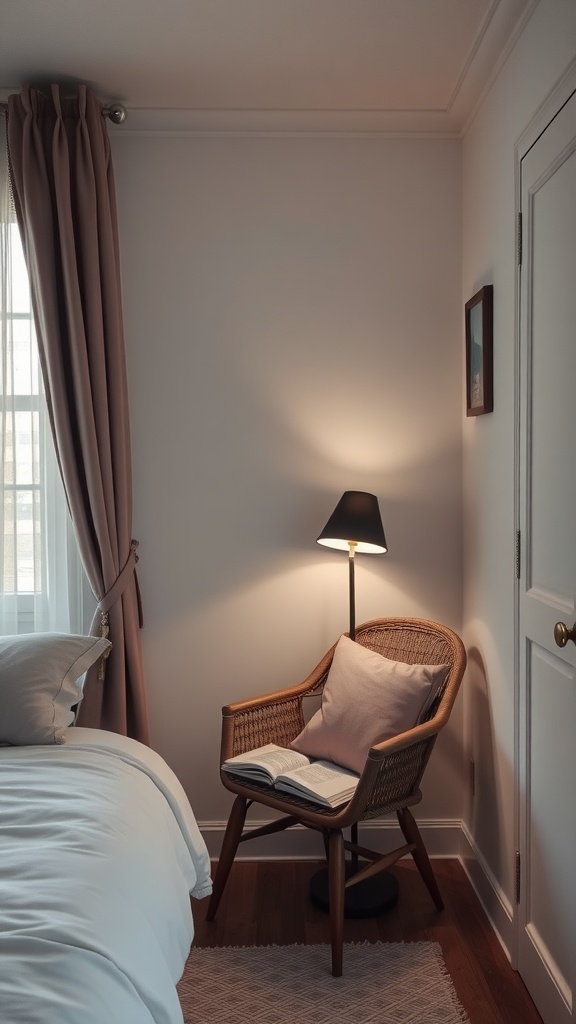
1. Reading Nook
A chair and lamp turn a corner into a retreat — a small room's easiest sanctuary feature.
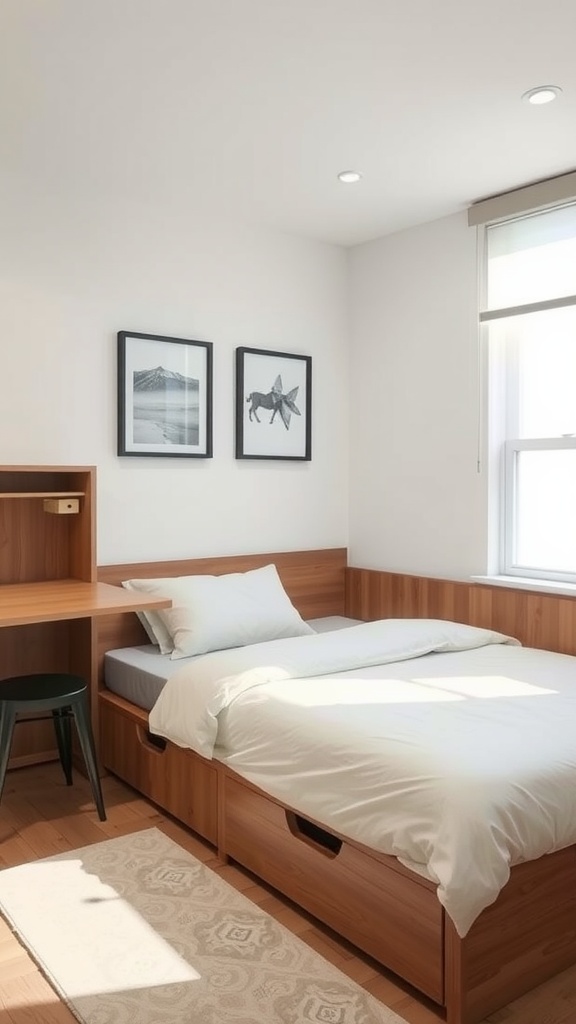
2. Space-Saving Bed
A bed with built-in drawers and a compact desk keeps function tucked into one calm footprint.
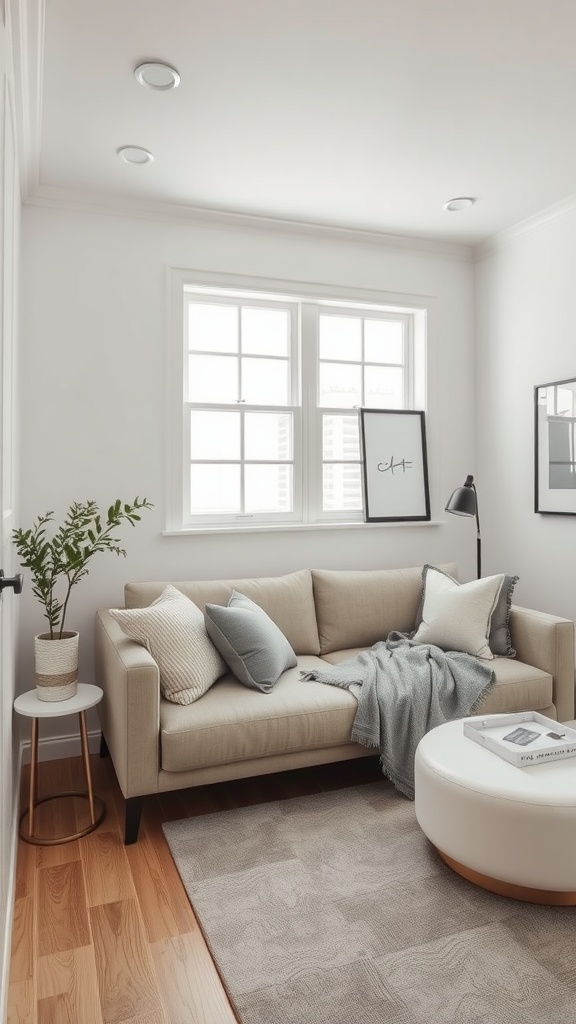
3. Multi-Functional Pieces
Furniture that serves two roles keeps the room uncluttered — the foundation of a serene small space.
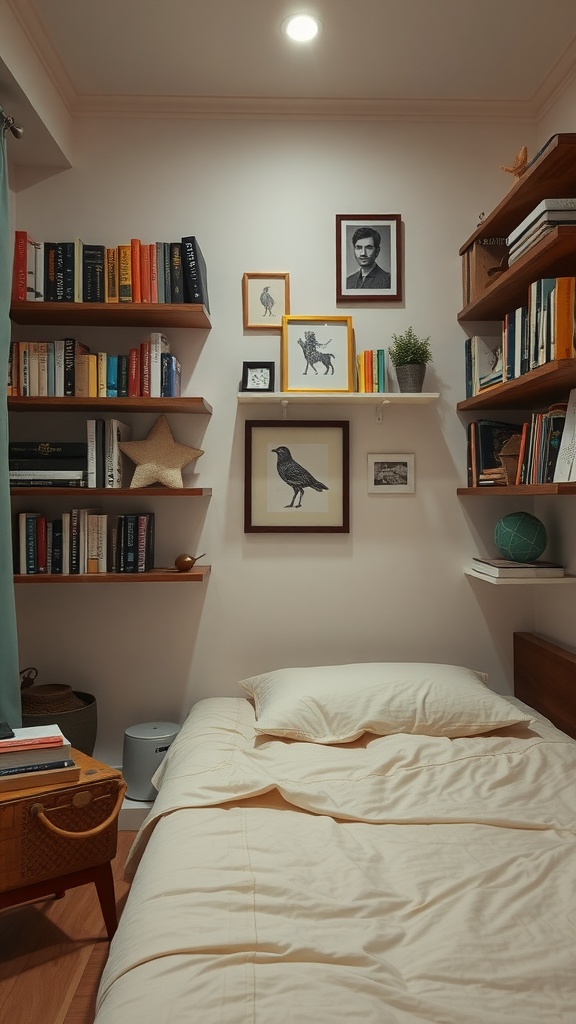
4. Vertical Shelves
Store up the walls so the floor stays open and the room stays calm.
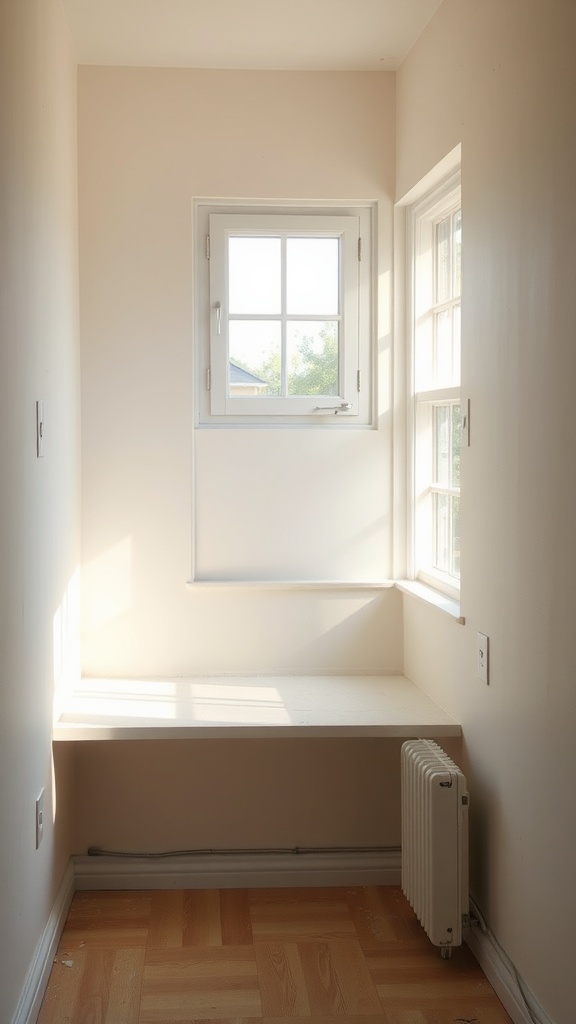
5. Light Colour Scheme
Airy, pale tones set a restful base and make the walls feel further apart.
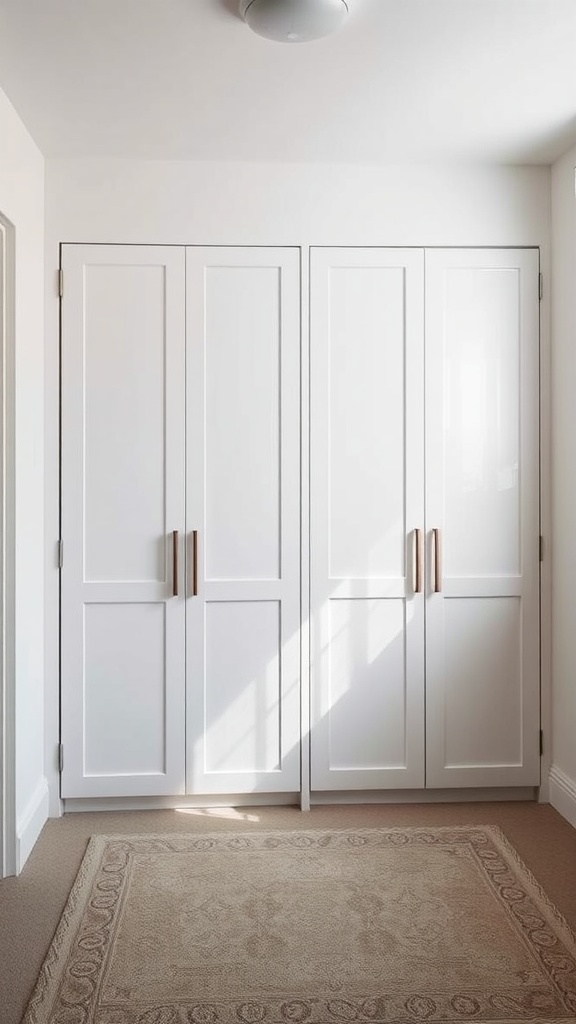
6. Built-In Wardrobe
Flush built-ins keep storage quiet and seamless, so nothing interrupts the calm.
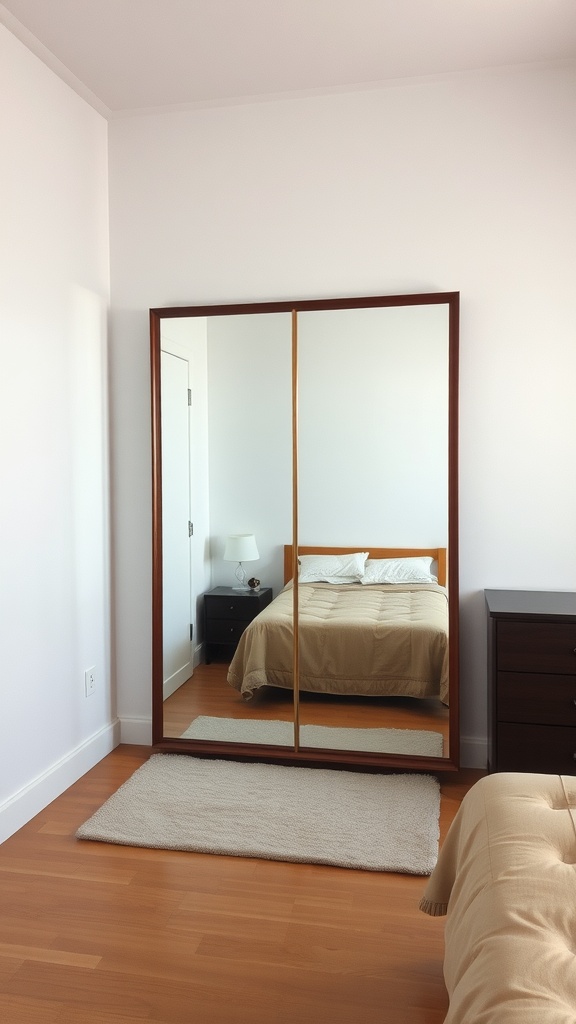
7. Mirror Illusion
A large mirror reflecting light opens the room and adds a sense of airy space.
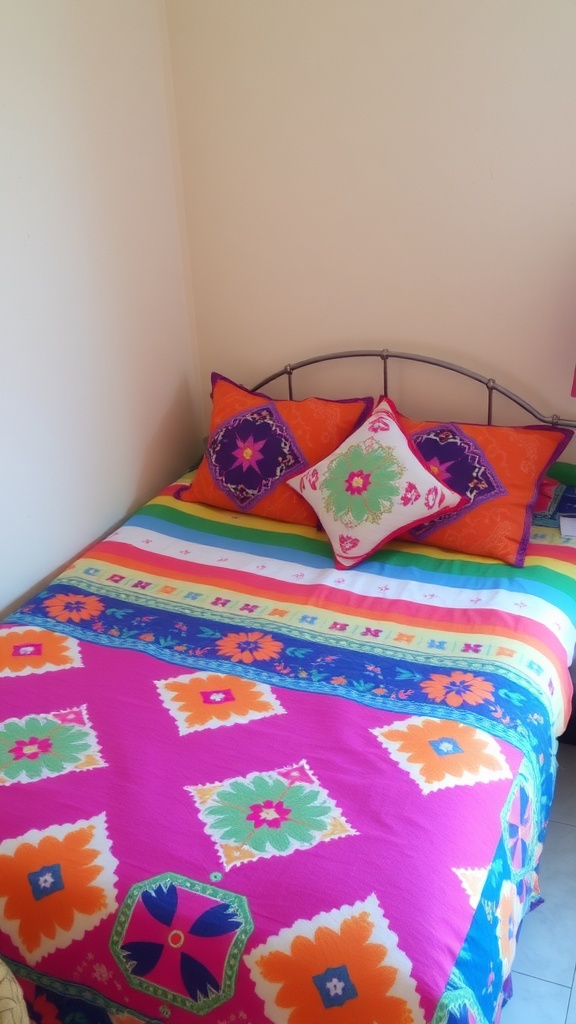
8. Creative Bedding
In a small room the bed is the main event — let expressive bedding carry the whole mood.
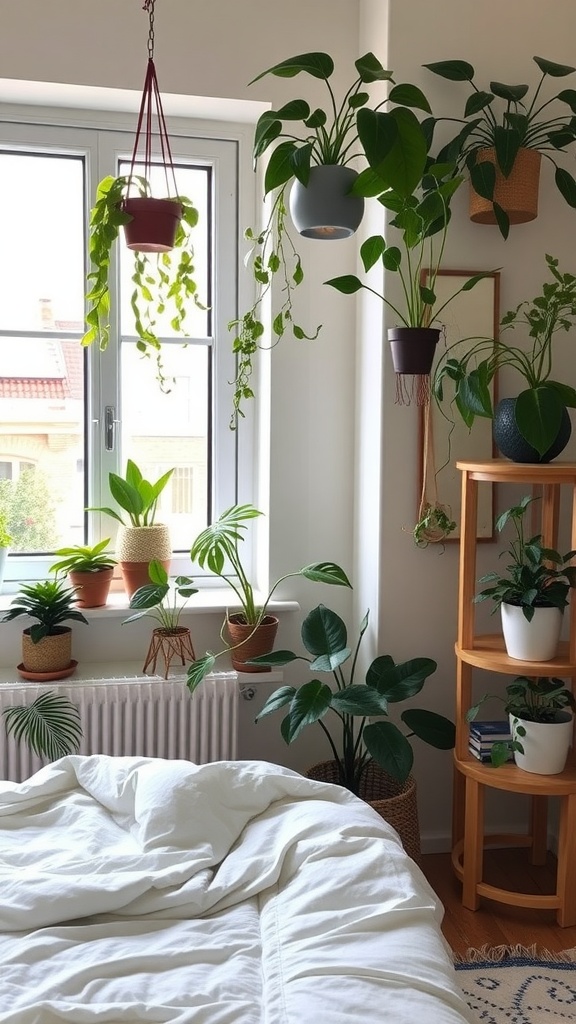
9. A Touch of Nature
Hanging and shelved plants bring calming greenery without spending any floor.
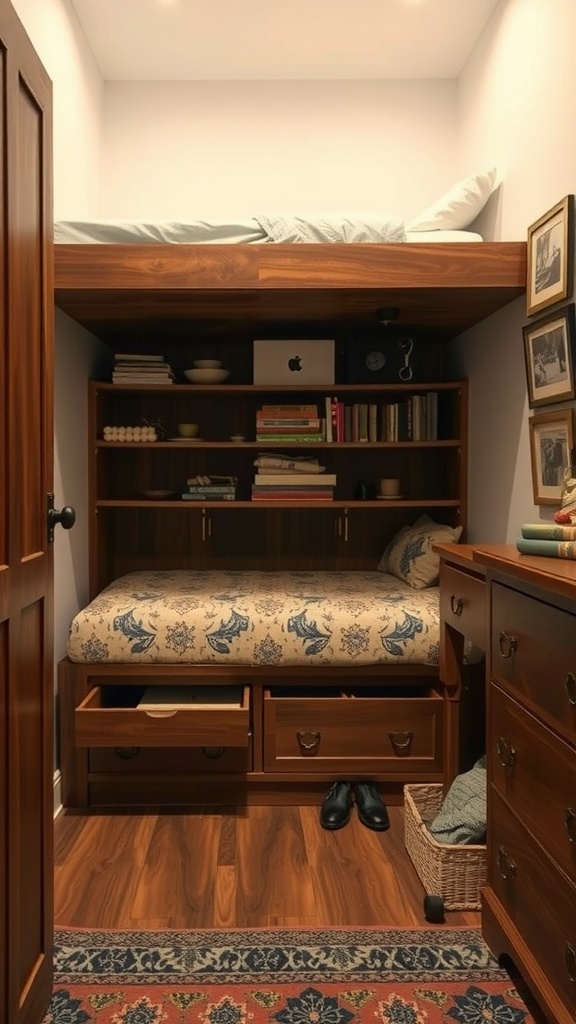
10. Hidden Storage
A raised bed over shelves and drawers hides the clutter that would break a room's calm.
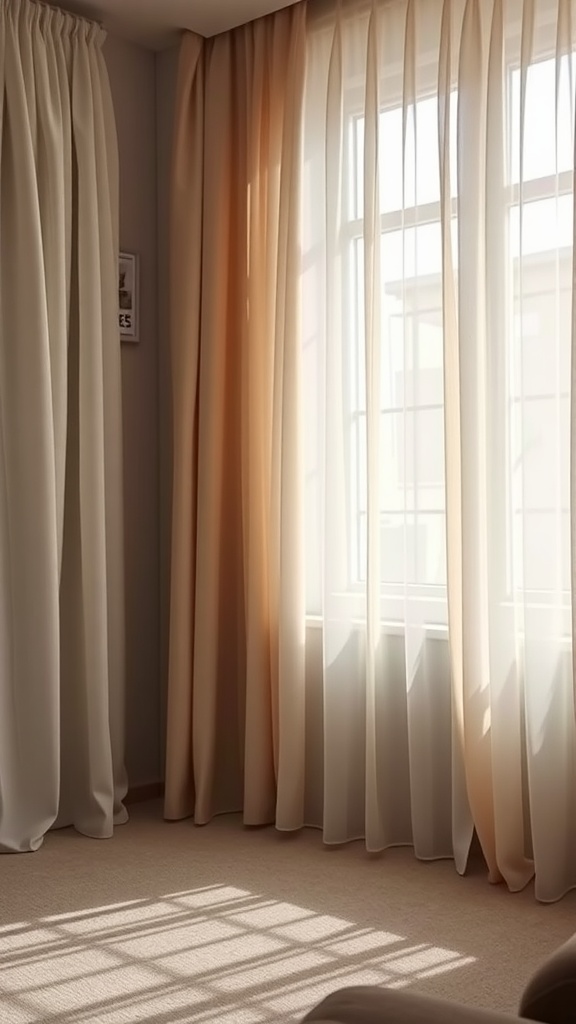
11. Lightweight Curtains
Sheer curtains soften the light and keep the room bright and airy by day.
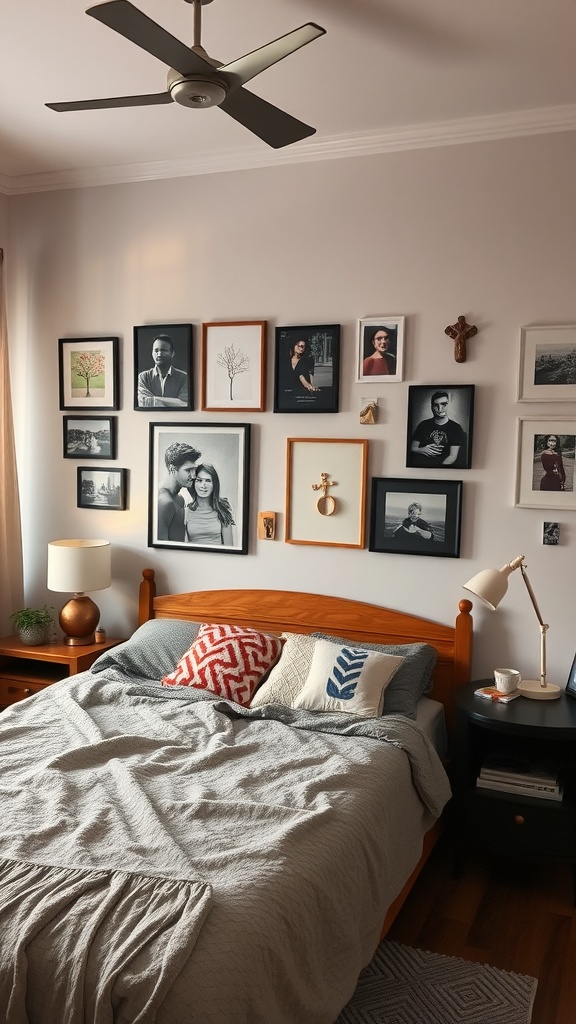
12. Personalised Wall Art
A gallery of meaningful pieces makes the room feel like a personal sanctuary, on unused wall space.
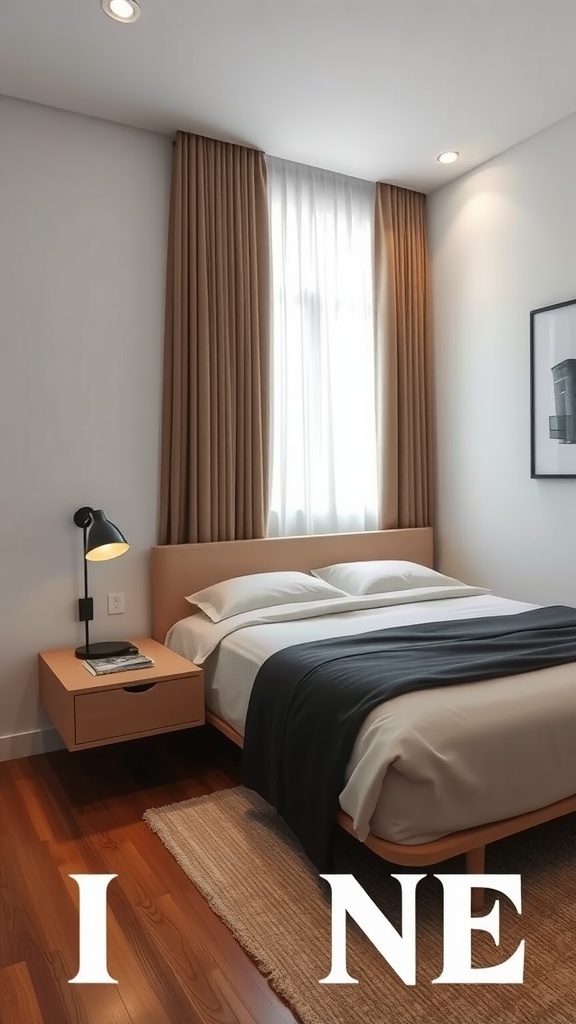
13. Floating Nightstands
Wall-mounted keeps the floor open and the look sleek and uncluttered.
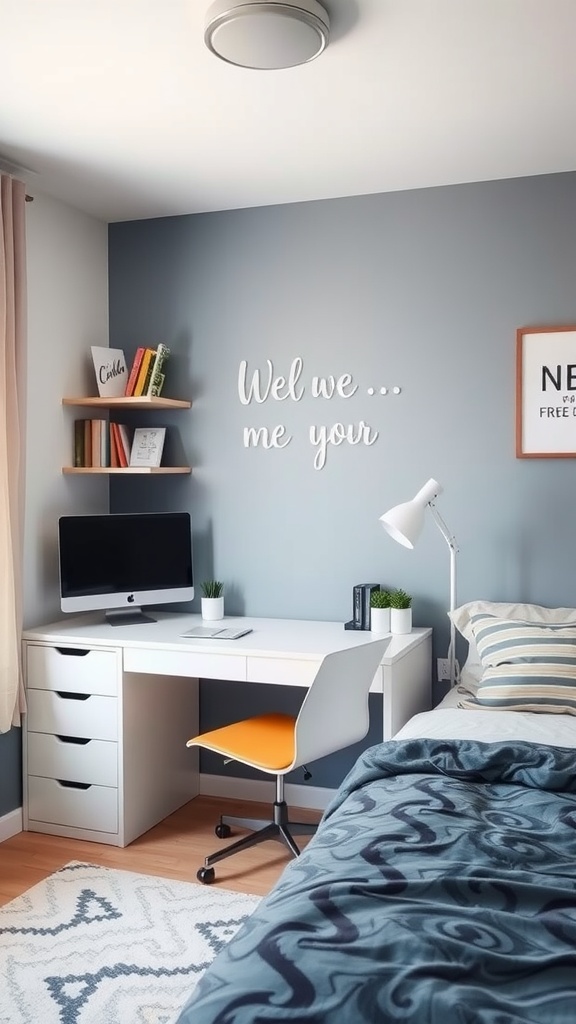
14. Wall-Mounted Desk
A floating desk defines a work zone without stealing the restful floor.
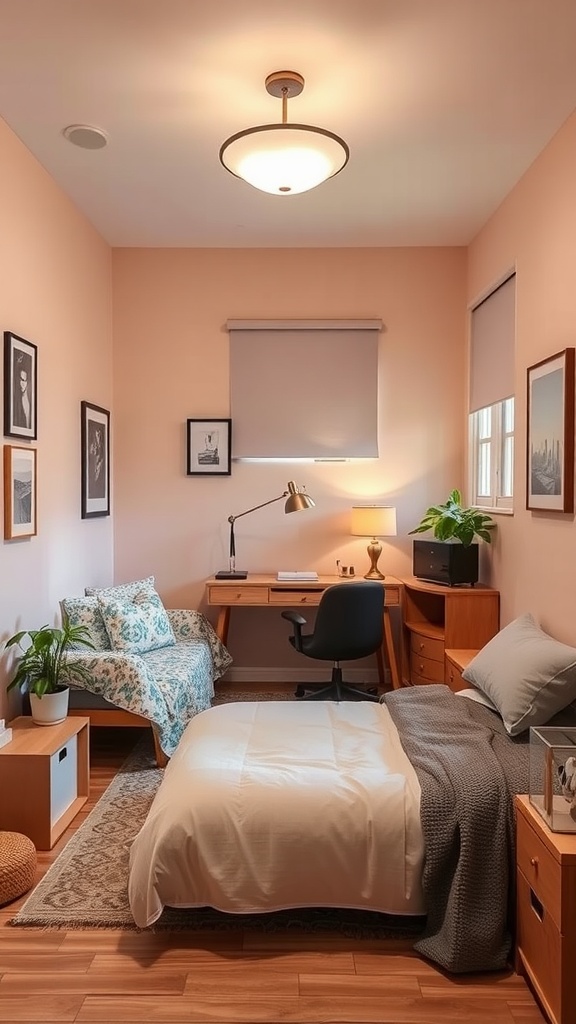
15. Customised Layout
A layout planned around your exact room fits sleep, seating and work into one calm arrangement.
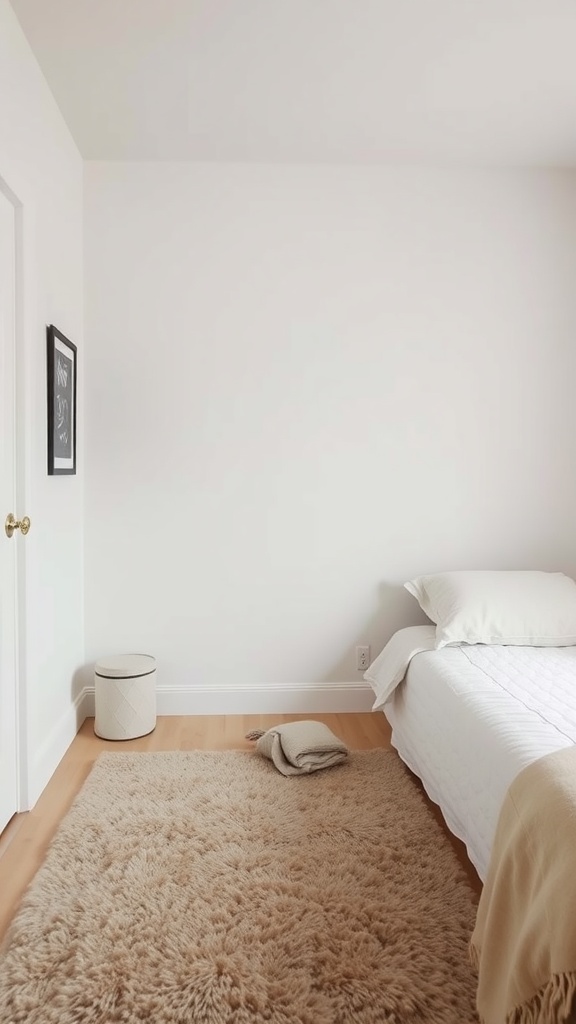
16. Textured Rug
A soft rug underfoot engages the senses and warms a minimalist small room.
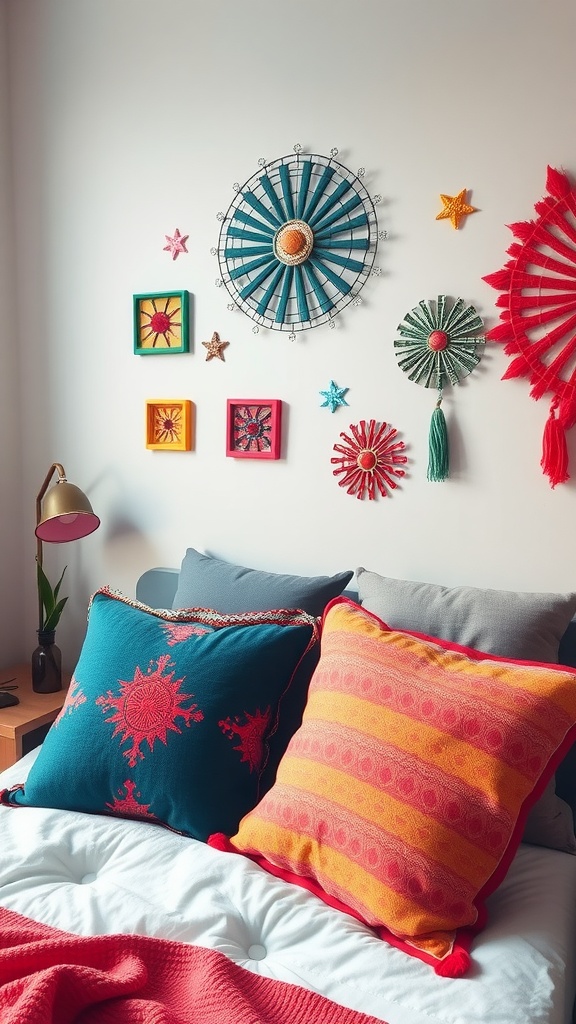
17. Colourful Accents
Keep bold colour to the 10% accent layer — personality without shrinking the room.
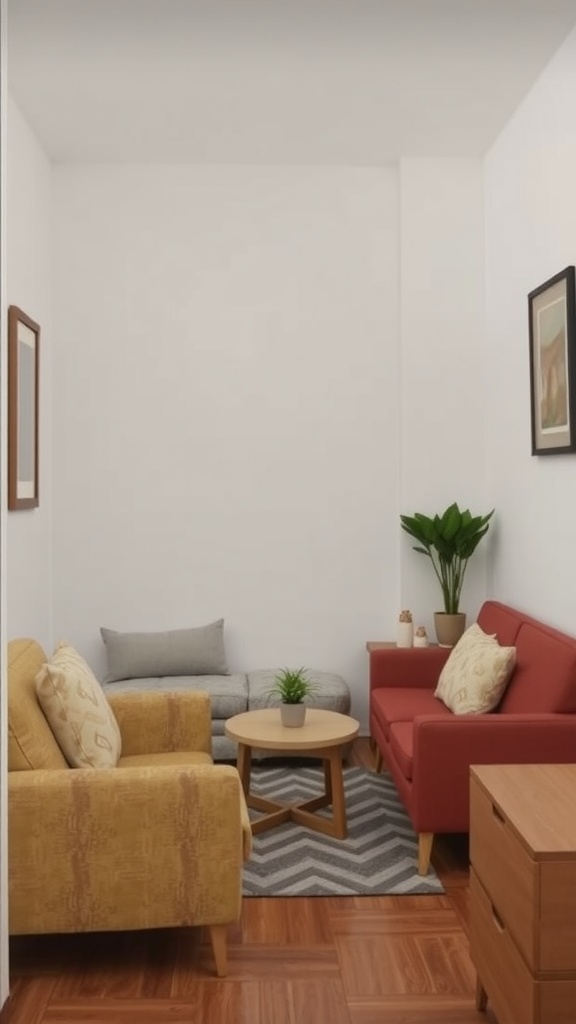
18. Right-Scale Furniture
Furniture sized to the room leaves breathing space, which is what makes small feel serene.
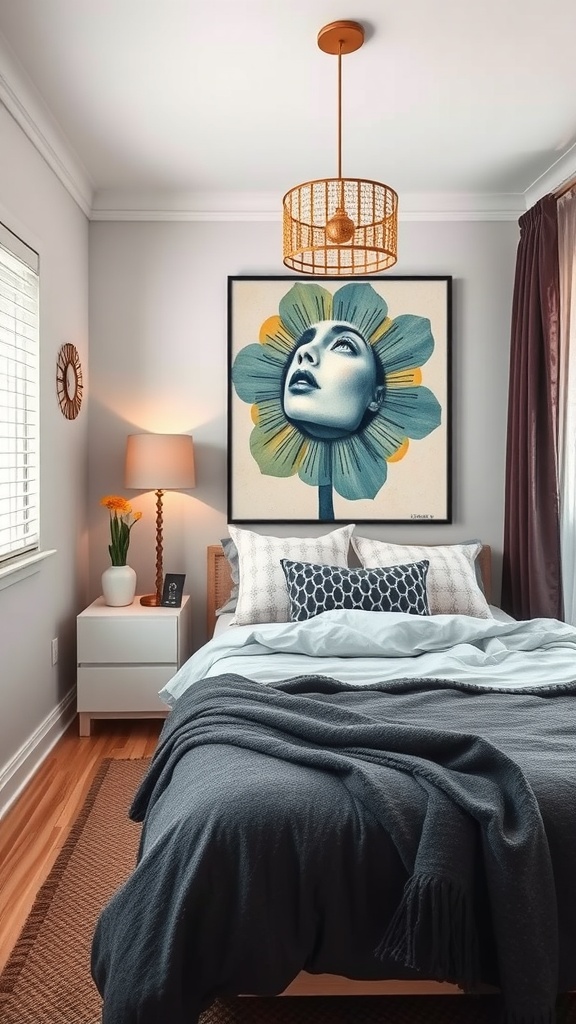
19. A Bold Focal Point
One striking piece gives the eye somewhere to land, so a small room feels intentional.
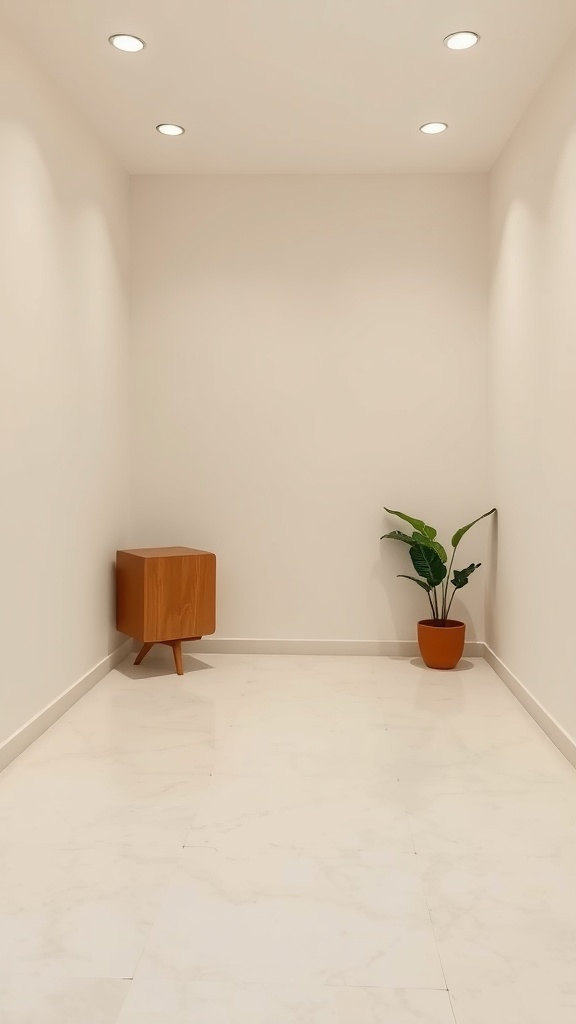
20. Minimalist Aesthetic
Fewer, softer pieces make a small room feel like a calm retreat rather than a storage unit.
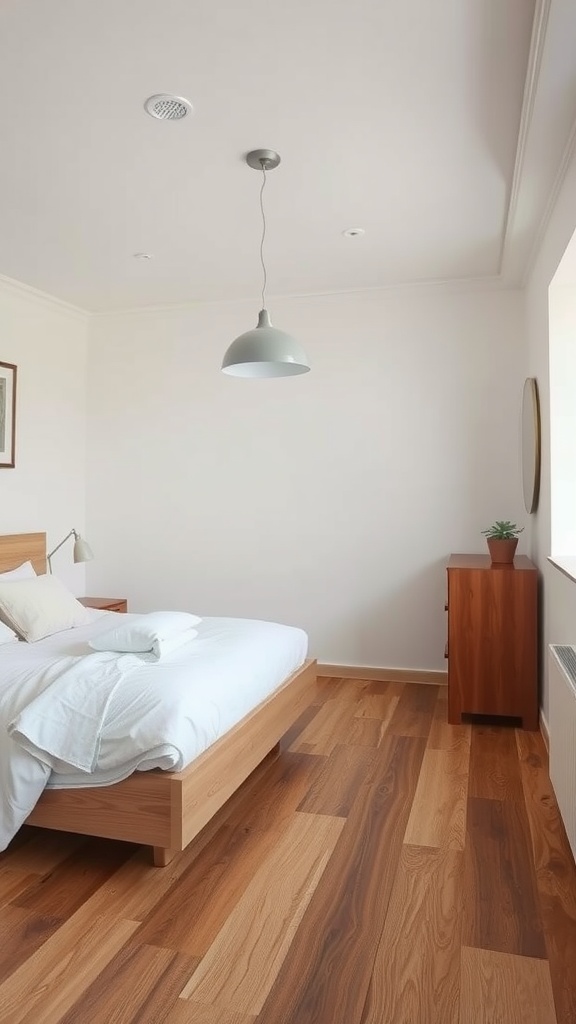
21. The Right Flooring
Continuous, light flooring visually enlarges the room and sets a serene foundation.
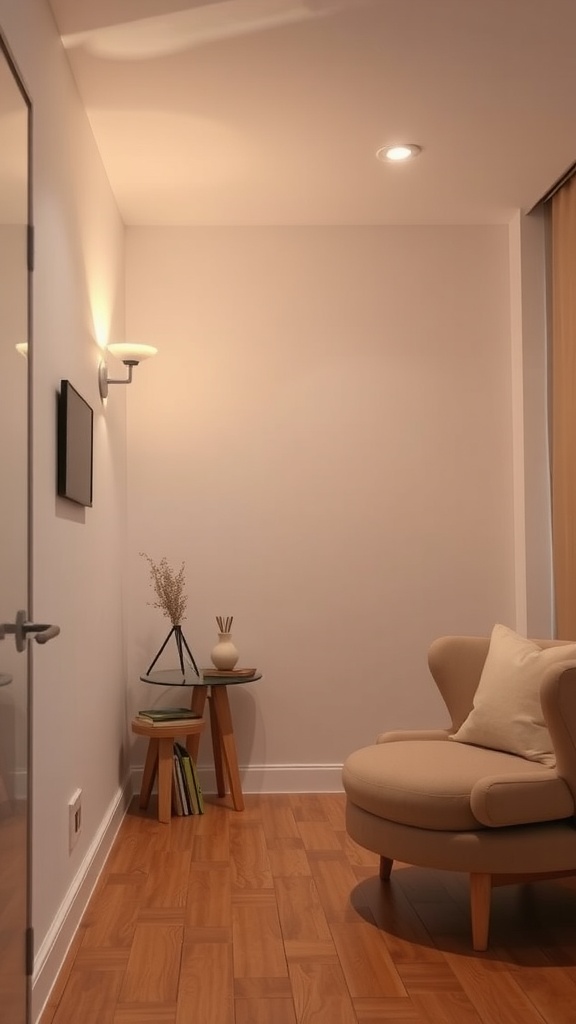
22. Smart Home Tech
Automated warm lighting and hidden displays let tech support the calm instead of cluttering it.
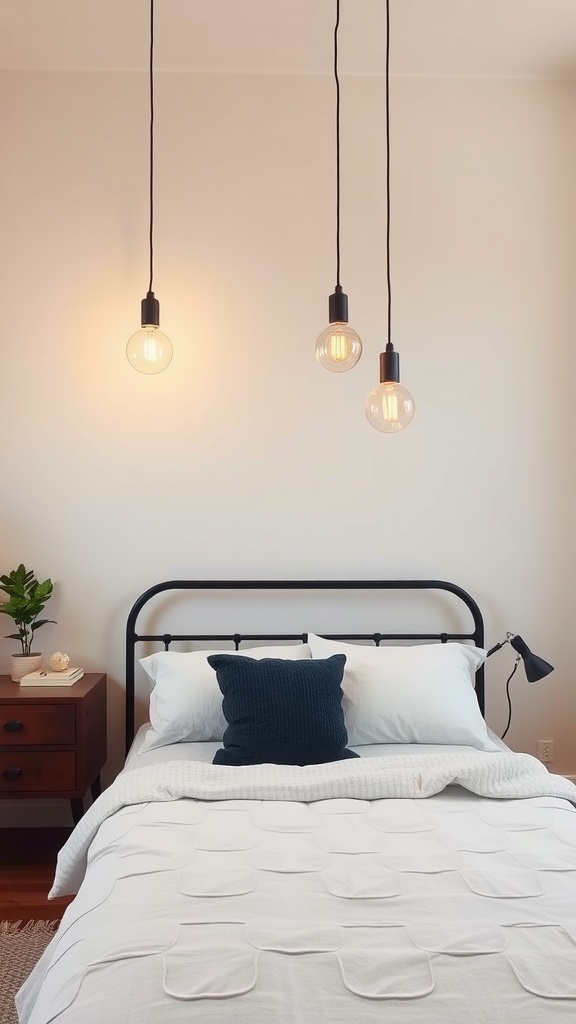
23. Ambiance Lighting
Pendants over the bed free the nightstands and set a warm, restful glow.
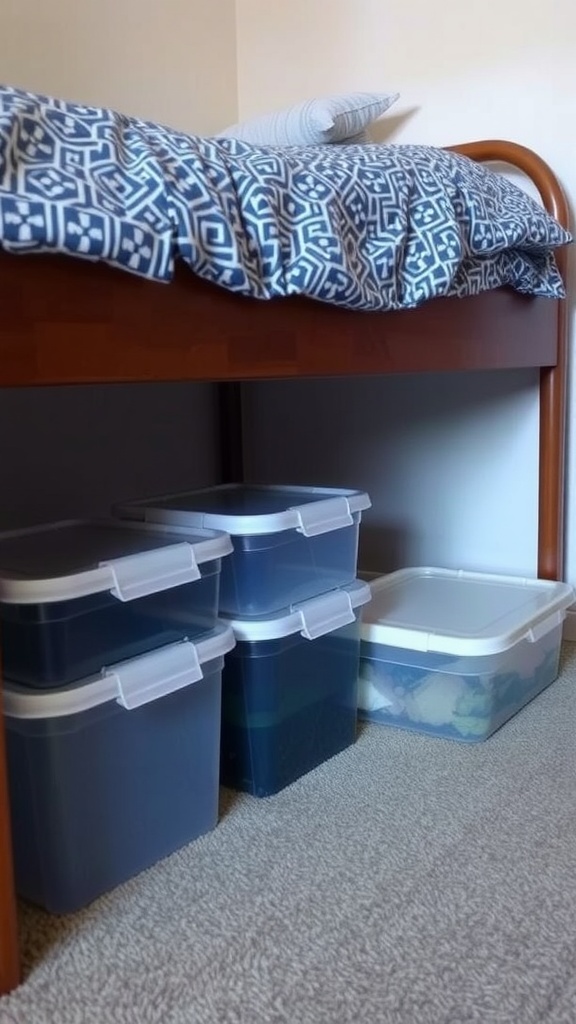
24. Under-Bed Storage
Hide the everyday clutter beneath the bed so the room stays calm and clear.
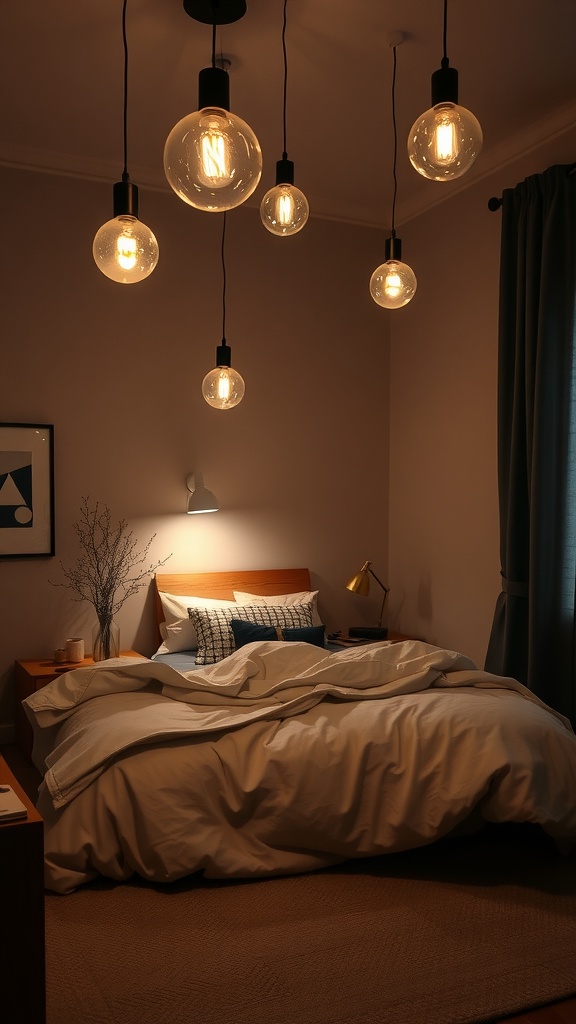
25. Artistic Lighting
A sculptural fixture is a small room's jewellery — atmosphere and art in one.
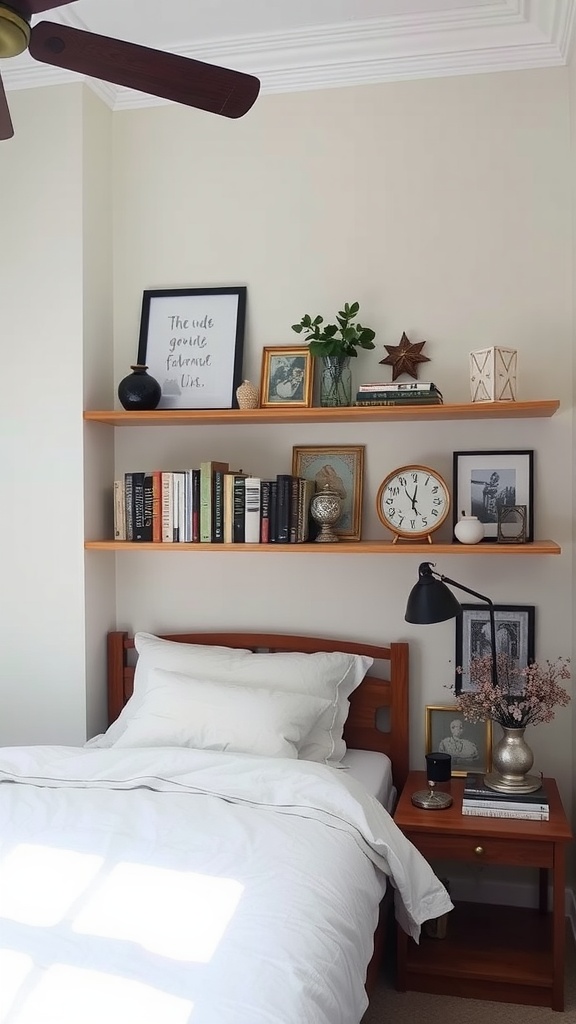
26. Open Shelving Display
Display favourite objects up high for warmth and personality without floor cost.
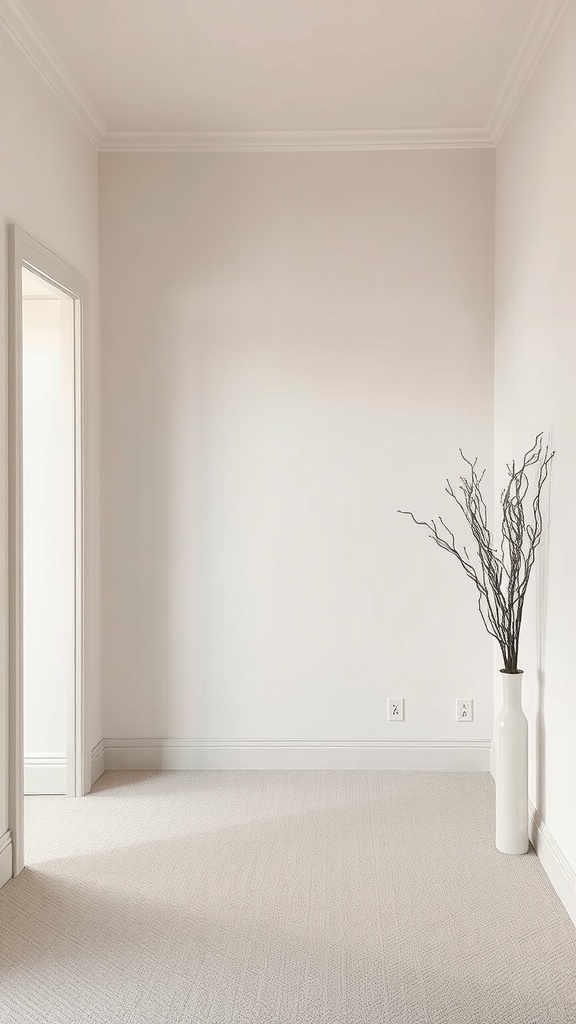
27. Neutral Palette
A quiet neutral scheme is inherently serene — the surest route to a restful small room.
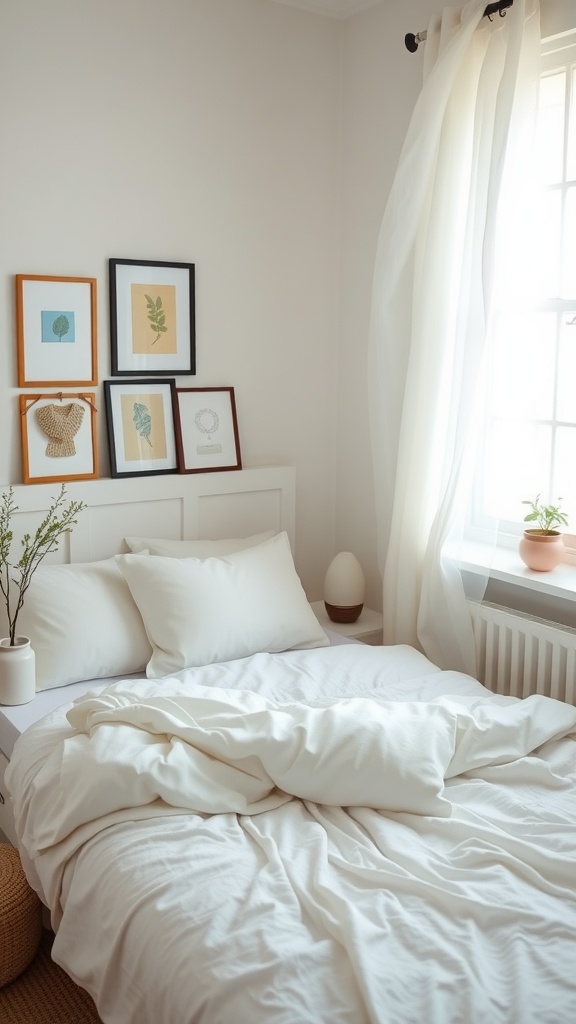
28. Aromatherapy Sanctuary
Scent is the sense most tied to calm — a diffuser turns a small room into a genuine retreat.
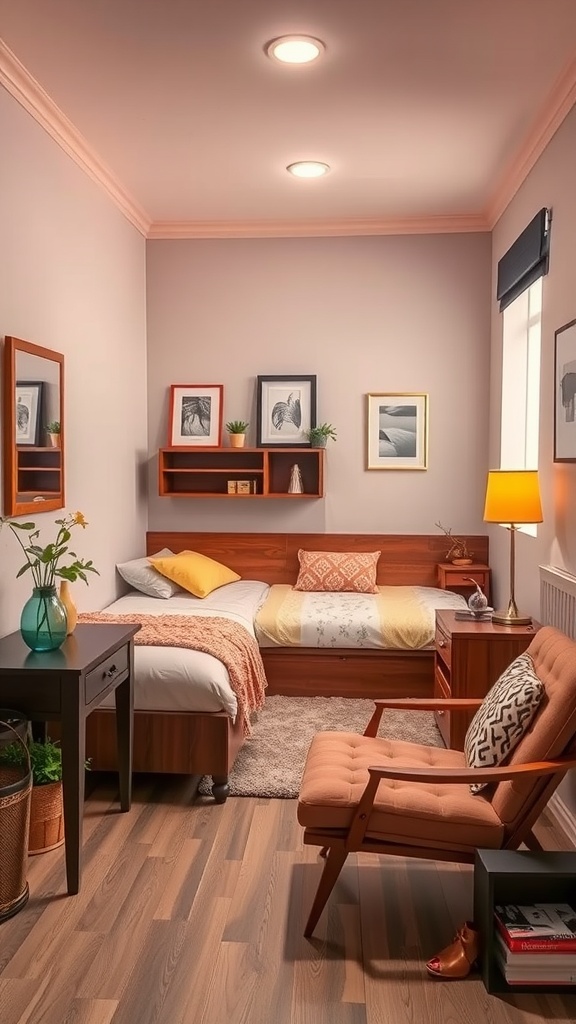
29. Harmonious Colours
A cohesive palette makes a small room feel settled, calm and intentional.
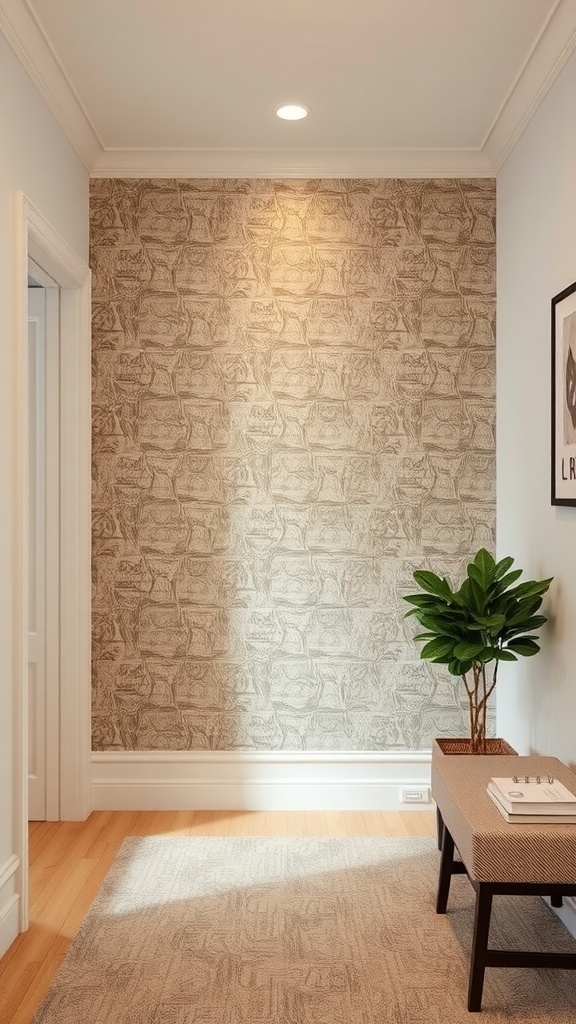
30. Textured Accent Wall
One textured wall adds depth and interest without closing the small room in.
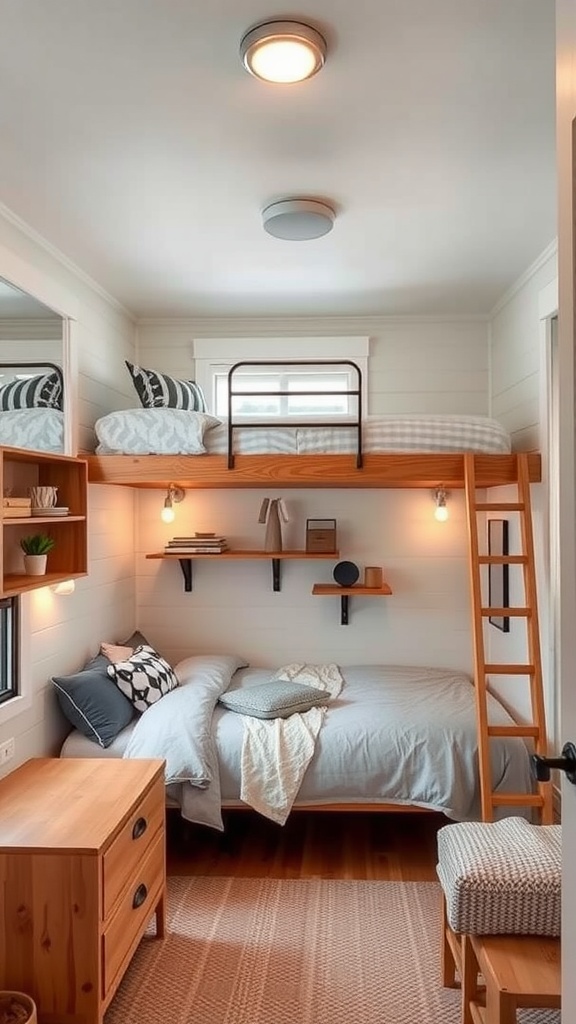
31. Use the Ceiling Height
A lofted bed reclaims the vertical space above, freeing the floor for another zone entirely.
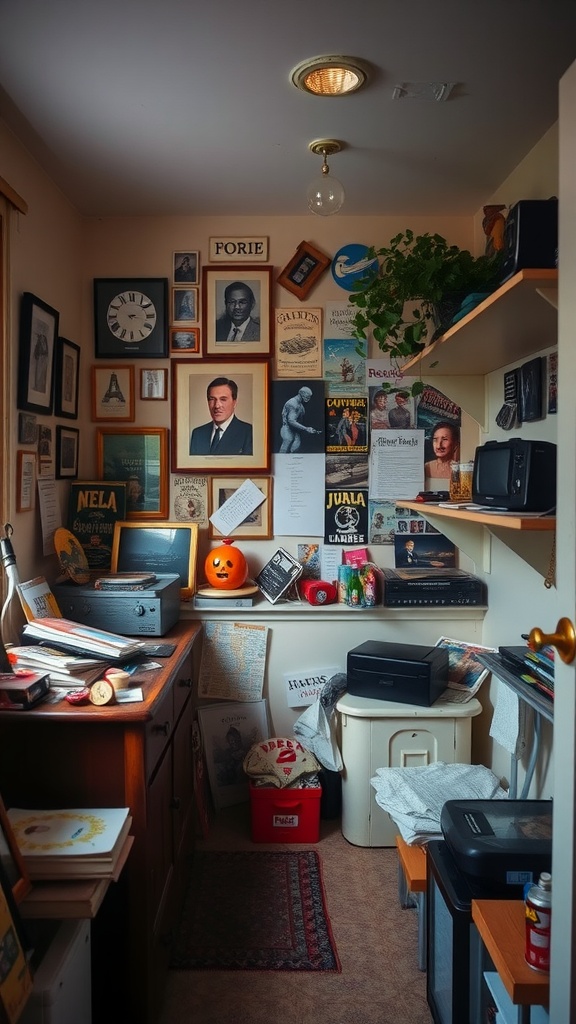
32. Personal Touches
Meaningful objects make a small room feel like yours — belonging is the heart of a sanctuary.
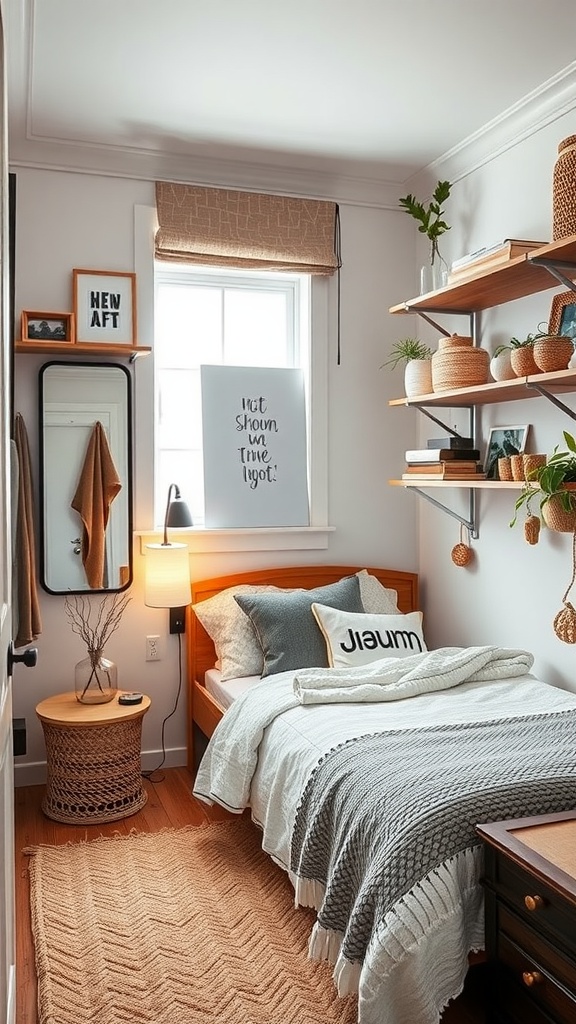
33. Vertical Storage
Wall-mounted shelves keep essentials off the floor and the room feeling open.
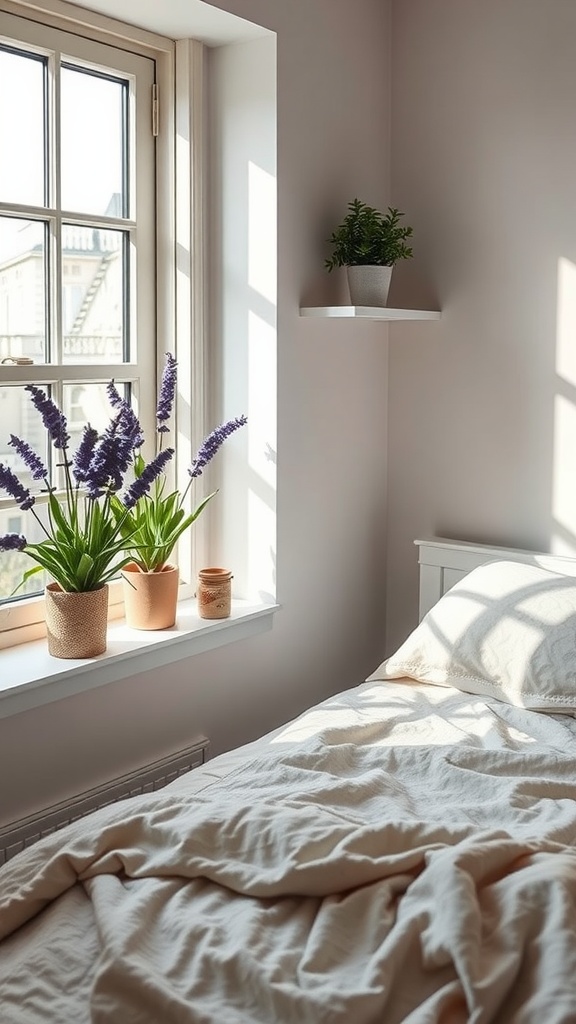
34. Aromatic Plants
Herbs and scented plants on the sill freshen the air and engage the senses — atmosphere for free.
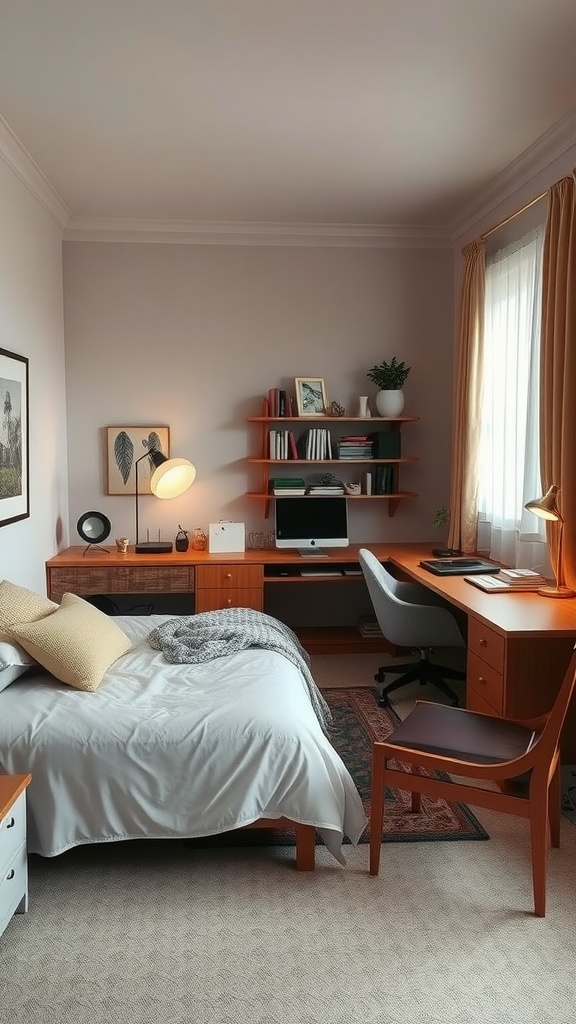
35. Activity Zones
Even in one small room, give sleep and work their own defined spots so neither disturbs the other.
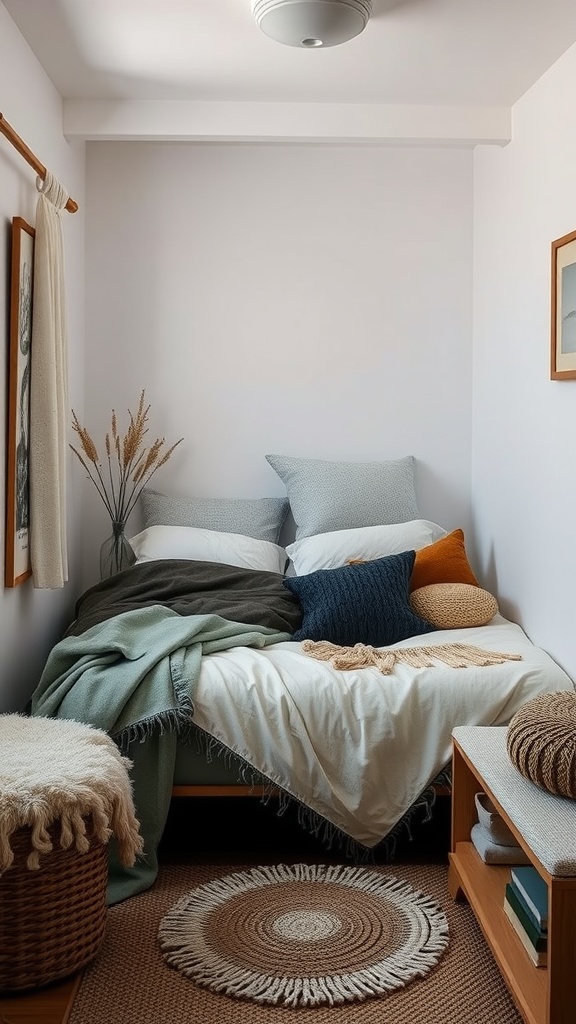
36. Layered Textiles
Layered fabrics add the sensory warmth that turns a small room from bare to genuinely cosy.
Creative moves that work specifically because the room is small
Some ideas are compromises for small rooms. These are the opposite — they work better here than they would in a large bedroom, which is worth knowing when the space feels like nothing but a limitation.
Dark, saturated colour. Large rooms painted deep colours can feel cavernous; small rooms painted deep colours feel deliberate and enveloping. The enclosure that a big room has to manufacture, you already have. This is the single most underused opportunity in small bedrooms.
Oversized art. One piece that would look ambitious in a large room looks confident in a small one — and it replaces the gallery wall that would have added a dozen edges.
Full-height curtains. Proportionally more transformative in a small room, because they cover a greater share of the wall and lift the apparent ceiling with them.
Expensive materials. A room this size needs so little of anything that you can afford the good version — the velvet, the linen, the solid brass fitting. Quantity is what makes quality unaffordable, and quantity is exactly what you don't need here.
Wall-mounted lighting. Frees both nightstands, adds a designed element at eye level, and looks like something a hotel would do rather than something you settled for.
A single bold pattern. Wallpaper that would be overwhelming across a large room becomes a feature when it's contained by four close walls — provided it's the only pattern in play.
Common mistakes in small-room decorating
Several statement pieces at once. The core error. Bold headboard, bold wallpaper, bold light — each fine alone, together they leave the eye nowhere to go.
Storage in a contrasting colour. A white wardrobe against a coloured wall is a large bright rectangle in a small room. Match it and it disappears.
The gallery wall. Twelve frames is twelve interruptions. In a small bedroom, one large piece nearly always beats a collection.
Playing it entirely safe. All-white, all-small, all-neutral doesn't make a small room bigger — it makes it forgettable. Small rooms tolerate boldness better than large ones do.
Filling every wall. Something on all four walls means no visual rest, and in a room this size the eye completes the circuit in a second.
Small-scale everything. Miniature furniture, small prints, tiny rug — the room ends up looking like a model of a bedroom rather than a bedroom.
Final thought
Creative decorating in a small room isn't about squeezing in more ideas. It's about hierarchy: one element allowed to be loud, everything else deliberately quiet, and one wall left alone entirely.
Get that right and the constraint stops being a constraint. A small bedroom with a clear hero and a calm supporting cast reads as designed — and it will look better than a large room where everything was allowed to compete.

Sources & principles referenced
- Visual weight: size, contrast, saturation, pattern and isolation as the components that make an element pull the eye.
- Hierarchy in composition — one dominant element supported by quieter ones — and why limited floor area makes competing focal points read as noise.
- Matching joinery to wall colour to reduce the perceived mass of storage.
- Edge count: multiple small frames carrying more cumulative visual weight than one large piece.
- Pattern restraint in confined spaces.
- Enclosure in small rooms as an advantage for saturated and dark colour schemes.
- Full-height curtain hanging and its proportionally greater effect in a small room.
- Wall-mounted bedside lighting to free surfaces and add a designed element at eye level.