

Rustic is the warmest style you can give a bedroom. Where minimalism removes and glam adds polish, a rustic bedroom celebrates honest, natural materials that show their age — timber with visible grain, wool that's actually warm, stone and leather that improve as they wear. These 37 cozy rustic bedroom ideas cover everything from full log-cabin to a subtle modern-rustic touch, plus the principles that keep the look authentic instead of themed.
What makes a bedroom genuinely rustic
Rustic design rests on one idea: materials should be honest and visibly natural. That means wood you can read the grain of, textiles with real texture, and finishes that are matte rather than glossy. Imperfection is a feature — knots, saw marks, patina and slight irregularity are exactly what separate rustic from generic "wood-effect" decor. Everything else in rustic bedroom decor flows from that principle.
Wood is the foundation — but don't match it
Wood does most of the work here, and the biggest mistake is buying a matching bedroom set. Real rustic interiors accumulate: a reclaimed headboard, a different-toned nightstand, older beams overhead. Mix your wood tones deliberately — two or three is ideal — and let them differ in age and finish. Reclaimed timber is especially valuable because it arrives with the patina new wood needs decades to earn.
The rustic colour palette
Stick to colours drawn from landscape: cream, oatmeal, warm brown, terracotta, muted forest green and soft charcoal. Because these tones are already warm and low-saturation, they layer effortlessly. Use a warm neutral as your dominant 60%, wood tones as the 30%, and a deeper accent — forest green, rust, black iron — as the 10%.
Layer natural textiles generously
Rustic rooms are meant to feel warm to the touch, not just to the eye. Layer wool blankets, linen sheets, quilts, sheepskin and heavy knits, and put a rug (or two layered rugs) underfoot. Natural fibres are the point — they breathe, age well, and provide the tactile warmth that photographs can't convey but you feel every night.
Light it low and warm
Nothing kills rustic faster than bright, cool overhead light — it flattens grain and texture, which are the entire appeal. Use 2700 K or lower across layered sources: a warm ambient fixture, bedside lamps, and candles or a fire for atmosphere. Wrought iron, aged brass and mica or fabric shades all suit the style.
37 cozy rustic bedroom ideas — and why each works

1. Rustic Light Fixtures
Wrought iron, aged brass or lantern-style fittings set the tone immediately. Fit warm 2700 K bulbs so the light flatters wood grain rather than bleaching it out.

2. Reclaimed Wood Furniture
Salvaged timber arrives with patina you can't buy new — nail holes, saw marks, weathering. It's also the most sustainable route to authentic rustic character.

3. Vintage Wooden Furniture
An old dresser or bedside table brings history into the room. Mismatched vintage pieces look more convincingly rustic than any coordinated set.

4. Wooden Accent Wall
A plank or shiplap wall behind the bed delivers instant rustic character and doubles as the solid backing a headboard wants. One wall is usually enough.

5. Handcrafted Bed Frame
A solid timber frame with visible joinery is the room's anchor. Craftsmanship shows, and a well-made frame will outlast every other item in the bedroom.

6. Antique Accents
Old clocks, enamelware and worn metal objects add authenticity cheaply. Keep them few and functional-looking so the room doesn't drift into cluttered nostalgia.

7. Nature-Inspired Palette
Earth tones borrowed from the landscape layer effortlessly because they're all warm and muted. This palette is what makes rustic rooms feel instantly calming.

8. Textured Linens
Rough-weave linen and cotton bring tactile warmth and drape beautifully. Natural fibres also wrinkle — which reads as lived-in rather than untidy in this style.

9. Chunky Textured Throws
A heavy knit or wool throw folded across the bed adds visual weight and genuine warmth. It's the cheapest way to make a bed look inviting.

10. Earthy Flooring
Wide-plank wood, stone or terracotta grounds the room in natural material. If you're stuck with laminate, a large natural-fibre rug covers most of the deficit.

11. Landscape Wall Art
Mountains, forests and botanical prints reinforce the connection to outdoors. Simple wooden frames keep the art consistent with the room's materials.

12. Simple Window Treatments
Unlined linen or cotton curtains, or plain wooden shutters. Rustic windows should feel unfussy — heavy formal drapery belongs to a different style entirely.

13. A Rustic Workspace
A solid wood desk under the beams integrates work without breaking the mood. Match the desk's timber tone to something else in the room to tie it in.

14. Greenery
Plants complete the indoor-outdoor connection rustic depends on. Choose robust, structural species — ferns, eucalyptus, trailing ivy — over delicate ornamentals.

15. Family Heirlooms
Inherited objects carry genuine history, which is exactly what rustic style is reaching for. These pieces give a room a depth that purchased decor can't imitate.

16. Layered Rugs
A large jute or wool base rug with a smaller patterned one on top adds warmth and depth. It also softens hard timber or stone floors underfoot.

17. Open Wooden Shelving
Chunky timber shelves display books, candles and pottery while adding another layer of wood. Leave gaps so the shelf reads styled rather than stuffed.

18. A Reading Nook
A worn leather or upholstered chair beside a bookshelf makes the room somewhere you linger. Leather is ideal here — it ages into the aesthetic rather than out of it.

19. Framed Photographs
Family photos in simple wooden frames suit rustic's personal, unpretentious character. Black-and-white prints keep a mixed collection visually cohesive.

20. Built-In Timber Storage
Built-ins in solid wood add storage and architectural warmth at once, and they fit awkward cottage dimensions that standard furniture can't handle.

21. A Fireplace Focal Point
If you have one, build the whole room around it. A fire delivers the warm, flickering low light that defines rustic atmosphere better than any fixture.

22. Timber Plank Ceiling
Wood overhead makes a room feel instantly enveloping — and cedar brings a subtle natural scent as a bonus. It works especially well in rooms with height to spare.

23. Layered Ambient Light
Several low, warm sources beat one bright ceiling light every time. Layered lighting is what makes wood and wool look rich after dark.

24. Woven Storage Baskets
Seagrass and wicker baskets hide clutter while adding natural texture. They're the rustic answer to plastic storage boxes, and they look good on display.

25. Warm-Toned Cushions
Mix wool, linen and knitted cushions in earth tones. Varying the textures matters more than varying the colours in a palette this restrained.

26. A Quilted Bedspread
Quilts carry craft heritage and add pattern without fuss. A handmade or vintage quilt is one of the most authentically rustic things you can put on a bed.

27. Exposed Ceiling Beams
Beams are the single most recognisable rustic feature. If yours are hidden, reclaimed faux beams are a convincing, far cheaper alternative to structural work.

28. A Wood-Framed Mirror
Rustic rooms absorb a lot of light, so a large mirror positioned to reflect a window keeps things bright while adding another timber frame.

29. Handcrafted Decor
Pottery, carved wood and woven pieces show a human hand at work. Visible craftsmanship is the quality that separates rustic from mass-produced country-style decor.

30. Soft Colour Accents
Muted blue or peach against all that timber lifts the room without breaking the natural palette. Keep accents low-saturation so they sit comfortably with the wood.

31. Seasonal Swaps
Rustic suits seasonal change beautifully — heavier wool and deeper tones in winter, lighter linen in summer. Swapping textiles refreshes the room for very little money.

32. A Sliding Barn Door
Barn doors add rustic character and save the floor space a swinging door needs — genuinely useful in a tight bedroom, not just decorative.

33. A Reclaimed Headboard
A headboard built from salvaged planks is a straightforward DIY and an immediate focal point. Sand and seal it so it never snags bedding.

34. A Blanket Ladder
An old wooden ladder stores throws vertically and doubles as decor — storage that earns its keep while adding another weathered timber texture.
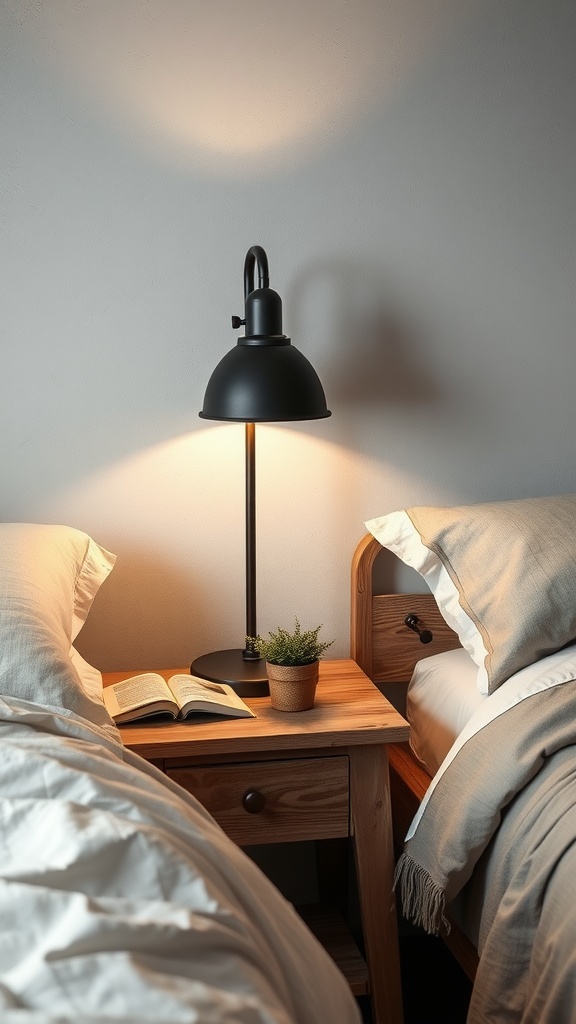
35. Simple Bedside Styling
A warm lamp, a plant and a book is all a rustic nightstand needs. Restraint here keeps the focus on materials rather than objects.

36. Architectural Trim
Chunky timber trim and moulding add craftsmanship at the room's edges — the kind of detail you notice subconsciously rather than directly.

37. Candlelight
Nothing suits rustic like real flame. Candles deliver the warm, moving low light the style is built around — just keep them well clear of textiles.

Bonus: Frame the Outdoor View
If there's a view, treat it as the room's best artwork and keep window dressing minimal. The indoor-outdoor connection is central to rustic design.

Bonus: Mix Wood and Stone
Pairing a timber slat wall with a stone accent gives the room two natural materials in conversation — a more sophisticated look than wood alone.
Rustic vs. farmhouse vs. cabin: what's the difference?
These three overlap constantly but aren't identical. Rustic is the broadest: raw, natural, imperfect materials, whatever the setting. Farmhouse is rustic plus a lighter, more domestic palette — whites and creams, painted furniture, shiplap and a tidier, more decorative sensibility. Cabin (or lodge) is rustic at its darkest and most enveloping: heavy timber, plaid, leather, stone fireplaces and a distinctly wintry mood. Modern rustic keeps the natural materials but pairs them with clean contemporary lines, which is the easiest version to live with in a newer home.
Rustic on a budget (and for renters)
Rustic is one of the cheapest styles to achieve convincingly, because age and wear are assets rather than flaws. You're looking for character, not condition — which is exactly what makes secondhand furniture inexpensive.
Where to find the materials. Architectural salvage yards, demolition sites, farm clearances and online marketplaces are full of reclaimed timber, old doors and worn furniture at low prices. Pallet wood is free if you're willing to sand and seal it properly. Charity shops reliably yield the quilts, wool blankets, pottery and framed landscapes this style wants.
If you rent and can't build. Skip the structural features and go all-in on textiles and freestanding pieces: layered wool throws, a jute rug, linen bedding and woven baskets will carry the look on their own. A freestanding reclaimed-wood headboard can simply lean against the wall behind the bed — no fixings needed. Peel-and-stick wood-effect panels handle an accent wall reversibly, and swapping bulbs to warm 2700 K costs a few pounds and changes everything.
The order that matters. Lighting first (warm bulbs and a lamp), textiles second (bedding, throws, a rug), then one or two solid wood pieces hunted secondhand. Leave decorative accessories for last — they're the finishing touch, not the foundation, and they're where people usually waste money first.
Common rustic bedroom mistakes
- Buying a matching wood set — real rustic rooms mix tones and ages; matching reads as showroom.
- Cool or bright lighting — it flattens the grain and texture that make the style work.
- Overdoing the props — too many signs, antlers and "farmhouse" slogans tip the room into theme-park territory.
- Glossy finishes — rustic needs matte; shine immediately reads as fake.
Final thought
A rustic bedroom succeeds on materials, not decorations. Choose real wood and natural fibres, mix tones instead of matching them, keep the palette earthy, and light the whole thing low and warm. Get those right and the room will feel like it's been quietly comfortable for decades — which is exactly the point.

Sources & principles referenced
- Defining characteristics of rustic interior design (honest natural materials, visible patina, matte finishes).
- Wood-tone mixing.
- Earthy palette construction and the 60-30-10 rule.
- Natural-fibre textile layering.
- Low warm lighting (2700 K).
- Distinctions between rustic, farmhouse, cabin and modern rustic styles.