
"Modern" is the most misused word in interior design — and knowing what it actually means makes these modern bedroom ideas far easier to execute. A genuinely modern bedroom is defined by clean lines, honest materials, function over ornament and generous breathing space. It is not simply "whatever looks new." Below are 35 ideas, plus the principles — and the modern-versus-contemporary distinction — that make the style work.
Modern vs. contemporary: the difference
Modern refers to a specific design movement running roughly from the 1920s through the 1960s, including mid-century modern. It has a fixed vocabulary: clean horizontal lines, tapered legs, warm woods like teak and walnut, no ornamentation, and a strong function-first philosophy. Contemporary simply means whatever is current — it shifts every few years and borrows freely from everything. In practice, most people searching for modern bedroom design want a blend: the discipline and clean lines of modernism, updated with today's materials and comforts. That's what this guide delivers.
The four traits every modern bedroom shares
- Clean lines and simple forms — rectilinear or gently curved shapes with no applied decoration.
- Function first — every piece justifies itself by use, not by looks alone.
- Honest materials — real wood, metal, glass, stone and natural textiles, in their true finishes.
- Negative space — empty floor and clear surfaces are deliberate, not unfinished.
The modern colour palette
Modern bedrooms almost always run on a neutral base with a single decisive accent: white, grey, greige or black across the large surfaces, with warm wood providing the natural counterweight, and one saturated colour appearing in art, a chair or textiles. Apply the 60-30-10 rule and resist adding a second and third accent — restraint is what keeps modern looking sharp rather than busy.
Furniture: low, light and lifted
Two details do most of the work. First, keep furniture low-profile — a low platform bed makes ceilings feel higher and the room calmer. Second, favour pieces on raised legs or wall-mounted: seeing floor continue underneath makes furniture appear to float, which is why a modern room feels airy even when it's full. Floating nightstands and a leggy bench deliver this instantly.
Lighting: one statement, three layers
Modern design treats the light fixture as sculpture. Choose one strong geometric or sculptural piece as the focal point, then layer in bedside task lighting and a hidden accent source — all warm at 2700 K and ideally on dimmers. Recessed and concealed strip lighting suits the style particularly well because the light appears without a visible source.
35 modern bedroom ideas — and why each works
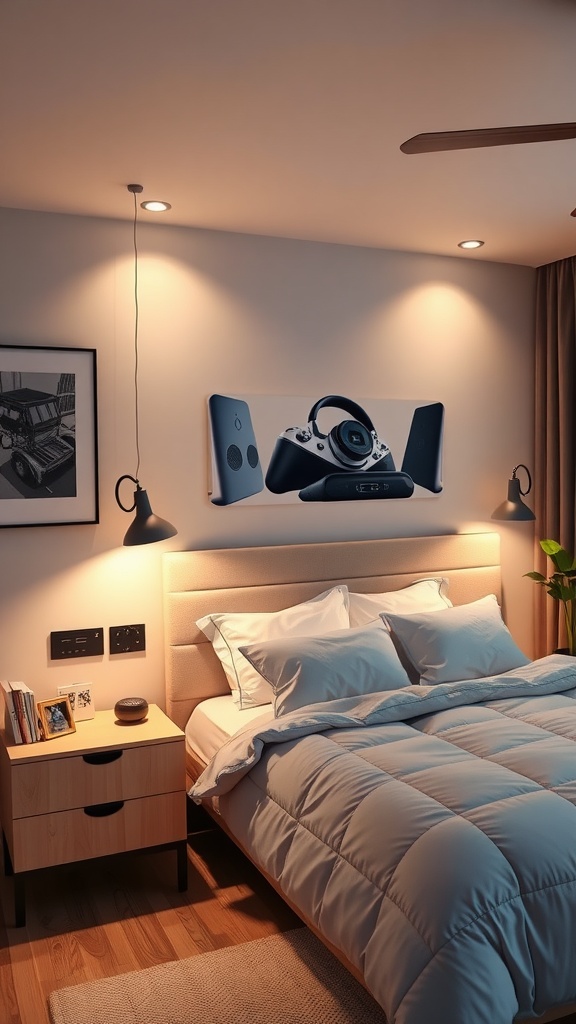
1. Integrated Smart Technology
Modern design has always embraced new technology — the trick is integration. Wall-mount devices, hide cables and choose matte finishes so the tech supports the room rather than cluttering it.
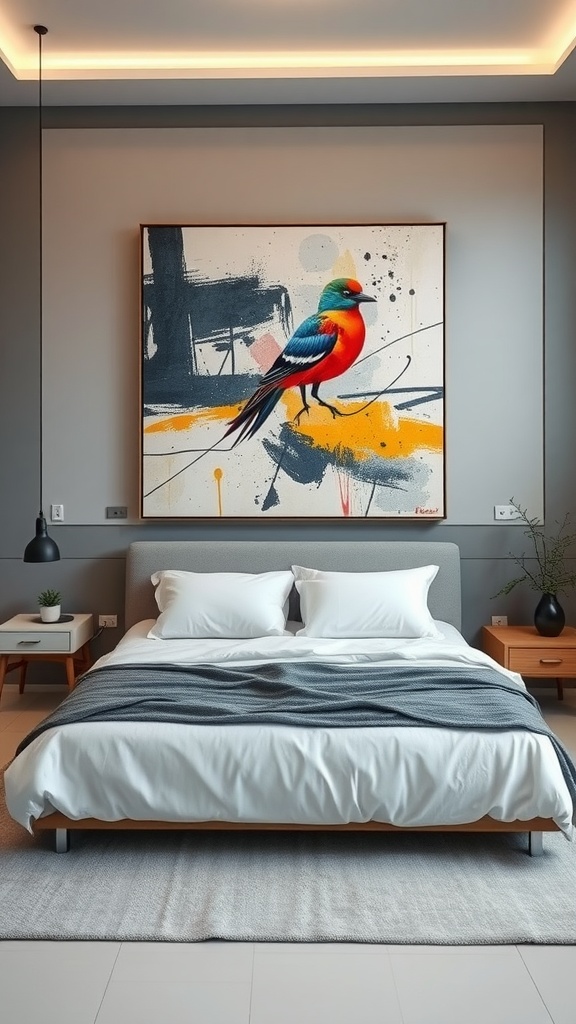
2. One Bold Artwork
Against white linens and clean lines, a single colourful piece carries the entire room's personality. One large work always beats several small ones in a modern scheme.
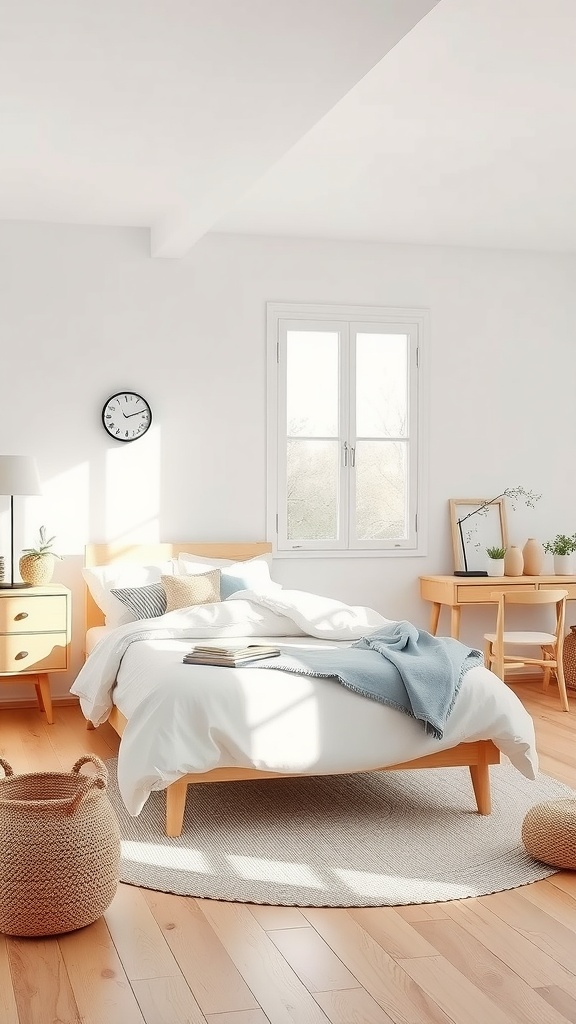
3. Scandinavian Minimalism
Light wood, pale walls and abundant daylight — the most liveable branch of modern design, and the easiest to maintain over years.
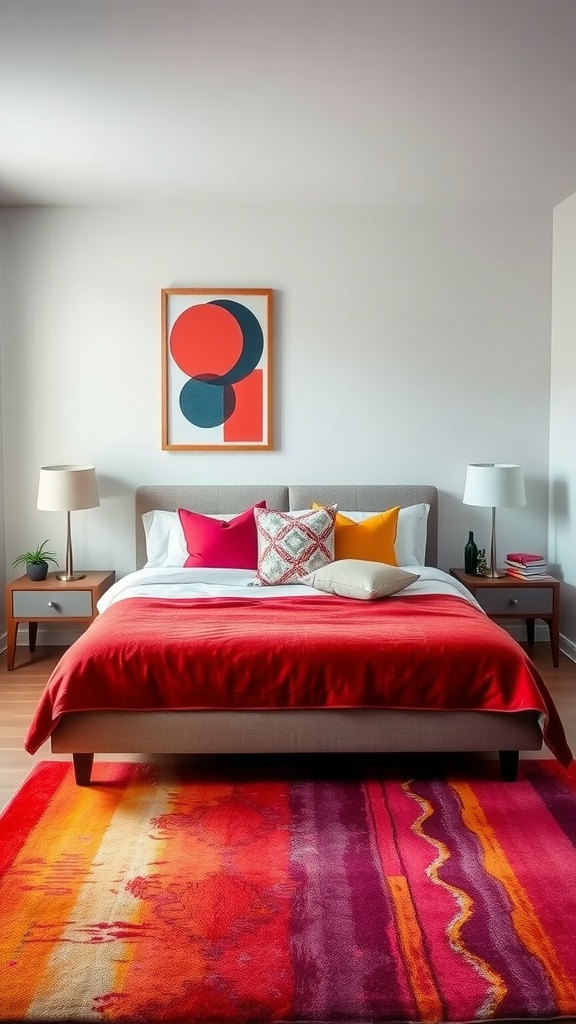
4. A Decisive Colour Accent
A neutral room with one saturated colour is textbook modern. Keep the accent to roughly 10% of the scheme and repeat it two or three times so it reads intentional.
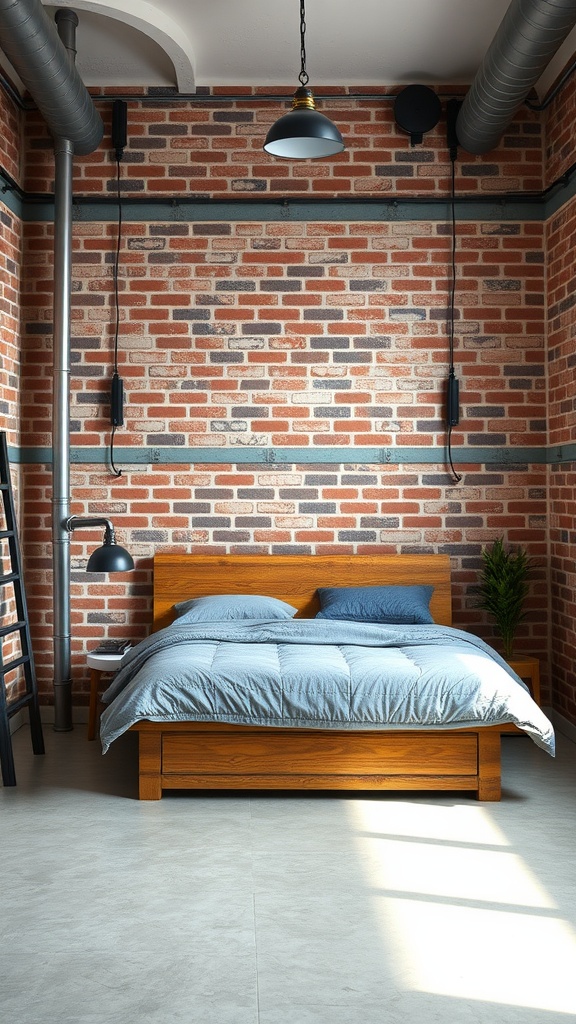
5. Industrial Edge
Exposed brick and black metal bring raw texture to modern's clean geometry. Warm wood and 2700 K lighting stop the hard materials feeling cold.
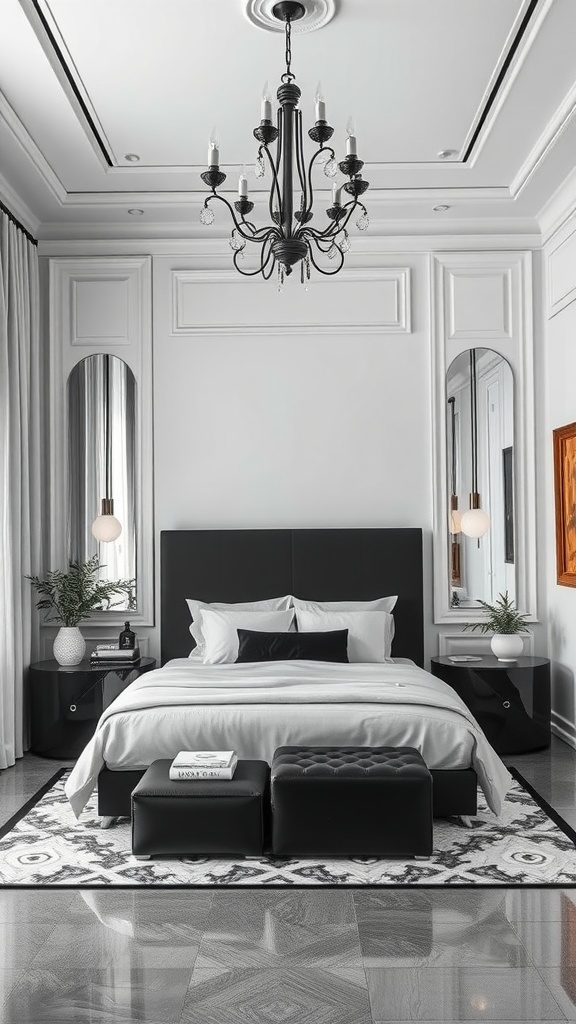
6. Monochrome
Black and white is modernism at its most graphic and decisive. Add texture — boucle, wood, linen — or the high contrast can read flat and severe in person.
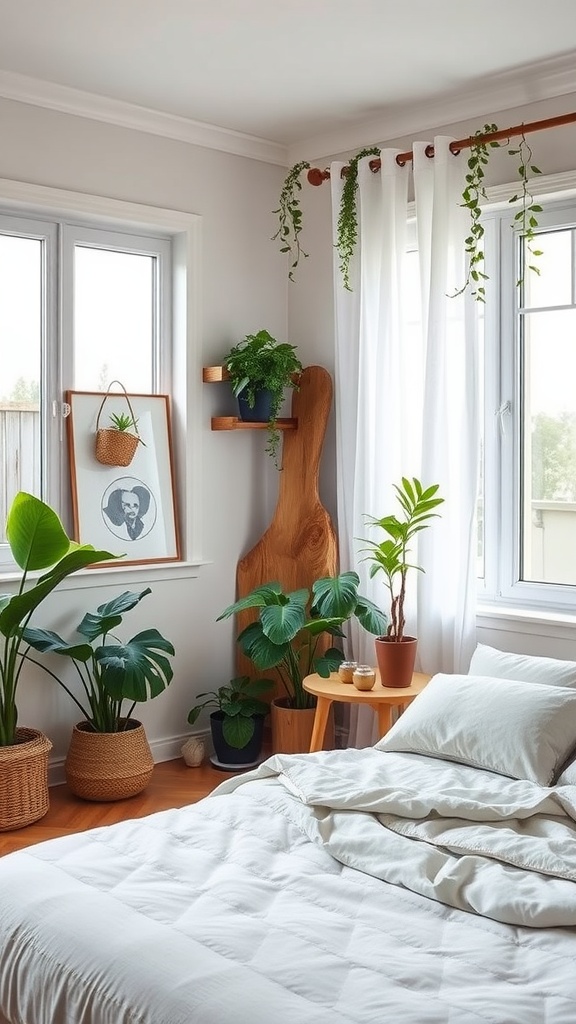
7. Plants as Sculpture
Greenery softens modern's hard geometry. Choose a few structural specimens with strong silhouettes rather than many small pots — form matters here.
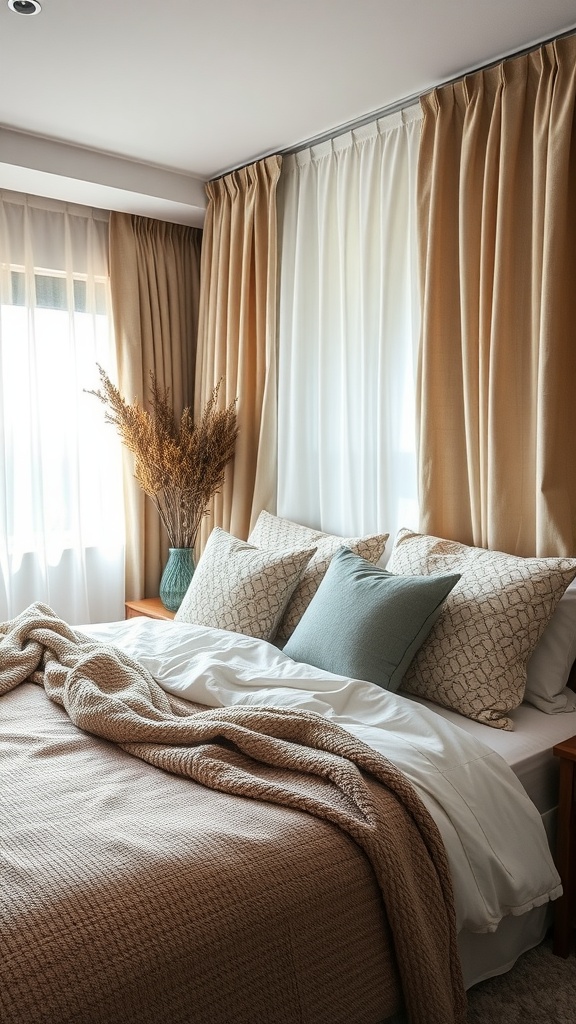
8. Layered Neutral Textures
Texture is what prevents a minimal room from feeling austere. Within one neutral palette, mix linen, wool, boucle and wood so the eye finds depth without colour.
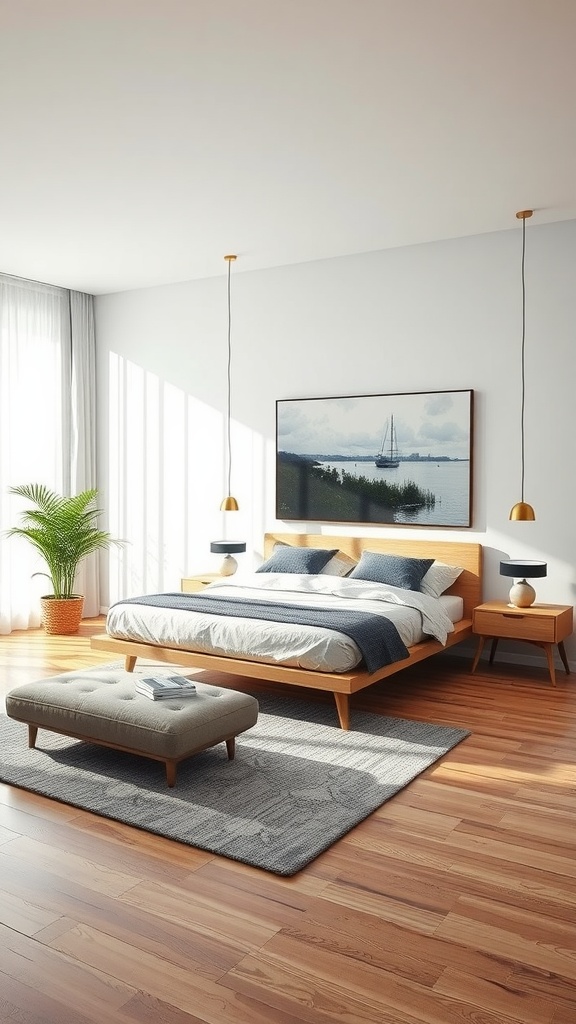
9. Floating Furniture
Wall-mounted nightstands and consoles let the floor run visually unbroken, which makes any room feel larger and lighter. A signature modern move.
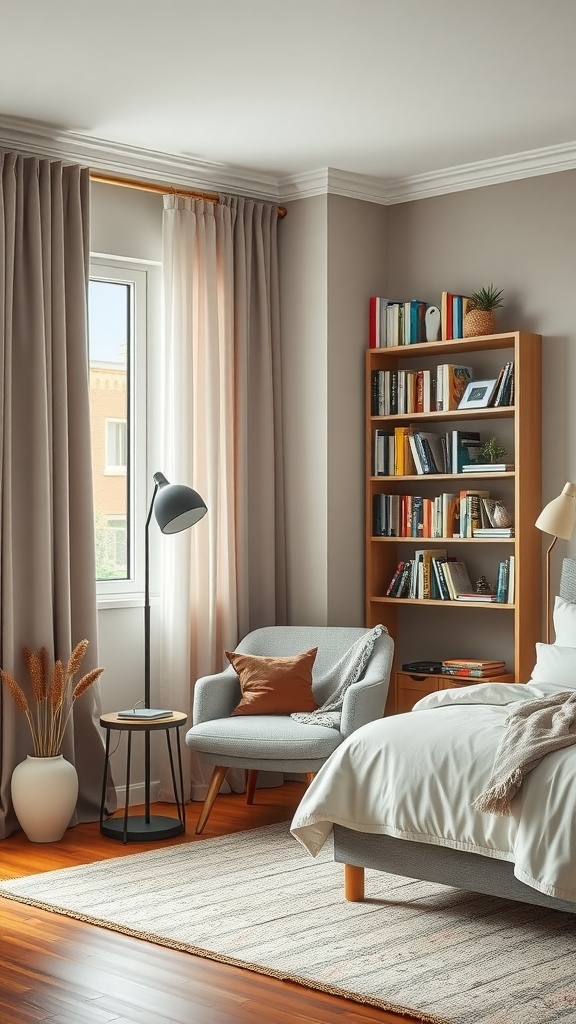
10. A Clean-Lined Reading Chair
One well-designed armchair with slim legs adds function and form. Modern rewards buying a single excellent piece over several mediocre ones.
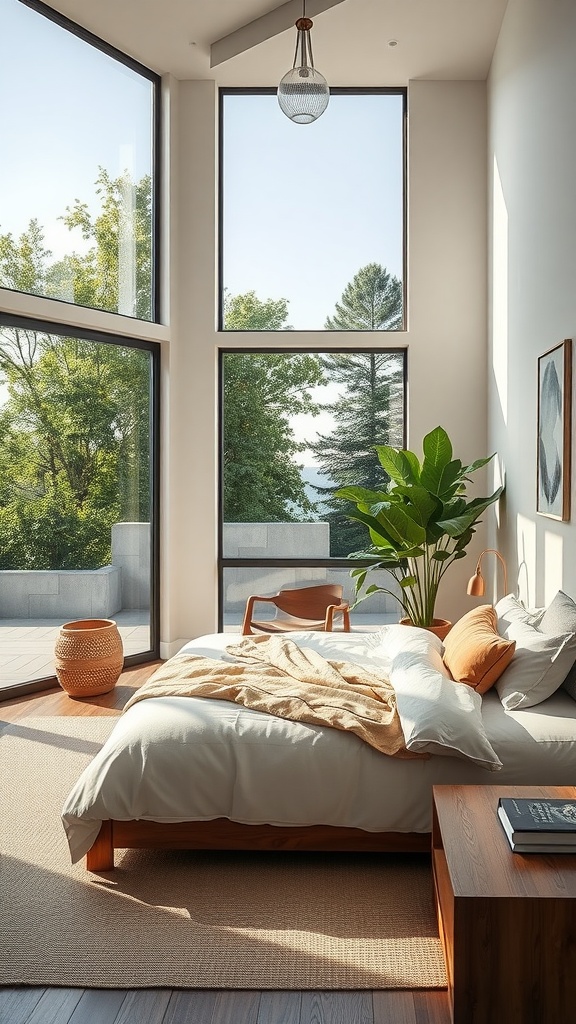
11. Connect to the Outdoors
Large windows and an unobstructed view are core to modernist thinking. Keep window treatments minimal so the glazing itself becomes the feature.
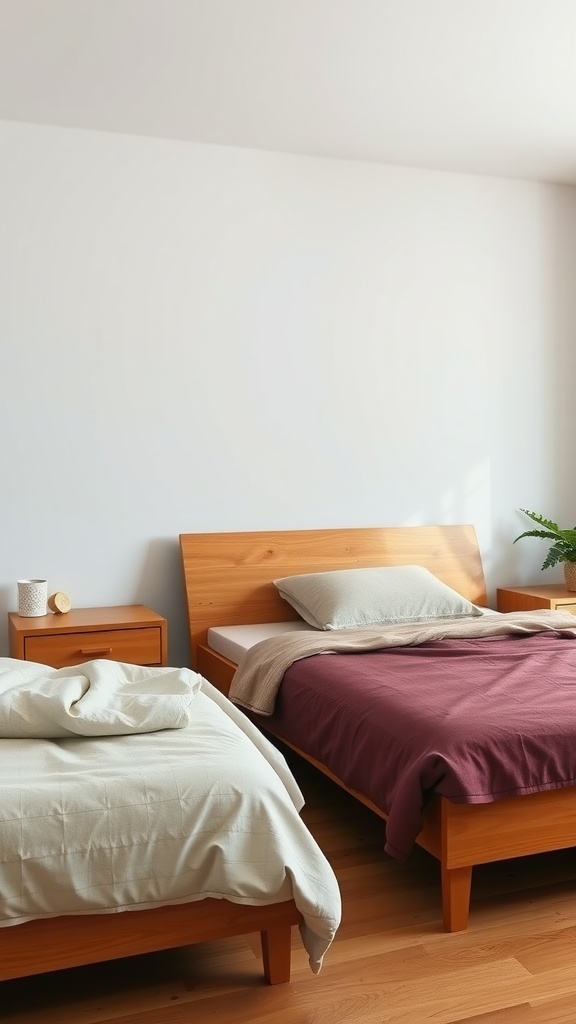
12. Warm Wood Finishes
Walnut, oak and teak are what stop modern from feeling clinical. Wood is the warmth in an otherwise cool, restrained palette.
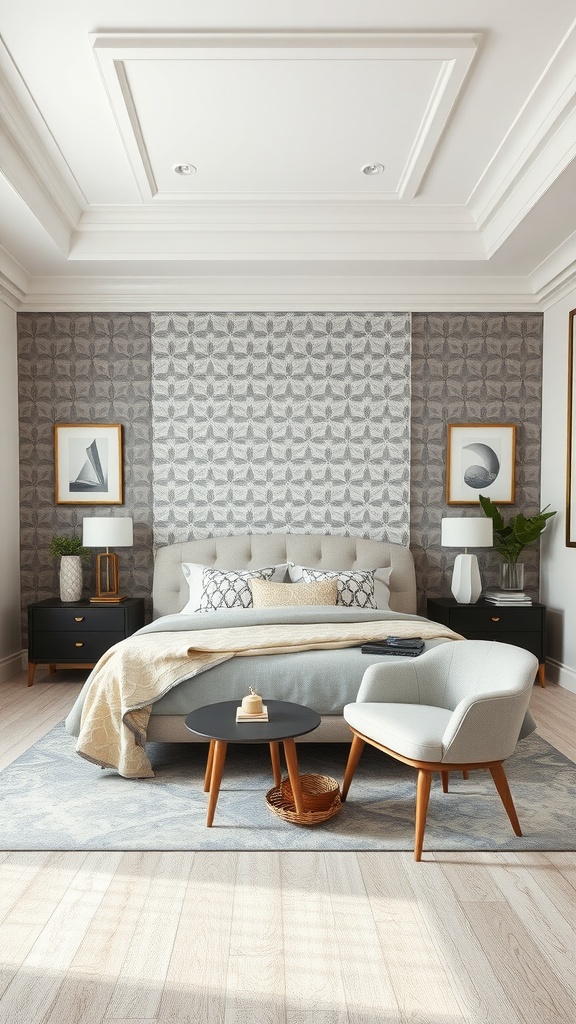
13. Geometric Pattern
Geometry is modern's preferred ornament — structured rather than decorative. Confine it to one surface and keep everything else plain.
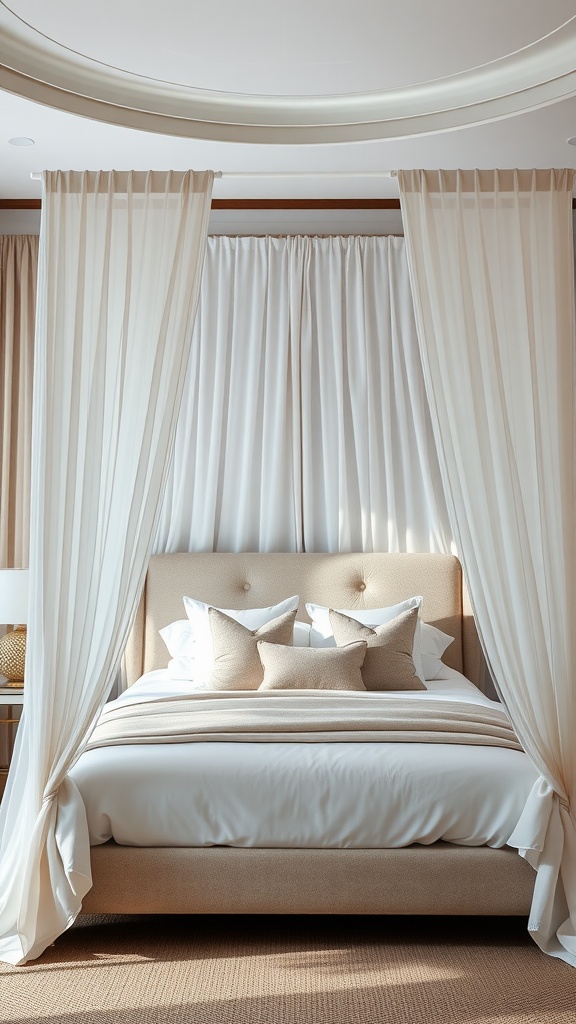
14. A Minimal Canopy Frame
A slim four-poster with no drapery, or the barest sheer, gives architectural structure without heaviness — the modern take on a canopy.
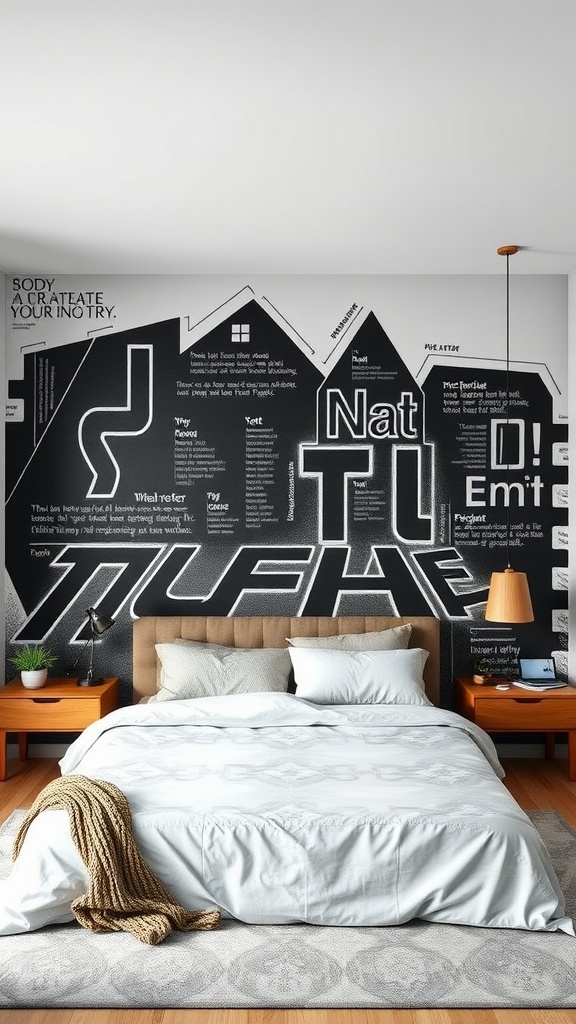
15. An Abstract Mural
A large-scale abstract wall turns the room's biggest surface into its focal point — high impact, and often the cheapest transformation available.
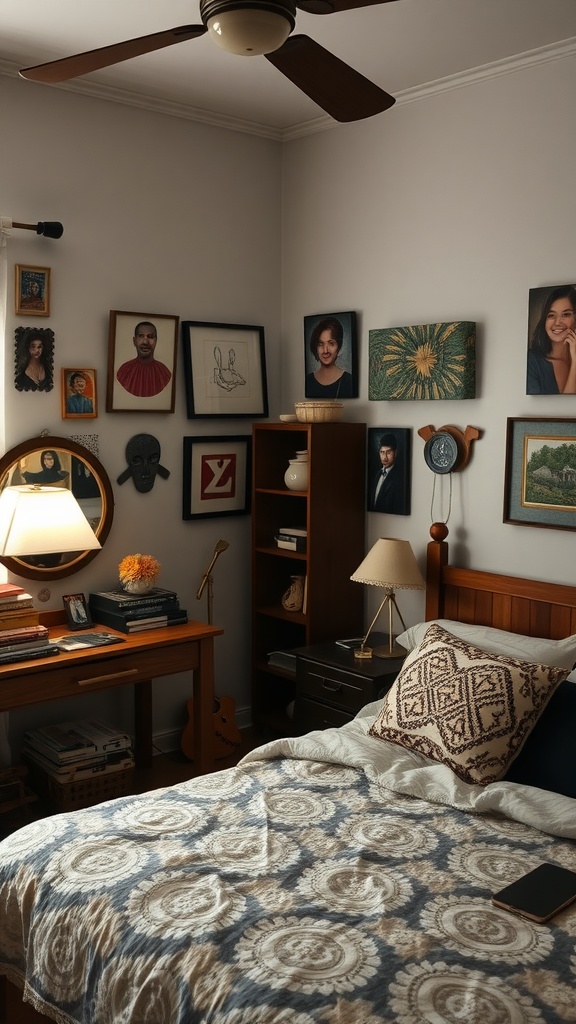
16. Personalised but Edited
Modern doesn't mean impersonal — it means selective. Display a few meaningful objects with real space around them rather than filling every shelf.
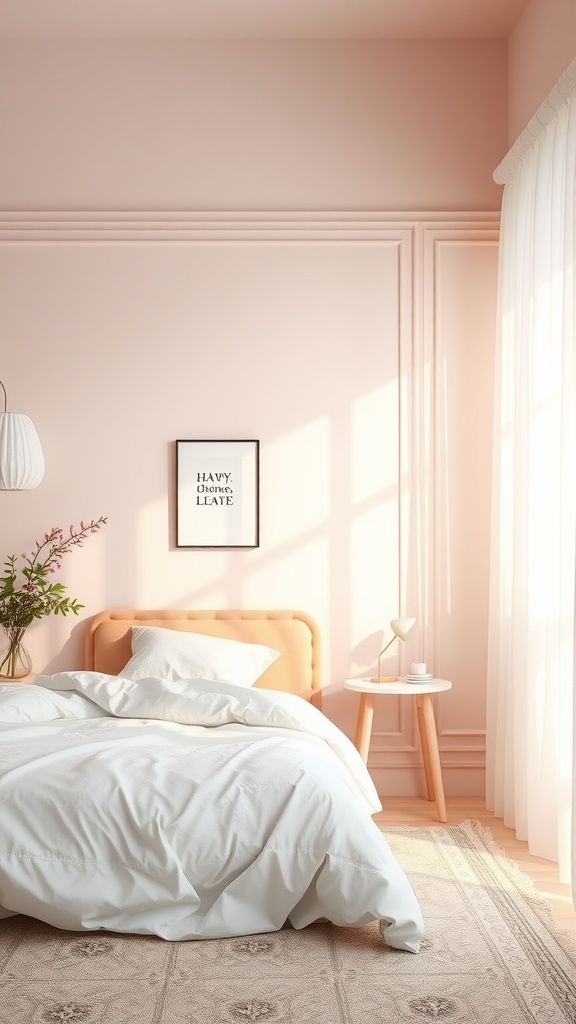
17. Soft Pastel Modern
A muted pastel wall with clean-lined furniture gives modern a gentler, warmer feel while keeping the discipline of the forms intact.
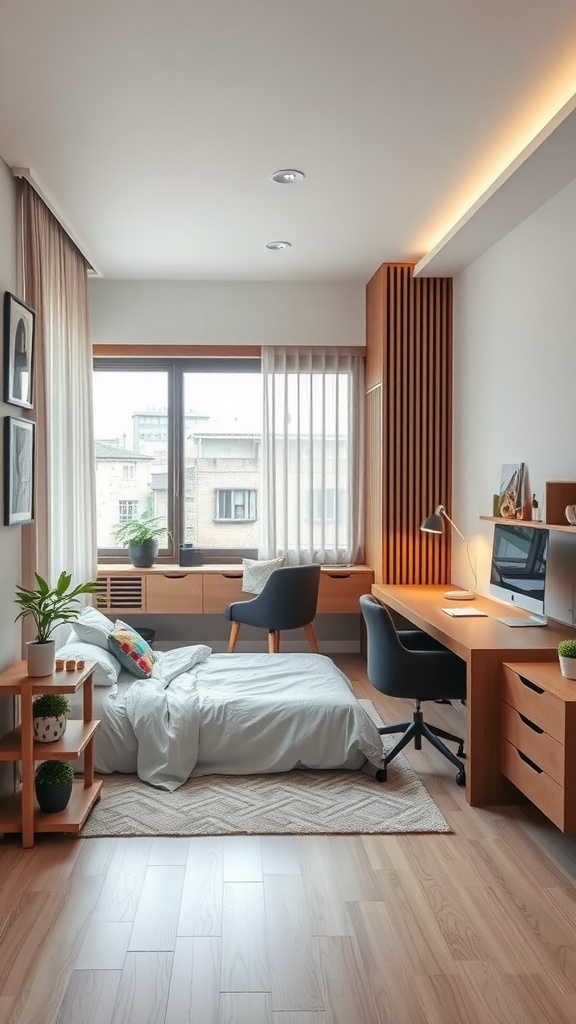
18. Function-First Layout
Modernism began with function. Plan the room around how you actually use it — sleep, work, dress — and let the layout follow that honestly.
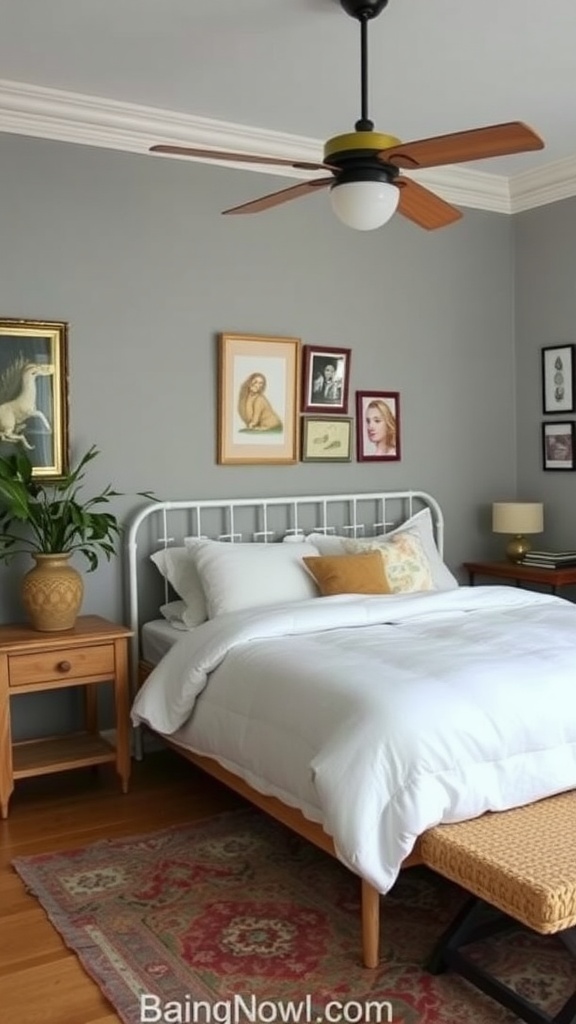
19. Vintage-Modern Fusion
One or two older pieces against clean modern lines add soul and stop the room feeling like a showroom. Contrast in age, consistency in palette.
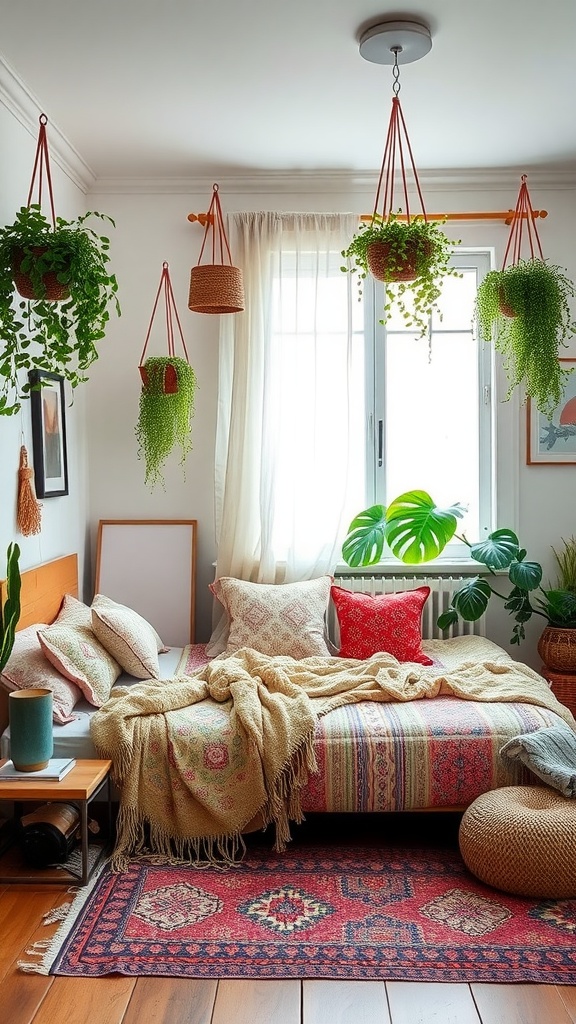
20. Modern Boho
Clean architecture with layered textiles and plants — the structure keeps boho tidy, and boho keeps the structure warm. A genuinely successful hybrid.
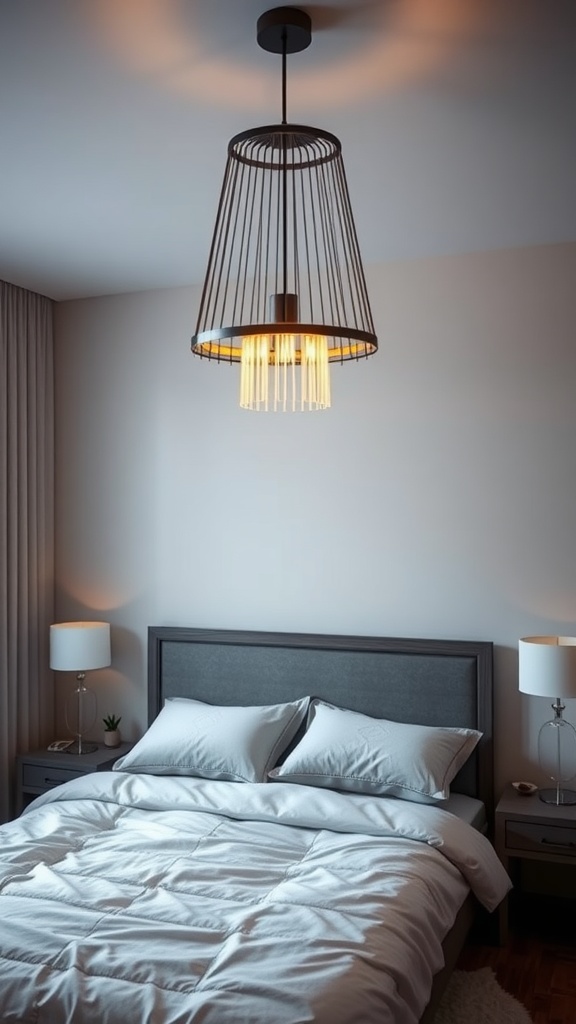
21. A Sculptural Pendant
In a pared-back room the light fitting becomes the jewellery. Choose a strong geometric form and hang it centred over the bed on a dimmer.
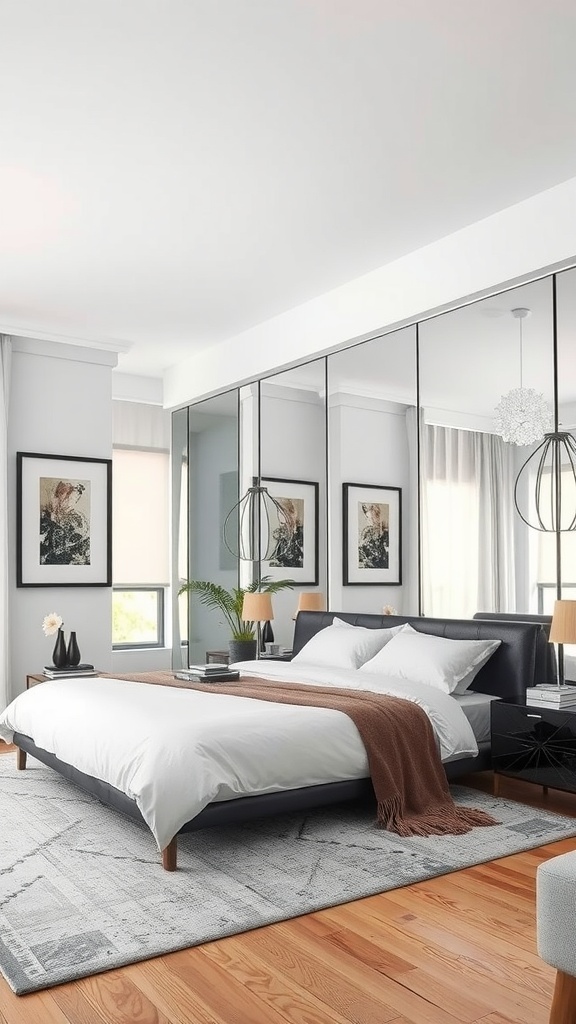
22. Mirrored Surfaces
Mirror visually dissolves furniture and doubles light — useful in smaller modern rooms where you want storage without visual bulk.
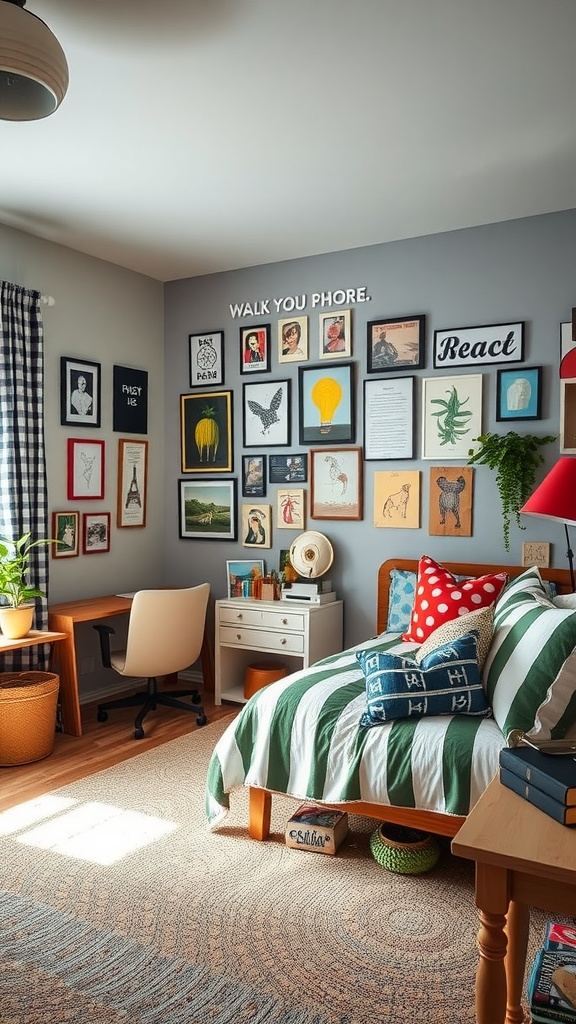
23. Playful Eclectic Modern
Modern furniture is a superb frame for colour and pattern precisely because its forms are so simple. Keep the shapes disciplined and let the decor be loud.
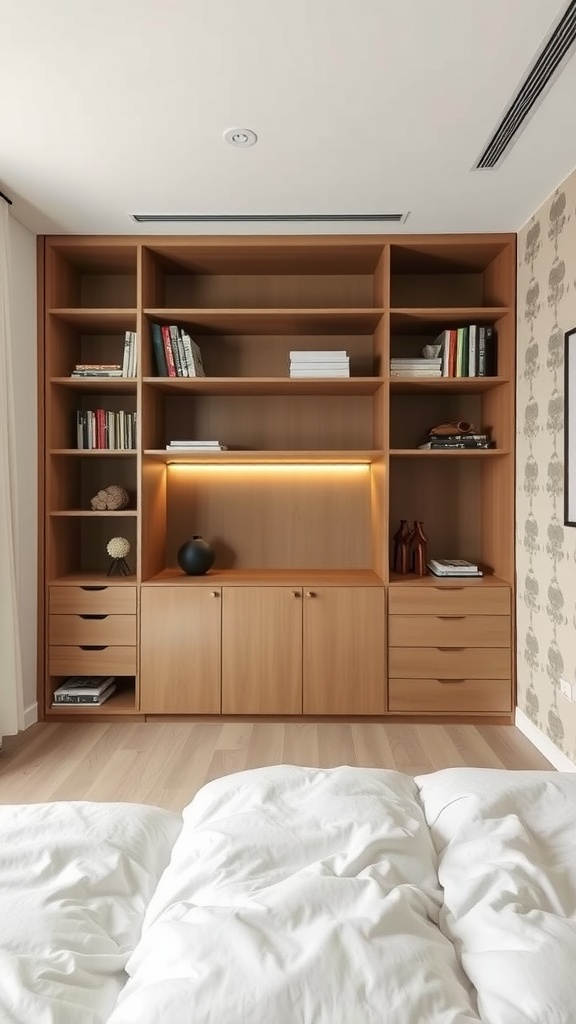
24. Concealed Storage
Modern depends on clear surfaces, which requires generous closed storage. Flat, handleless fronts keep the wall plane calm and unbroken.
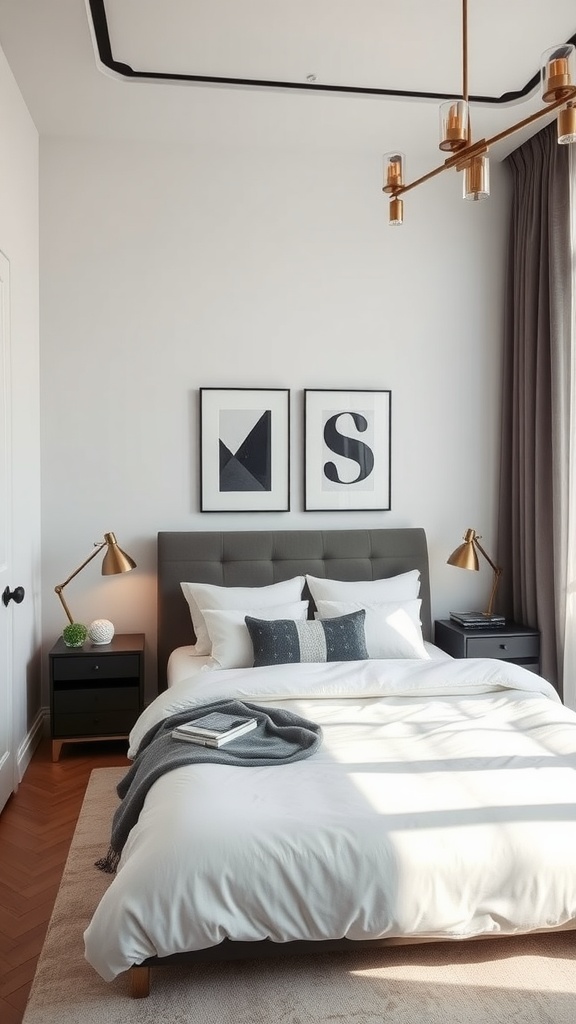
25. An Upholstered Headboard
A simple grey upholstered headboard adds softness and a comfortable backrest without ornament — modern comfort at its most restrained.
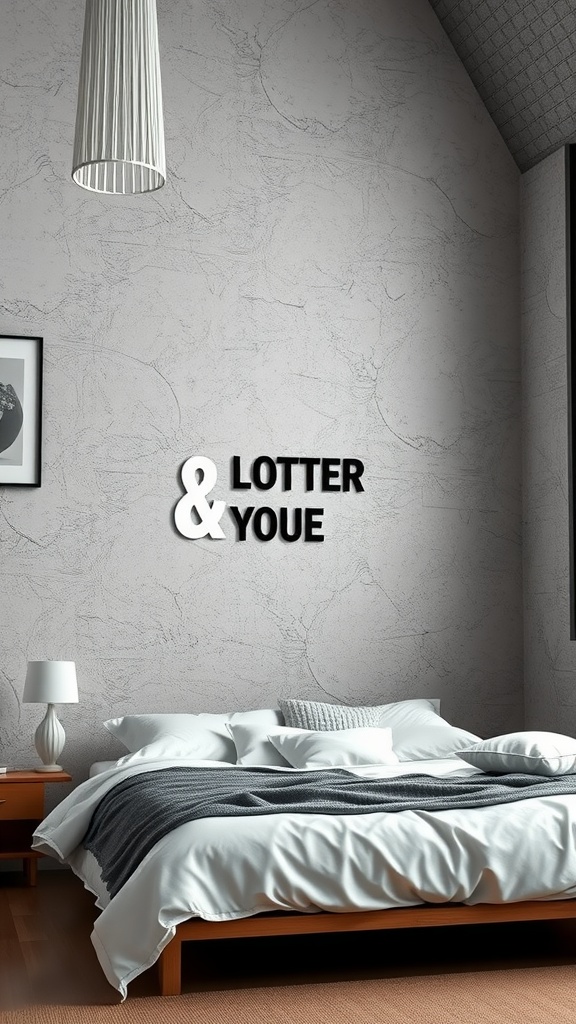
26. Textured Wall Finish
Microcement, plaster or fine render gives a wall depth while staying completely plain in colour — texture as the modern alternative to pattern.
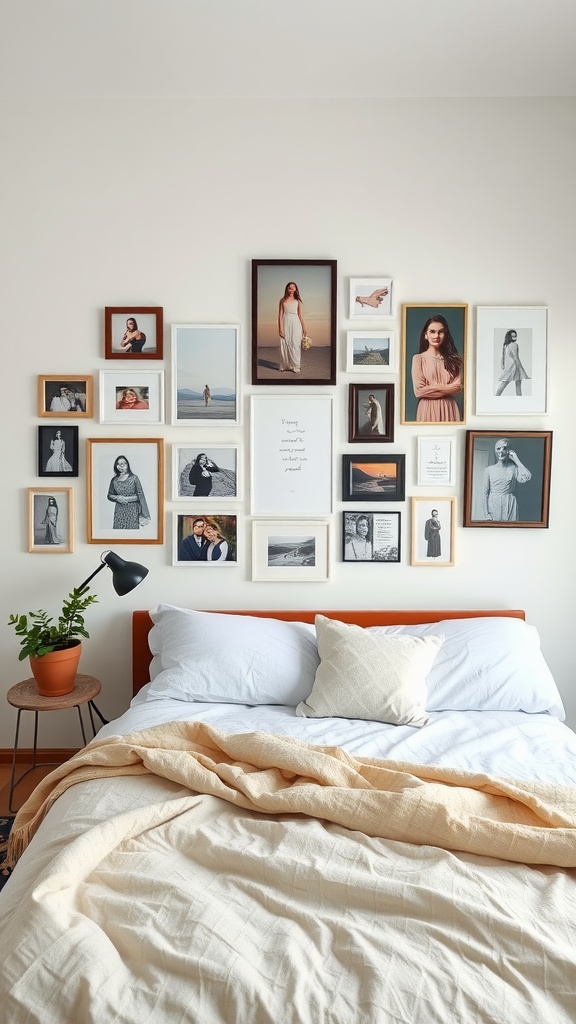
27. A Structured Gallery Wall
Modern gallery walls use a grid, identical frames and even spacing. The order is the design — organic clustering belongs to other styles.
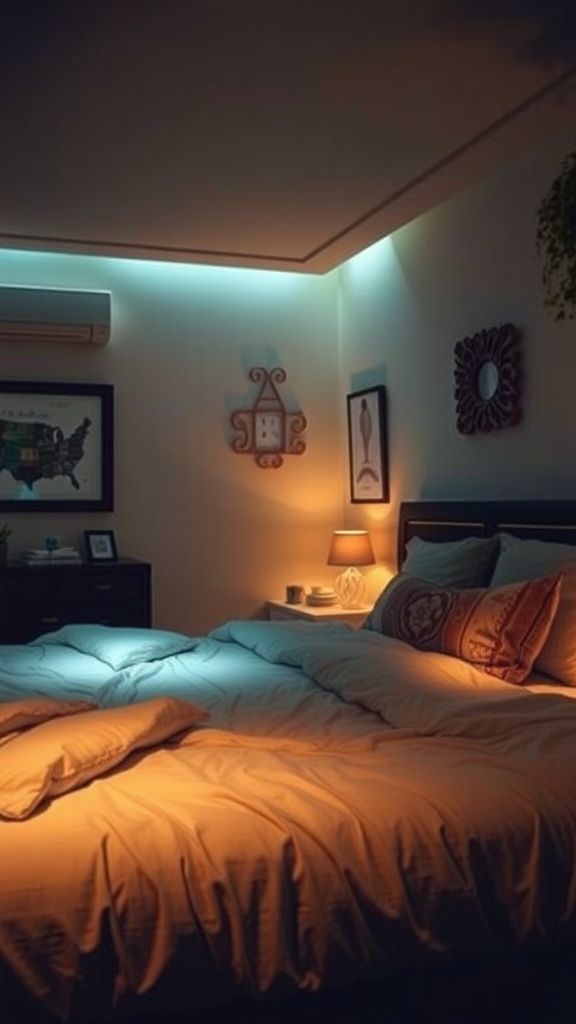
28. Concealed Ambient Light
Hidden warm LED strips behind a headboard or along a cove create glow with no visible source — a distinctly modern effect and cheap to install.
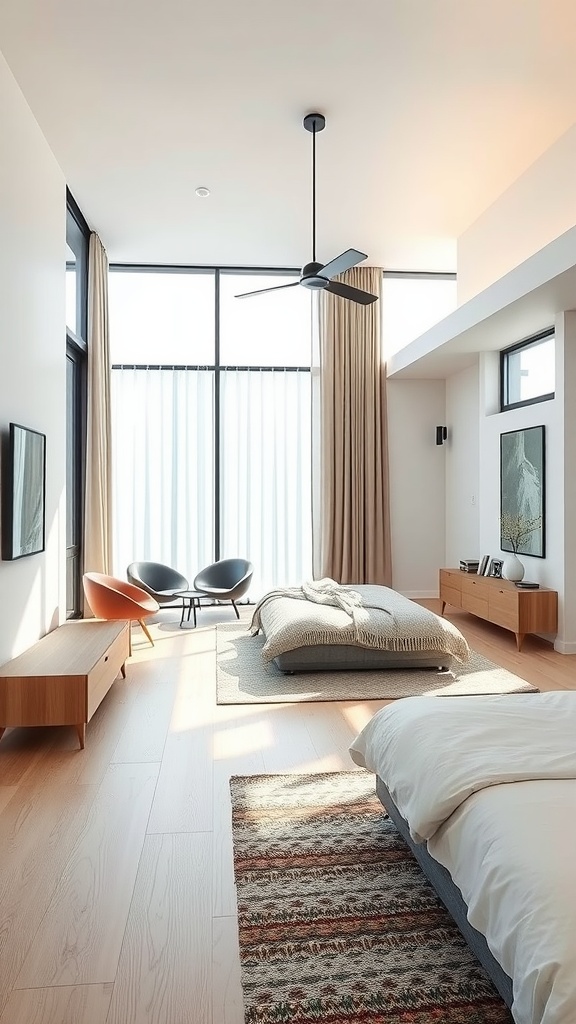
29. Open, Uncrowded Layout
Modernism prizes flow. Leave generous circulation space and resist filling every corner — the emptiness is a feature of the design.
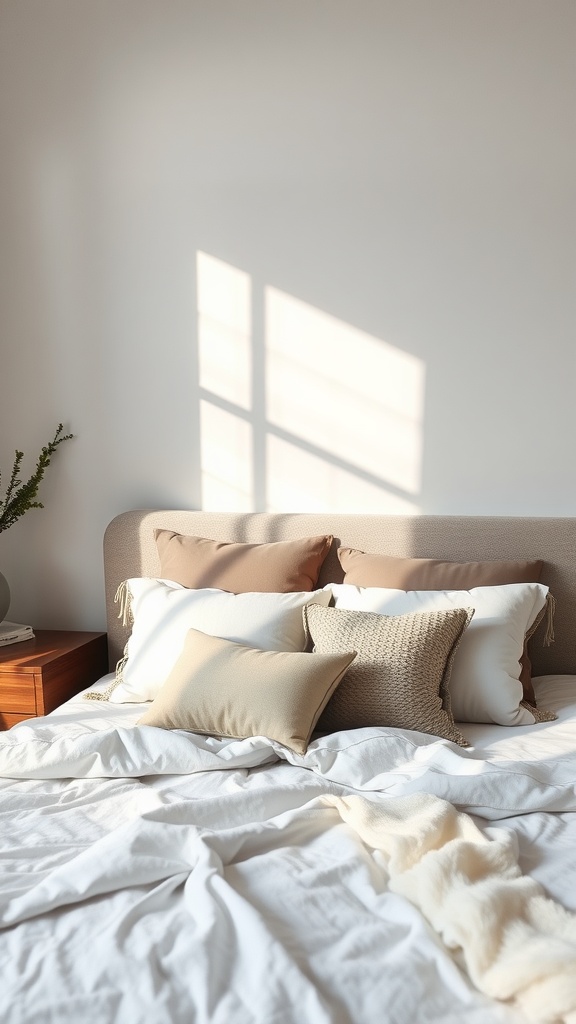
30. Layered Bedding
Even in a minimal room, the bed should look inviting. Layer duvet, throw and a few cushions in one tonal family for comfort without clutter.
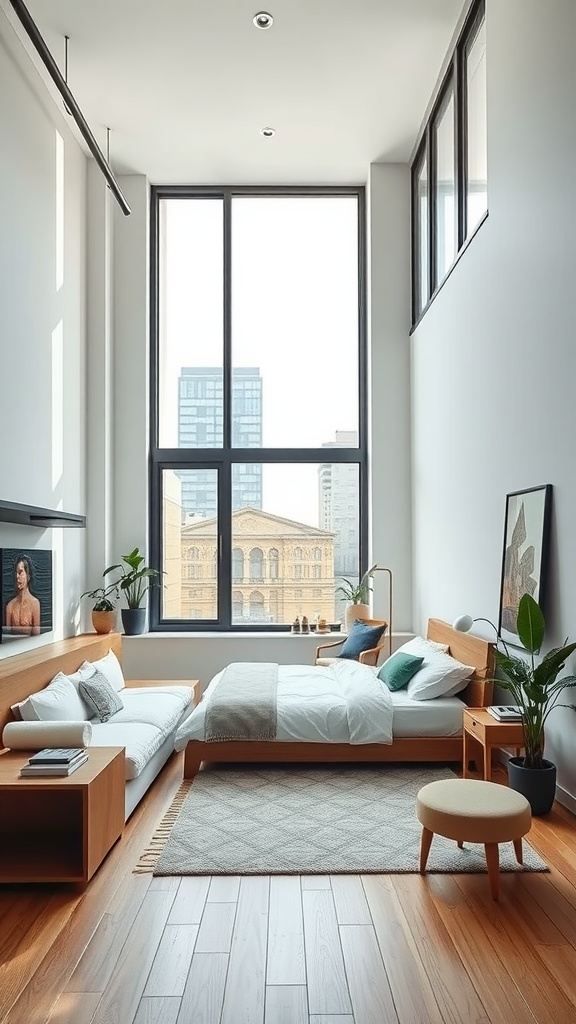
31. Urban Loft
Big windows, open volume, wood and greenery — loft style is modernism scaled up, and it suits apartments with good light particularly well.
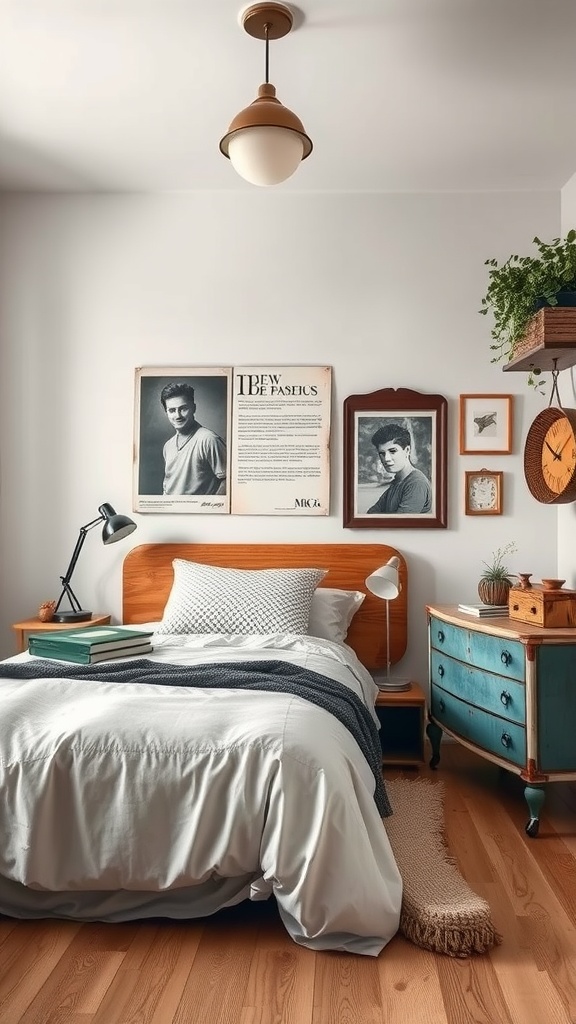
32. A Single Vintage Statement
One characterful older piece — a painted dresser, a mid-century chair — anchors a modern room and gives it history. Just one; more and the style shifts.
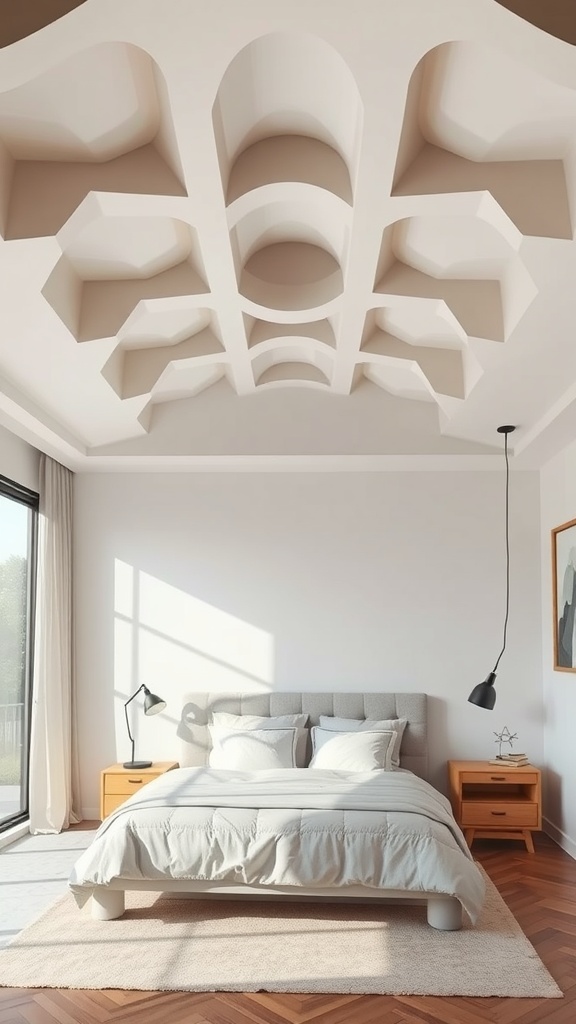
33. A Sculpted Ceiling
Curves, recesses and coves turn the ceiling into architecture. Pair with concealed lighting and the fifth wall becomes the room's most striking surface.
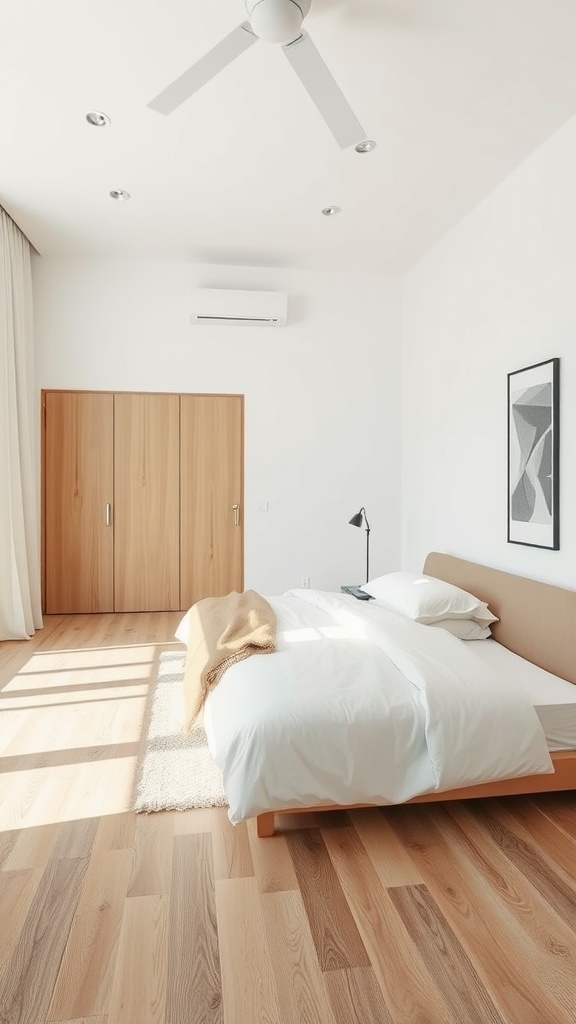
34. Continuous Flooring
An unbroken run of wood or large-format tile makes the whole space read bigger. Fewer transitions equals a calmer, more modern floor plane.
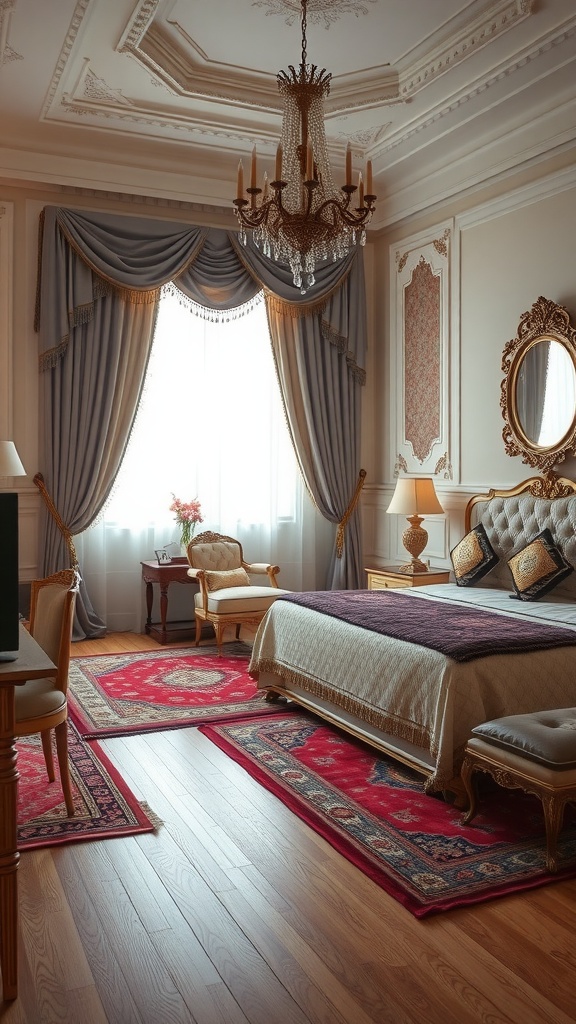
35. Quality Textiles
With so little ornament, material quality is highly visible. Good linen, wool and full-length curtains are where a modern bedroom earns its polish.
Modern bedroom FAQ
What colours suit a modern bedroom best? A neutral base — white, grey, greige or charcoal — with warm wood and one saturated accent. Modern schemes are defined by restraint in colour count, not by any particular hue.
Is modern the same as minimalist? No. Minimalism is about reduction to the absolute essentials. Modern is about clean lines, function and honest materials — it can include colour, pattern and comfort, as long as the forms stay simple and uncluttered.
How do I make a modern bedroom feel warm rather than cold? Three things: warm wood, layered natural textiles, and 2700 K lighting. Cold modern rooms almost always fail on those, not on the furniture.
Can a modern bedroom work in an older house? Yes, and the contrast is often the appeal. Keep the period features — cornicing, fireplaces, sash windows — and furnish modern; the tension between old shell and clean furniture is a well-established, sophisticated look.
How to modernise a bedroom on a budget
Modern is one of the cheapest styles to move toward, because most of the work is removal and correction rather than purchase.
Start with what's free. Clear every surface, take down anything ornamental that doesn't earn its place, and remove excess furniture. Modern's defining quality is negative space, and you already own that — you just have to uncover it. Tidying cables and wall-mounting the TV costs almost nothing and immediately sharpens the room.
Under £100. Swap bulbs to warm 2700 K and fit a dimmer. Replace fussy handles with plain, simple hardware — this single change modernises dated furniture more effectively than almost anything else. Paint an accent wall or the whole room in a clean neutral. Hang curtains close to the ceiling and wide of the frame so the proportions read taller.
Where to invest. If you buy anything, buy a low-profile bed frame or a headboard — the bed sets the room's whole geometry. After that, one sculptural light fixture delivers more visual impact than any quantity of accessories.
The furniture trick. You often don't need new furniture at all: raising existing pieces on slim tapered legs, or replacing a bulky nightstand with a wall-mounted shelf, gives you modern's floating lightness for a fraction of replacement cost.
Common modern bedroom mistakes
- Cold, sterile results — caused by missing wood, texture and warm light, not by the style itself.
- Too many accent colours — modern needs one, repeated, not three competing.
- Visible clutter and cables — nothing undermines clean lines faster.
- Bulky, ground-hugging furniture — raised legs and floating pieces are what create modern's lightness.
Final thought
A modern bedroom isn't about buying new things — it's about editing. Simplify the forms, hold the palette to a neutral base plus one accent, lift furniture off the floor, and light it warmly in layers. What's left will feel calm, current and quietly considered.

Sources & principles referenced
- The modern design movement (c.1920s–1960s) versus contemporary style.
- Modernist principles of function, honest materials and negative space.
- Low-profile and raised-leg furniture for visual lightness.
- Neutral-plus-accent palettes and the 60-30-10 rule.
- Layered warm lighting (2700 K) and concealed sources.