
Most vintage bedroom ideas skip the single most important decision: which vintage? A 1930s Art Deco room and a 1970s retro room are both "vintage," and mixing them without a plan produces a jumble rather than a look. These 33 ideas cover the major eras and styles, plus how to choose one, how to source real pieces cheaply, and how to keep a vintage bedroom feeling collected rather than like a museum display.
Vintage vs. antique vs. retro
The terms get used interchangeably but mean different things. Antique generally means 100 years old or more. Vintage usually refers to genuine pieces roughly 20–100 years old, with a recognisable period character. Retro means new items made to imitate an older style — retro looks vintage but isn't. All three can work in a bedroom; knowing which you're buying protects you from paying antique prices for reproduction furniture.
First decision: pick your era
Almost every successful vintage bedroom commits to one period as its backbone:
- Victorian — dark carved wood, four-posters, rich drapery, deep colours.
- Art Deco (1920s–30s) — geometry, symmetry, brass, lacquer, bold contrast.
- Mid-century modern (1950s–60s) — teak, tapered legs, clean lines, warm optimistic colour.
- Retro 70s — earthy oranges and browns, pattern, texture, softer shapes.
- Cottage / shabby chic — painted furniture, florals, pastels, gentle wear.
- French provincial — curved carved frames, cream and gilt, chandeliers.
Choose one to lead, and let anything else stay a supporting accent.
The 80/20 rule: don't build a museum
The most common vintage mistake is period-perfect overload — a room where every object is old ends up feeling like a display case rather than somewhere you sleep. The reliable ratio is roughly 80% neutral or contemporary base, 20% genuine vintage. Keep bedding, walls and lighting simple and current, and let a handful of real period pieces carry the character. The contrast is exactly what makes the old pieces stand out.
How to buy vintage furniture well
Charity shops, estate sales, auction houses and online marketplaces are where the value is. When inspecting a piece, check: joinery (dovetails and mortise-and-tenon signal quality; staples and particleboard don't), structural soundness (wobble, woodworm holes, water damage), drawers (do they slide?), and smell (persistent damp or smoke is very hard to remove from upholstery). Surface scratches, faded finish and worn edges are fine — that patina is precisely what you're buying, and over-restoring it destroys the value and the charm.
Lighting and palette
Older furniture was designed under warm, low light — incandescent, gas or candle — so it looks wrong under cool modern lighting. Use 2700 K or lower throughout and layer it. For colour, take your palette from the era: muted florals and pastels for cottage, deep jewel tones for Victorian, warm earth tones for the 70s, black and gold for Deco.
33 vintage bedroom ideas — and why each works
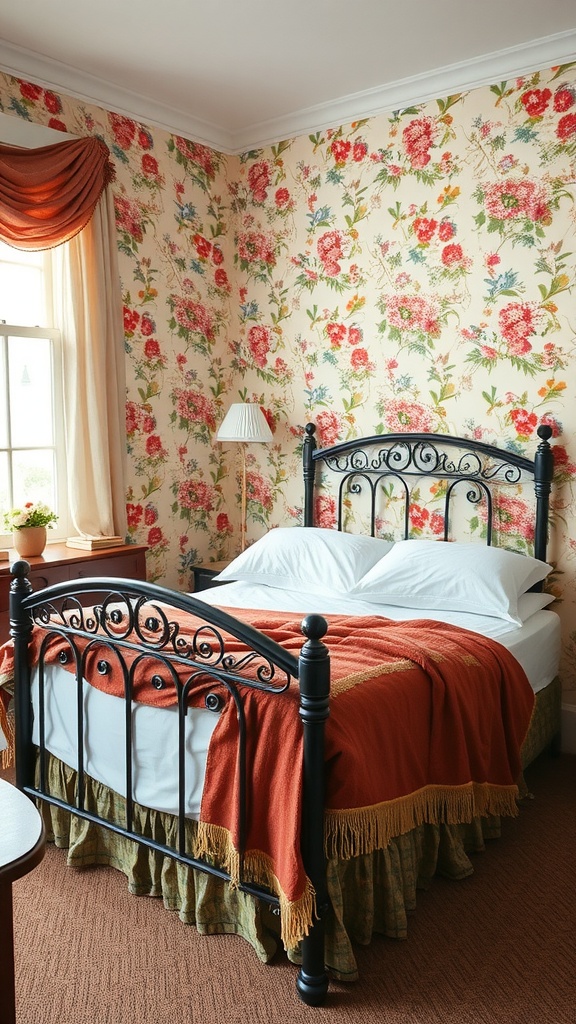
1. Cottage Charm
Floral wallpaper with a wrought-iron bed is the classic vintage cottage formula — and iron bedsteads are among the most common, affordable finds at salvage yards.
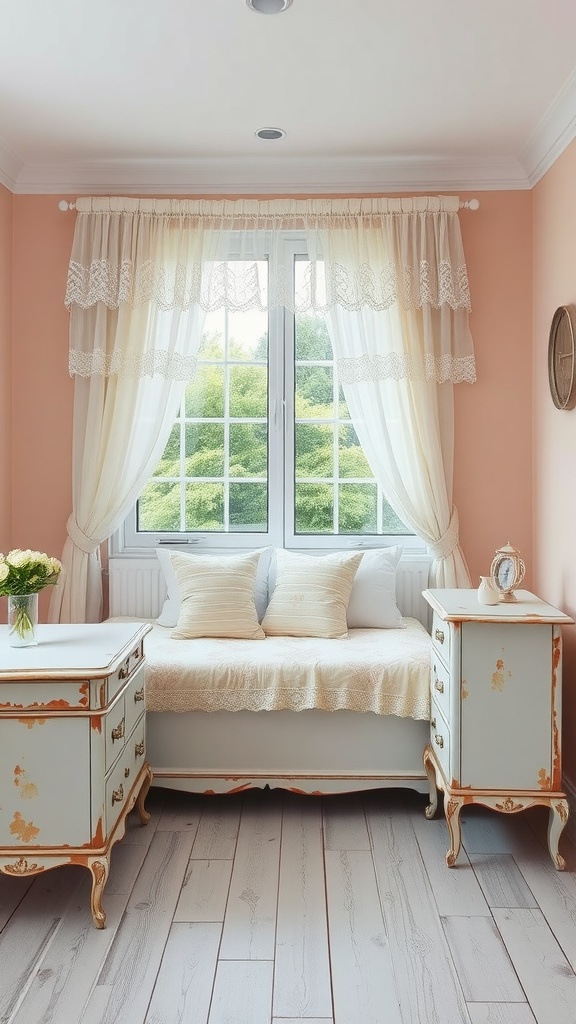
2. Shabby Chic
Painted furniture with deliberately distressed edges, pastels and lace. It's the most forgiving vintage style because imperfection is the entire aesthetic — flaws are features.
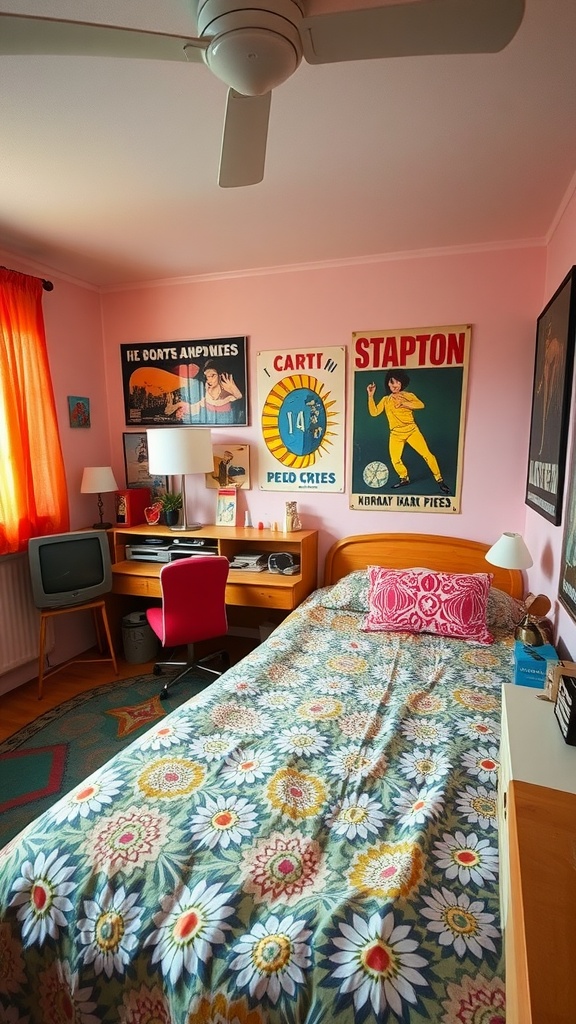
3. Retro 1970s
Warm pinks, oranges and browns with bold pattern and original posters. The 70s palette is having a genuine revival, and period prints are still cheap to source.
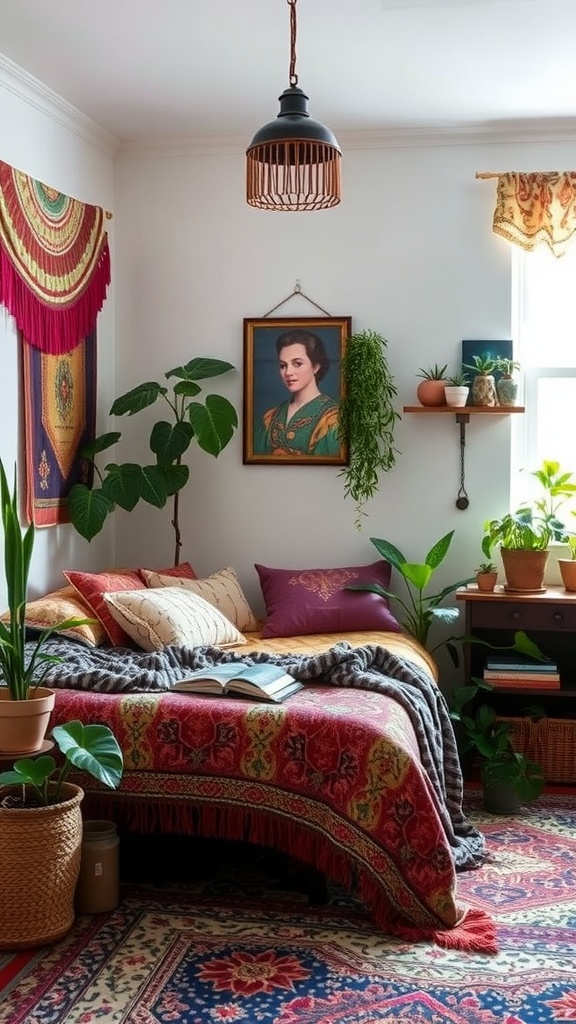
4. Bohemian Vintage
Layered vintage textiles and plants. Boho and vintage overlap naturally because both prize collected, secondhand pieces over matching sets.
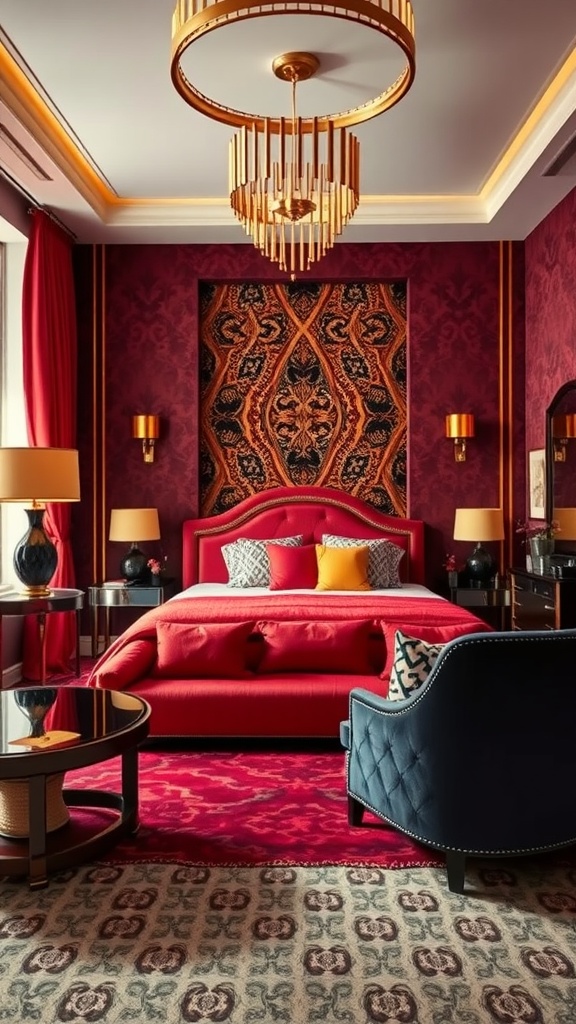
5. Art Deco Elegance
Geometry, symmetry and gold on a rich base. Deco is strict — its impact comes from disciplined repetition of shapes and metals, so commit fully or not at all.
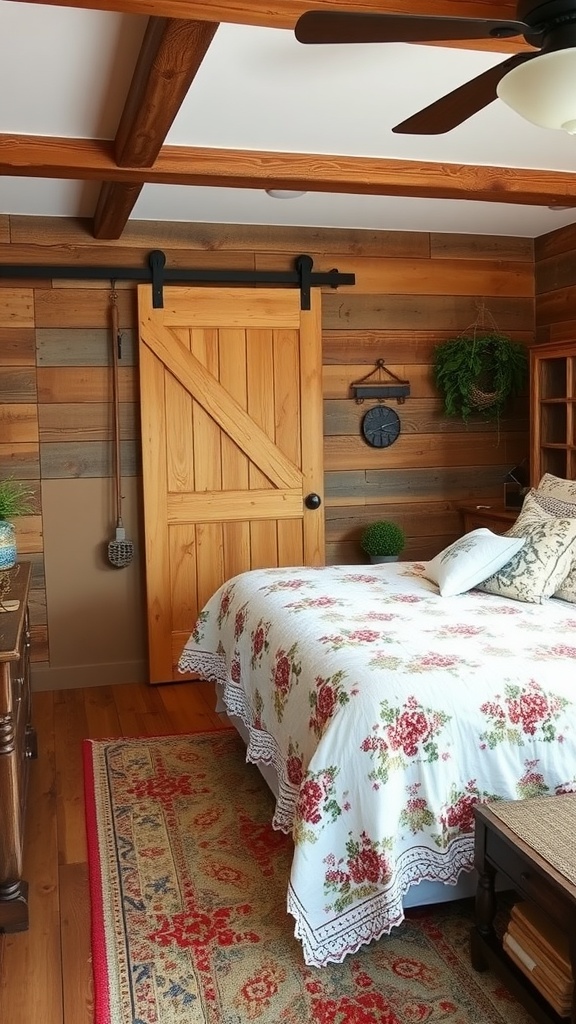
6. Vintage Farmhouse
Beams, barn doors and floral quilts. This is vintage at its most relaxed and liveable, and the quilts are reliably cheap in charity shops.
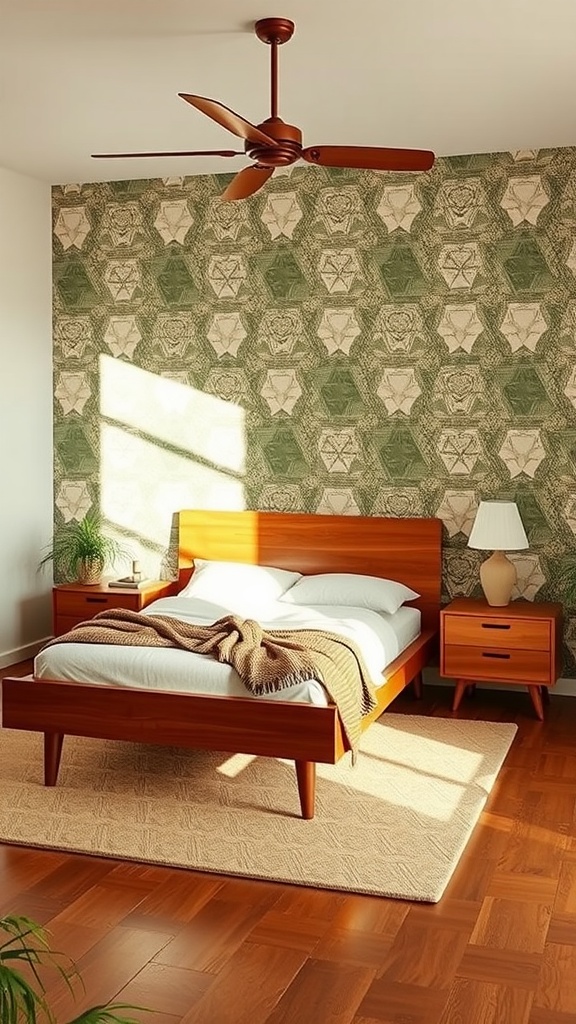
7. Mid-Century Modern
Teak, tapered legs and clean lines. MCM is the easiest vintage era to live with because its proportions still suit contemporary homes — and it holds resale value well.
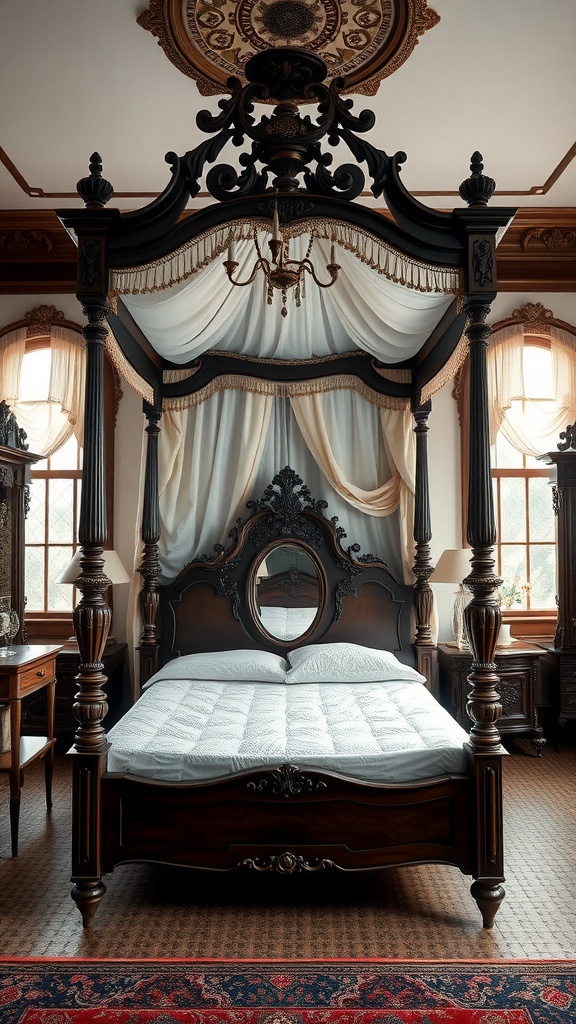
8. Classic Victorian
A carved four-poster and heavy drapery in deep colours. Victorian needs ceiling height and good layered lighting, or the dark timber can overwhelm the room.
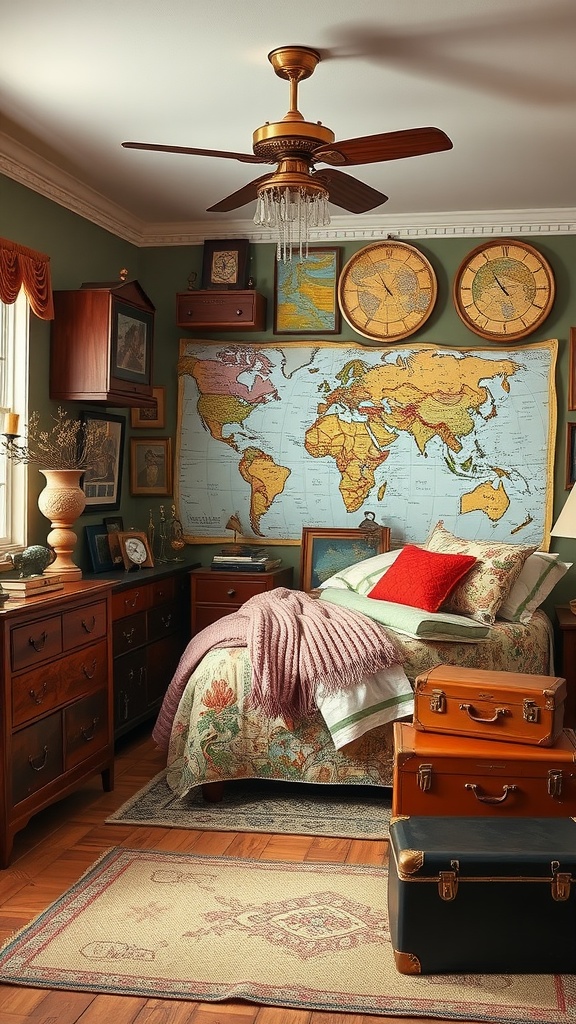
9. Vintage Travel
Map murals and stacked leather suitcases — which double as genuine storage. Old luggage is one of the best value-per-impact vintage buys around.
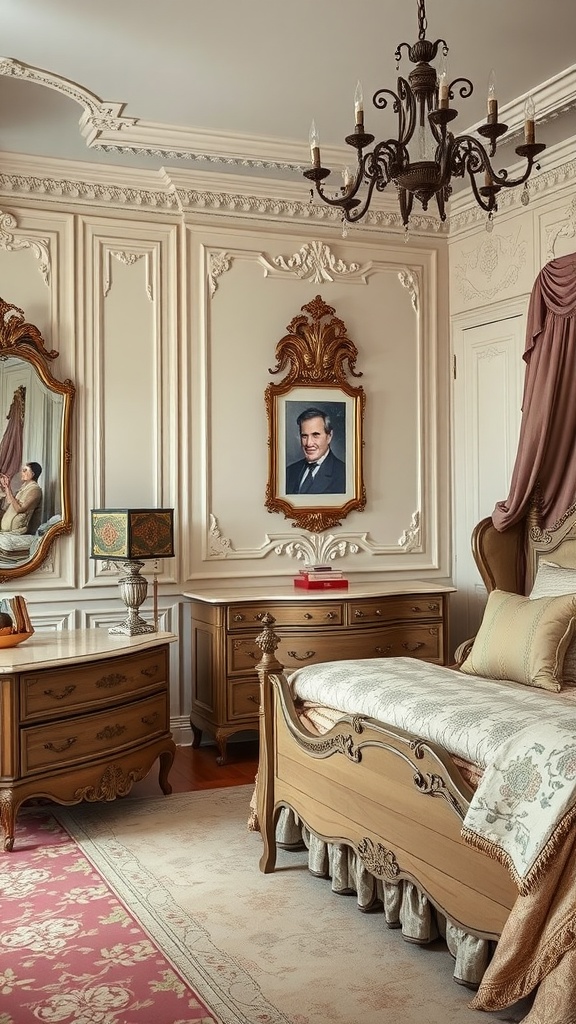
10. French Provincial
Curved carved frames, cream paint, gilt and a chandelier. Elegant and feminine — and painting a solid but unremarkable old frame cream gets you most of the way there.
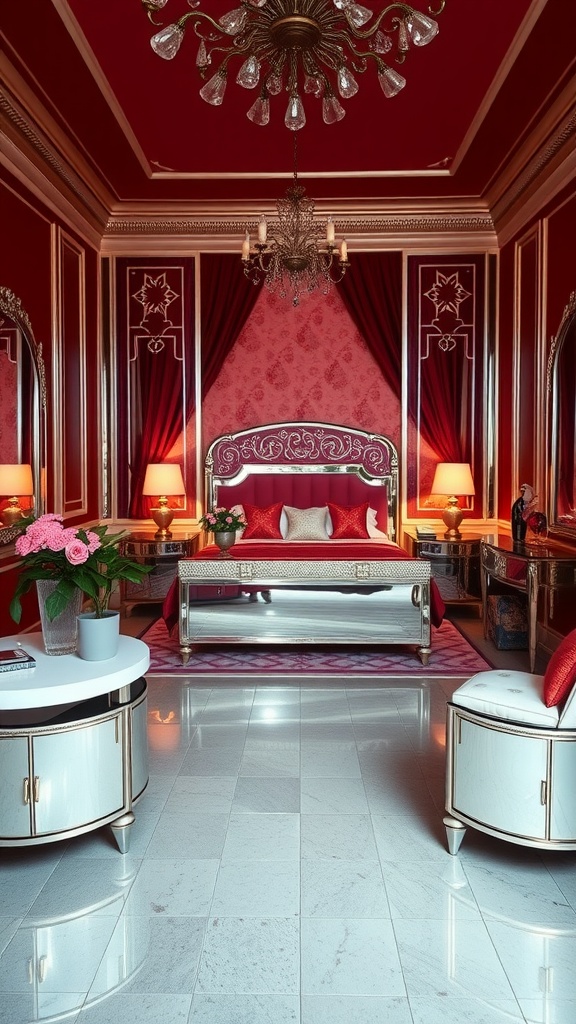
11. Hollywood Regency
Bold colour, high contrast, lacquer and mirror. Theatrical and confident — best suited to those happy for the bedroom to make a statement.
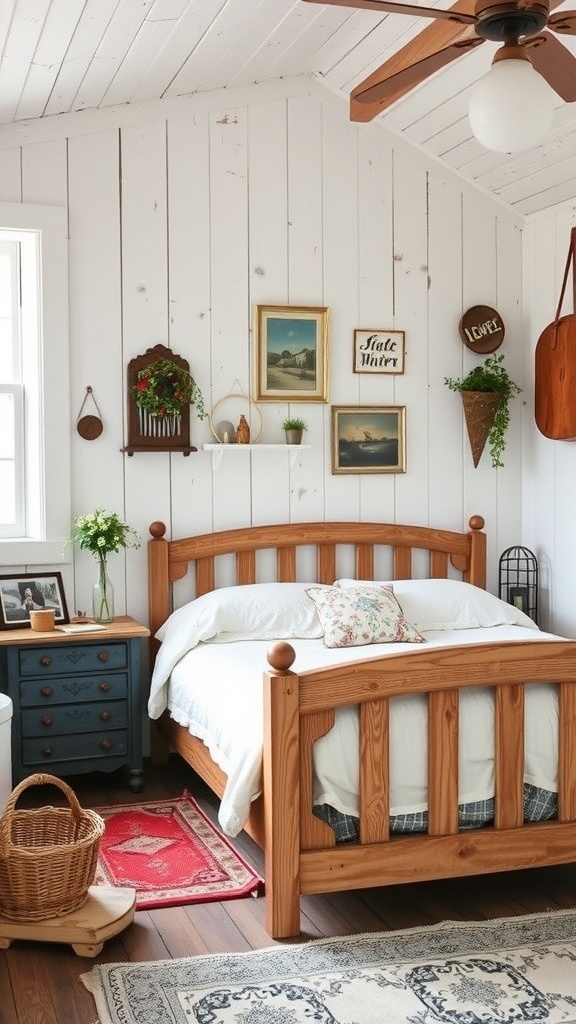
12. Simple Farmhouse Decor
Plain wooden furniture with framed family pictures. Understated vintage is the most affordable route — character comes from age, not ornament.
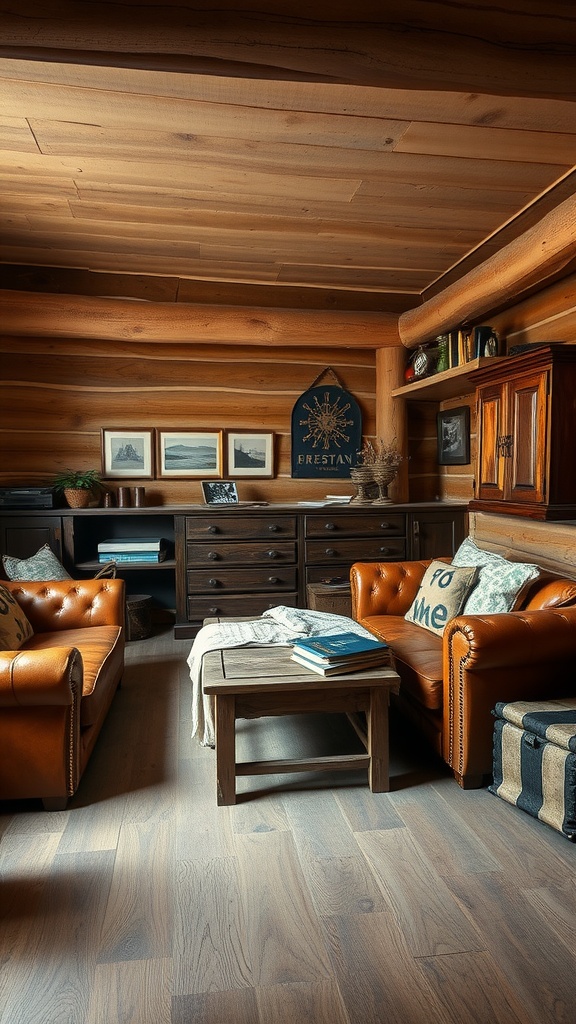
13. Worn Leather and Wood
Aged leather is one of the few materials that genuinely improves with wear. A worn leather chair adds instant age and warmth to any vintage scheme.
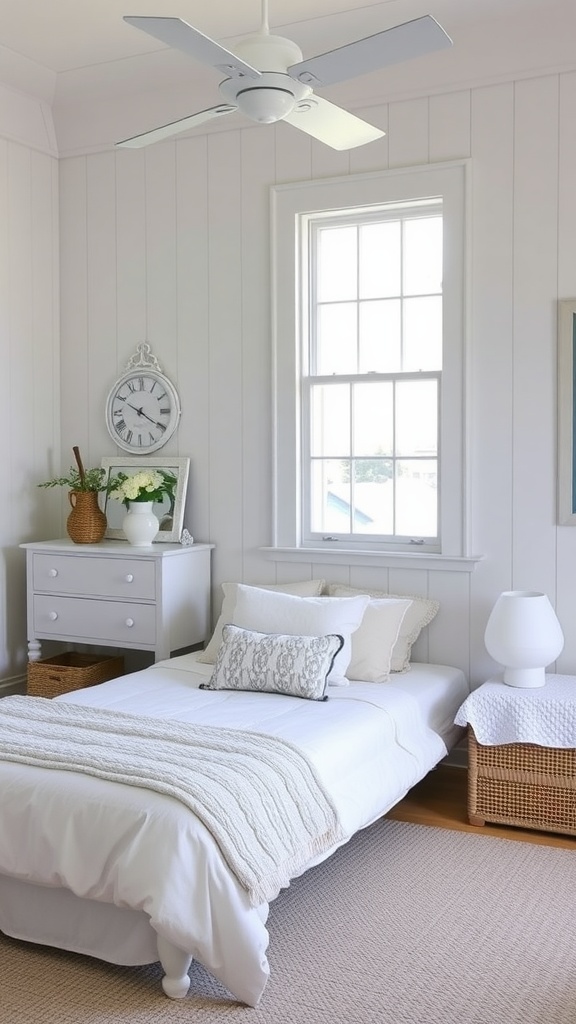
14. Coastal Vintage
White painted furniture, light linens and weathered wood. The brightest, airiest vintage variation — ideal if darker antique styles feel too heavy.
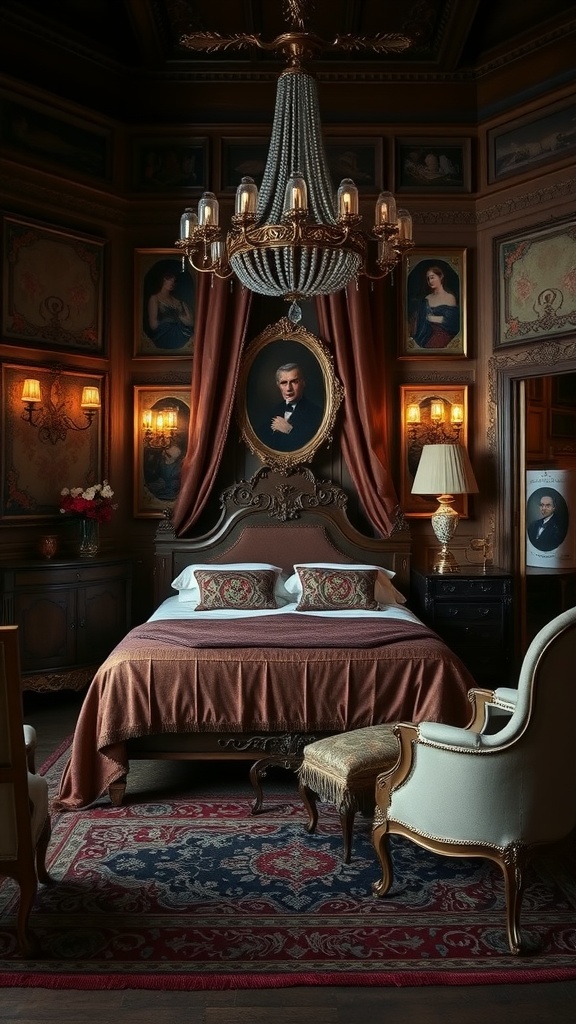
15. Antique Elegance
Genuine antiques with rich colour and warm lighting. If you own true antiques, give each generous space — crowding them cheapens the effect.
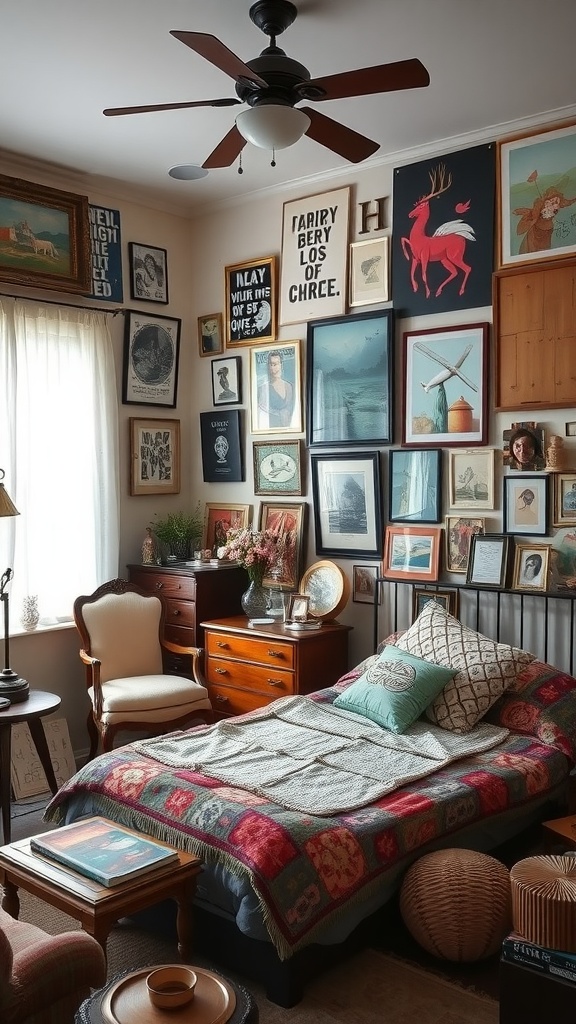
16. Eclectic Vintage
Pieces from several eras held together by a shared palette. This works — but only with that colour thread; without it, mixed eras read as clutter.
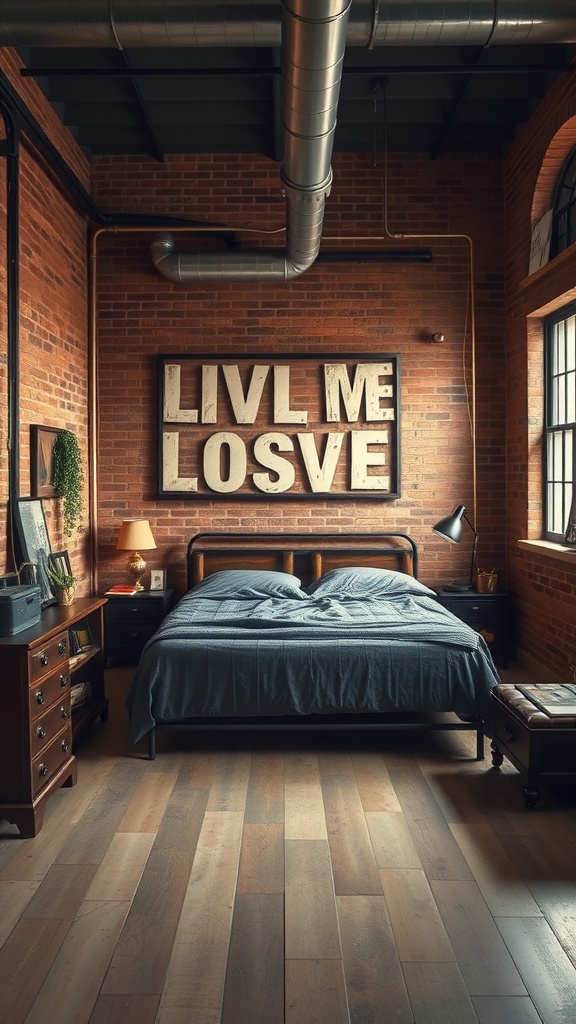
17. Vintage Industrial
Brick, iron bedsteads and salvaged signage. Factory-era pieces are robust, characterful and often cheaper than domestic antiques of the same age.
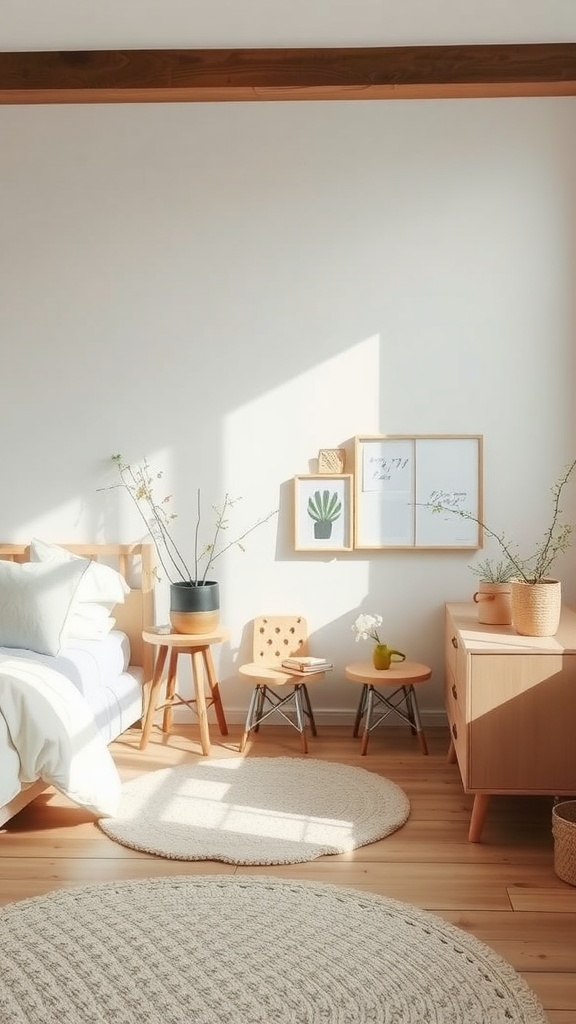
18. Vintage Scandinavian
Mid-century Scandinavian pieces in light wood suit modern homes effortlessly — the cleanest, most restrained way to bring vintage into a contemporary room.
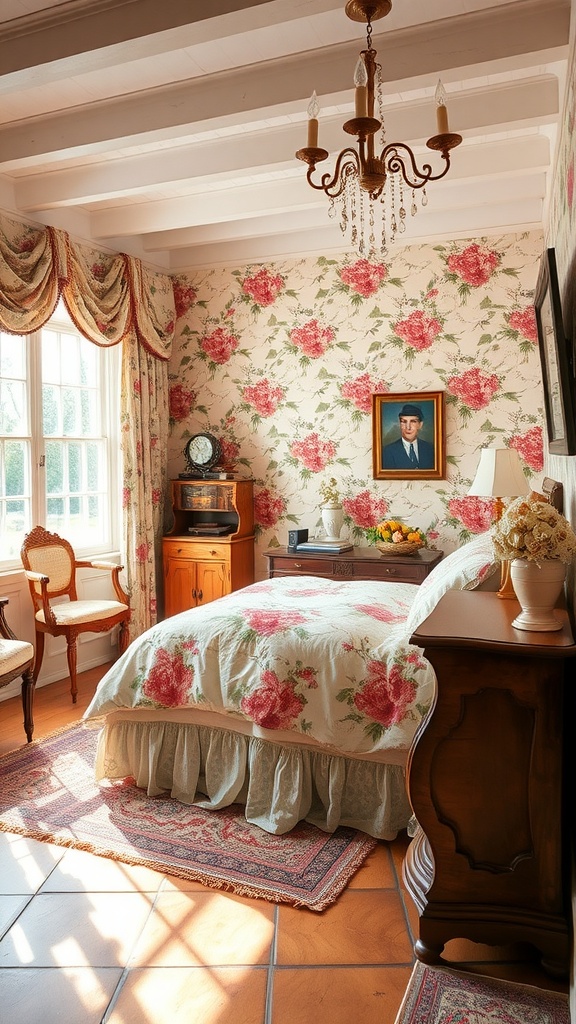
19. English Country
Layered florals, quilts and comfortable old furniture. Deliberately unfussy — English country is meant to look inherited rather than decorated.
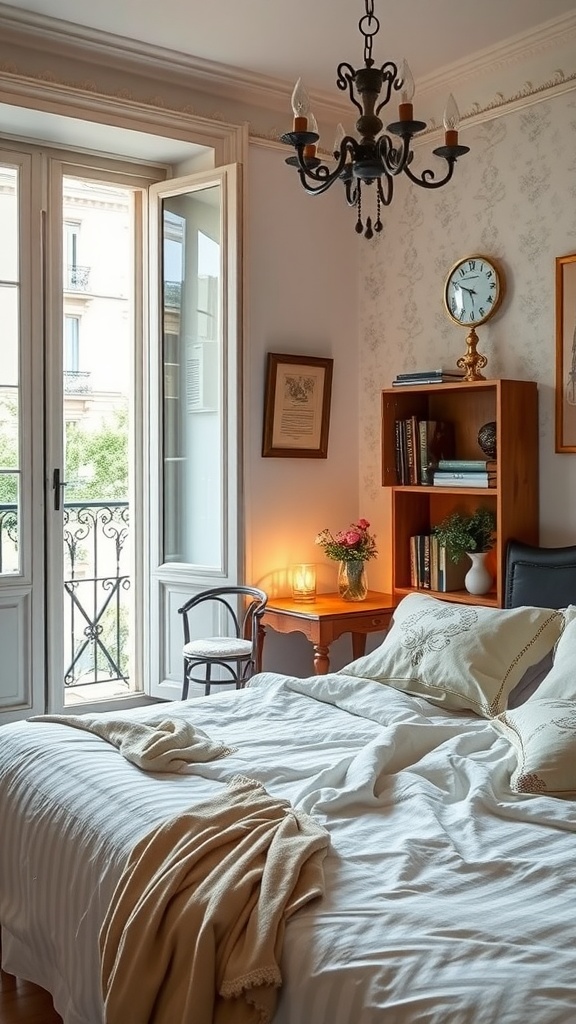
20. Parisian Apartment
A chandelier, mouldings and a few refined pieces against plain walls. Parisian style is vintage with restraint — less furniture, better pieces.
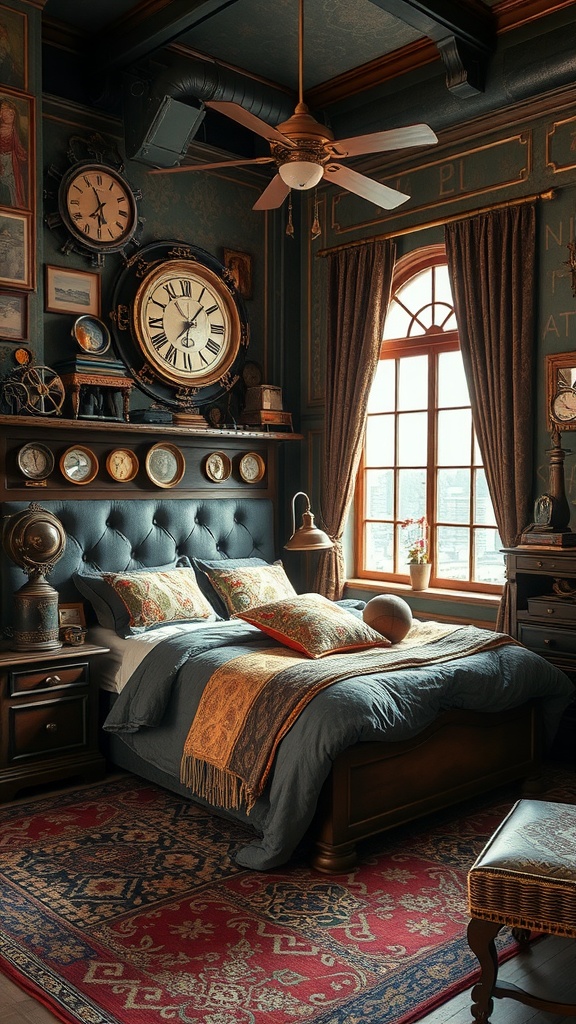
21. Victorian Steampunk
Dark walls, brass, clocks and mechanical curiosities. A niche look that needs strong warm lighting to stay atmospheric rather than gloomy.
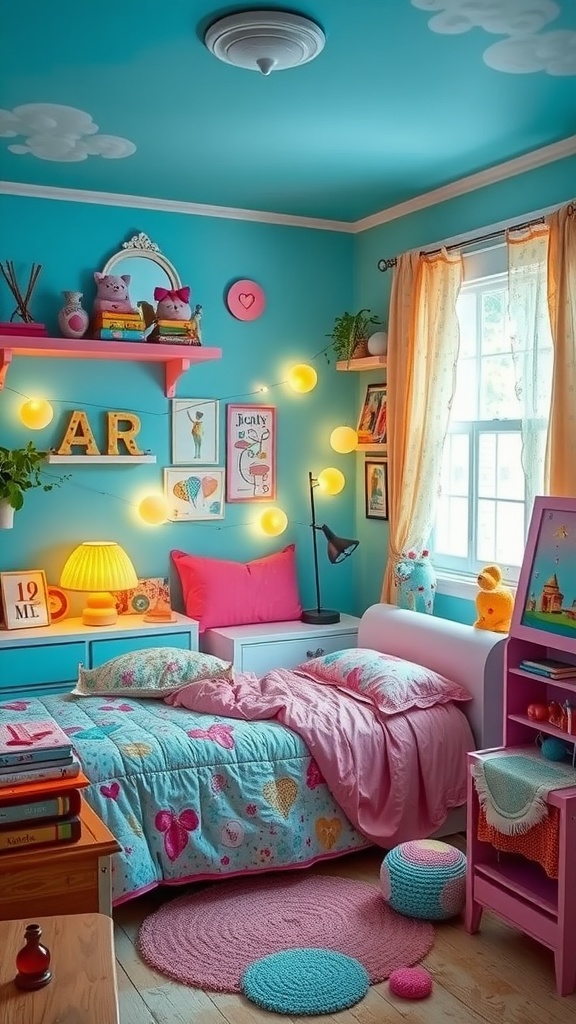
22. Whimsical Vintage
Bright colour and playful period objects. Best kept to a guest room or child's room where the energy suits the room's purpose.
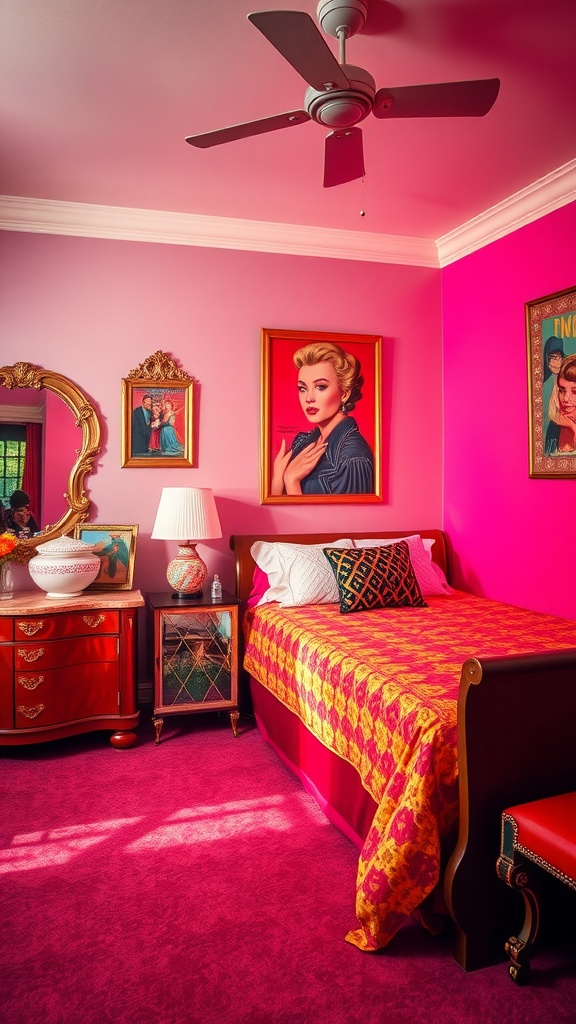
23. Retro Glam
Pink walls, bold bedding and period art. Retro glam is fun and photogenic — and repainting plus new bedding gets you there without buying furniture.
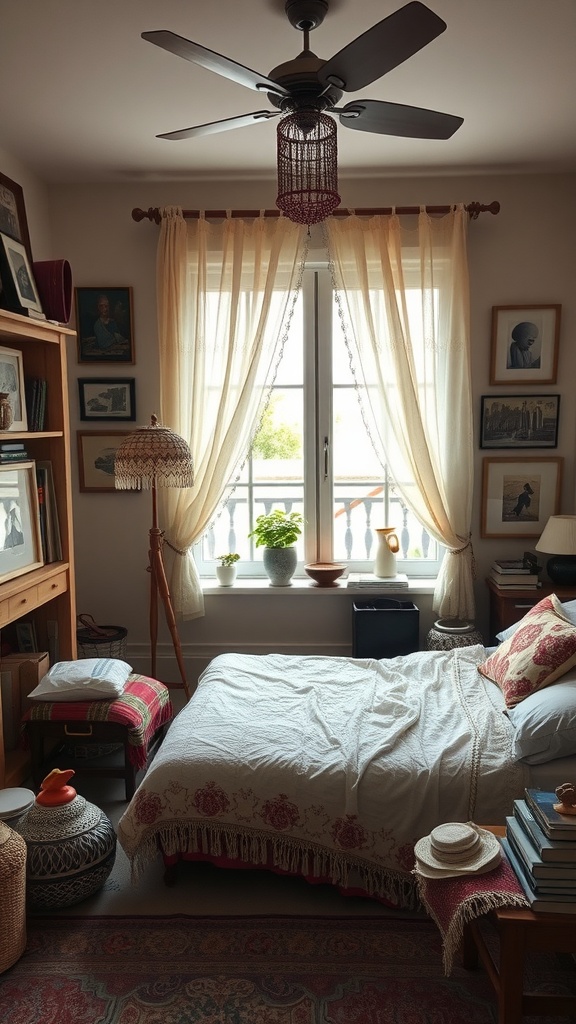
24. Global Bazaar
Vintage textiles and objects collected from different cultures. Keep the palette tight so a widely sourced collection still reads as one room.
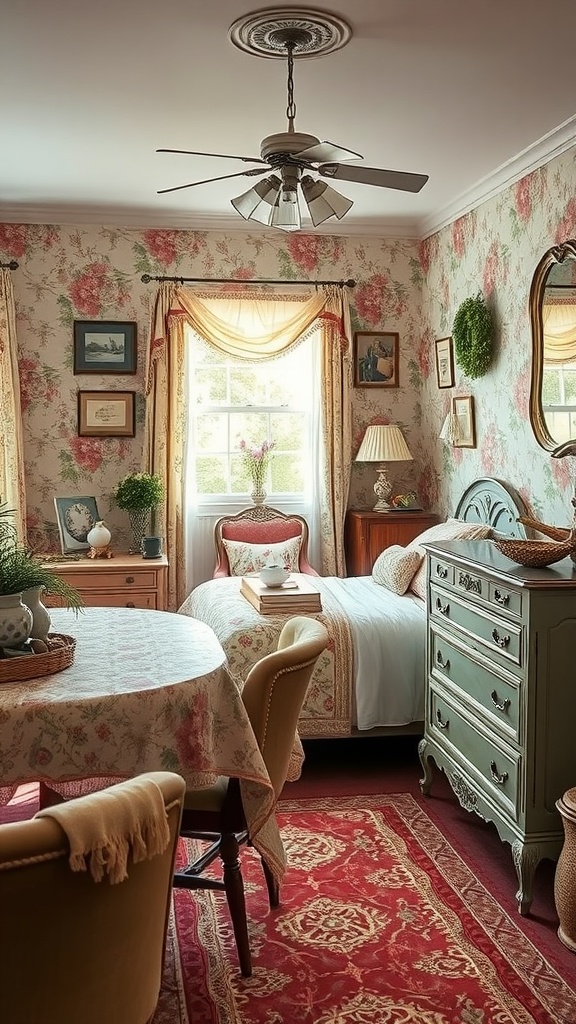
25. Painted Statement Dresser
A boldly painted vintage dresser is the single best entry point into this style — cheap to buy, transformative, and reversible if you change your mind.
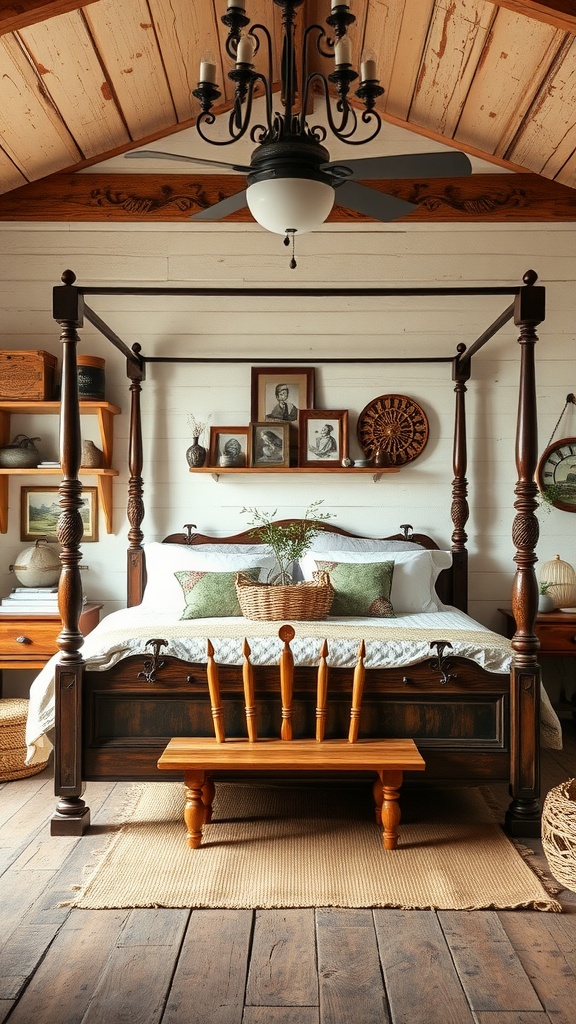
26. A Four-Poster Frame
A simple wooden four-poster gives vertical architecture without Victorian heaviness — plenty of presence, far less visual weight.
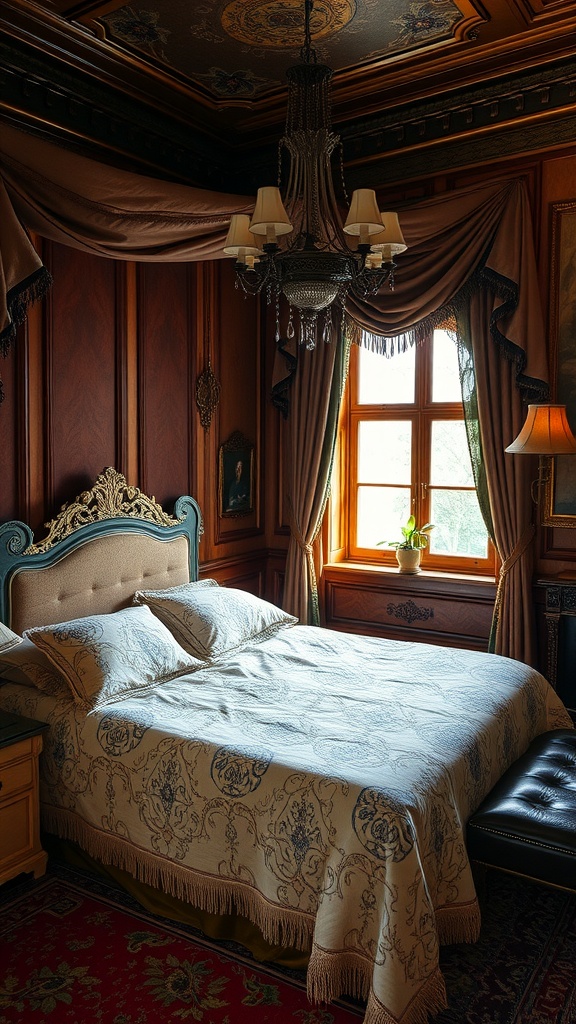
27. Old World Romance
Wood panelling, patterned coverlets and generous drapery. Rich and enveloping — reserve it for rooms with enough height to carry the depth.
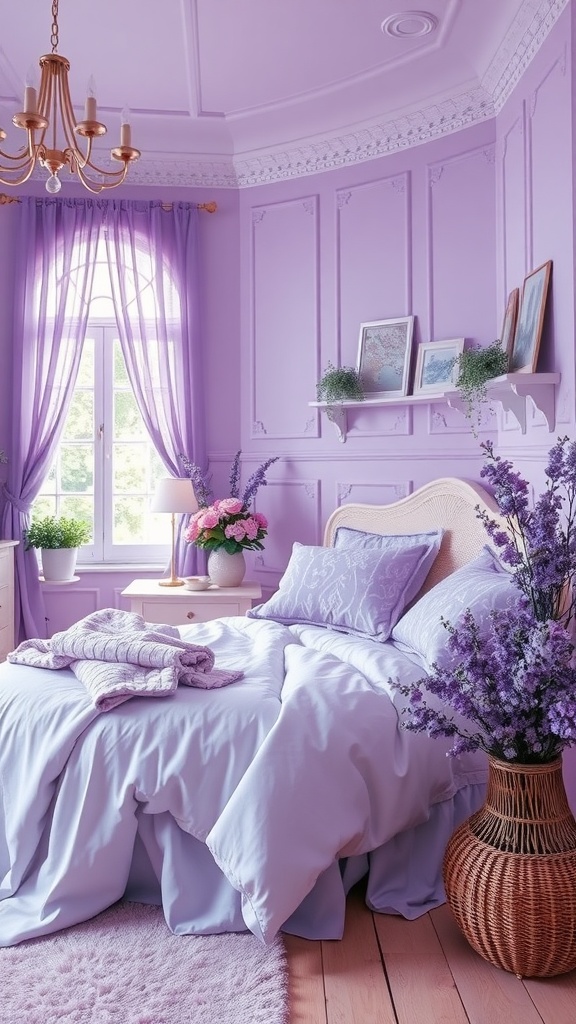
28. Lavender and Cream
Soft lavender is a genuinely period-appropriate colour that also happens to be one of the most sleep-friendly shades available — pretty and practical.
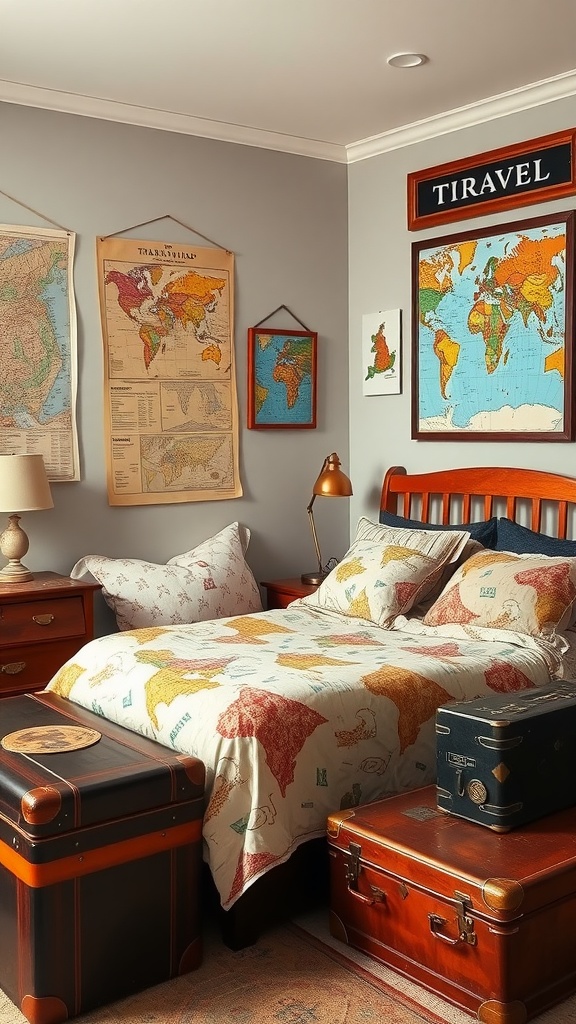
29. Maps and Suitcases
Old maps as art and stacked suitcases as a bedside table. Storage, character and a story in one — and both are easy to find secondhand.
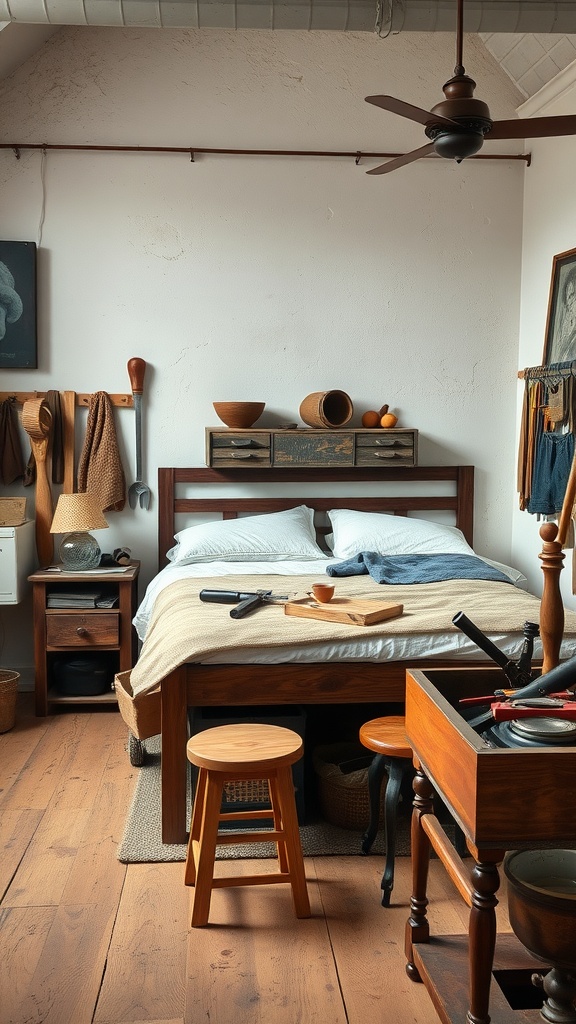
30. Artisan Workshop
Hand-tools, baskets and workshop furniture. Utilitarian vintage is undervalued and often the cheapest way into genuinely old, well-made pieces.
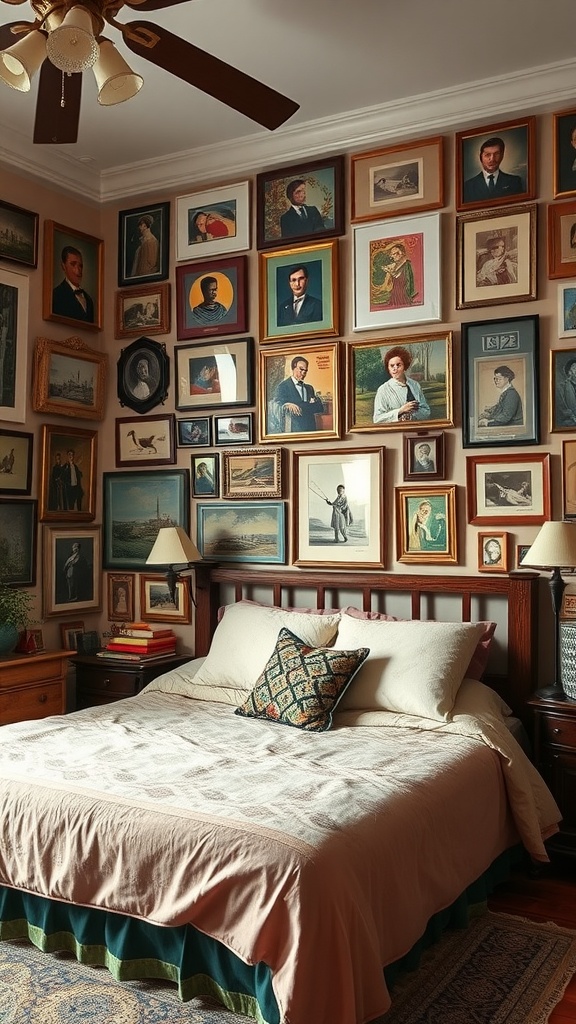
31. A Vintage Art Wall
Old portraits, botanicals and prints in period frames. Charity-shop art is cheap, and consistent frames turn a random collection into a deliberate display.
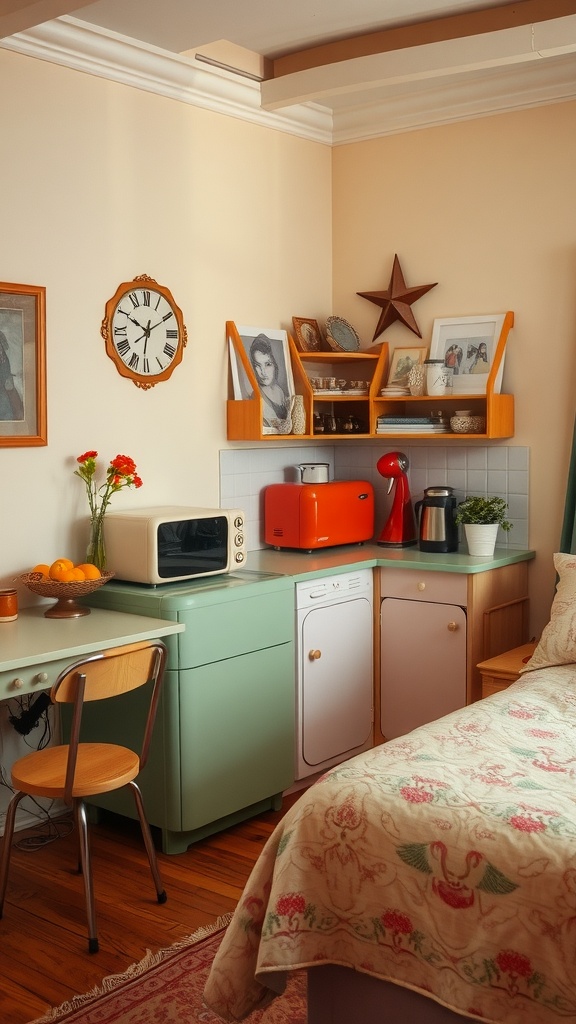
32. Pastel Retro Cabinetry
Mint and butter-yellow painted cabinetry evokes the 1950s beautifully. Perfect for a studio or guest room that needs to do more than one job.
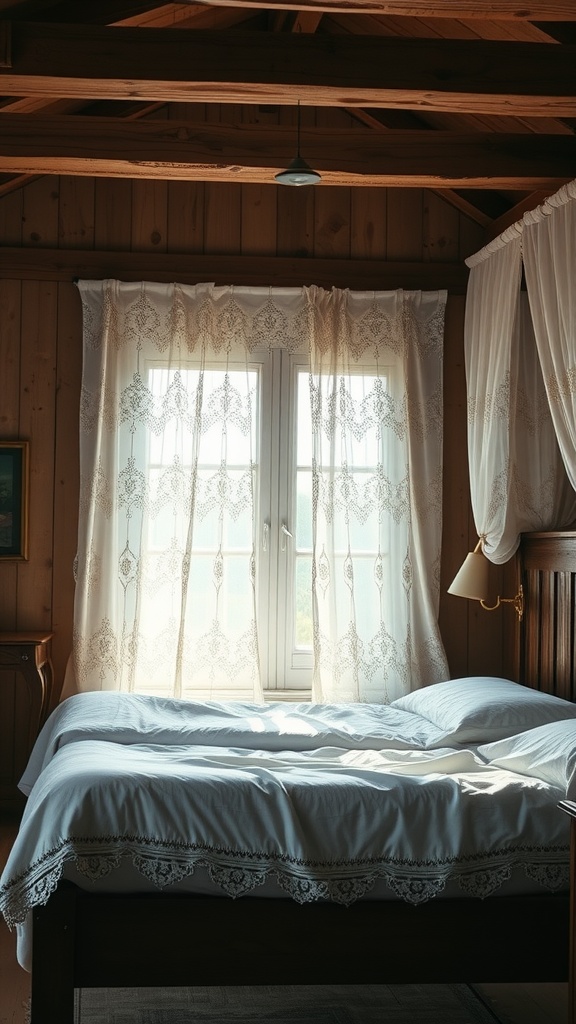
33. Vintage Meets Simple
Old beams and one or two antique pieces against crisp white bedding. This is the 80/20 rule in action — and the easiest vintage look to live with long-term.
Vintage bedroom FAQ
How do I mix vintage furniture with modern pieces? Give them something in common — usually colour or material. A mid-century teak dresser sits happily beside a contemporary bed if both share a wood tone or a palette. Aim for roughly 20% vintage against a simple modern base; that ratio lets old pieces read as deliberate choices rather than hand-me-downs.
Should I restore or leave vintage furniture as it is? Repair function, preserve appearance. Fix wobbling joints, replace failed drawer runners and treat any woodworm — but leave scratches, patina and faded finish alone. Stripping and refinishing an old piece typically removes both its character and a large part of its value.
Where's the best place to find affordable vintage? Charity shops and house-clearance sales for textiles, art and small items; auction houses and estate sales for furniture, where prices are often lower than online marketplaces. Utilitarian and industrial pieces are consistently undervalued compared with decorative antiques of the same age.
How do I stop a vintage bedroom feeling dated or gloomy? Keep the walls and bedding light and current, use warm layered lighting rather than a single dim source, and limit yourself to a few genuinely good period pieces. Dated rooms are usually the result of period-perfect overload plus poor lighting, not of the furniture itself.
Is vintage furniture better quality than new? Often, yes — older mass-market furniture was typically solid wood with proper joinery, where much modern budget furniture is particleboard and staples. That's why a hundred-year-old dresser still works while flat-pack rarely survives two moves. Always check the joints before assuming, though.
Common vintage bedroom mistakes
- Period overload — every object being old turns the room into a display case; keep a contemporary base.
- Mixing eras with no common thread — a shared palette or material is what makes an eclectic mix work.
- Over-restoring — stripping and refinishing destroys the patina you were buying in the first place.
- Cool modern lighting — old wood and brass need warm 2700 K light to look right.
- Buying reproduction at antique prices — check joinery and construction before you pay for age.
Final thought
A great vintage bedroom is a conversation between old and new, not a period reconstruction. Pick one era to lead, source a few genuinely good pieces and leave their wear intact, keep the base simple and the lighting warm — and the room will feel like it was inherited rather than assembled.

Sources & principles referenced
- Antique/vintage/retro definitions and age thresholds.
- Characteristics of Victorian, Art Deco, mid-century modern, 1970s retro, shabby chic and French provincial interiors.
- Secondhand furniture assessment (joinery, structure, odour).
- Patina preservation versus restoration.
- Warm colour-temperature lighting (2700 K).
- The 60-30-10 colour rule.