

Decorating a British bedroom means working with a very particular set of constraints: some of the smallest rooms in Europe, chimney breasts and alcoves in the older stock, radiators stuck under the windows, and a climate that turns cold external walls into condensation traps. These 30 UK bedroom ideas are chosen with those realities in mind — style directions that actually suit British homes, plus the practical rules for the quirks every UK room seems to come with.
British bedrooms are small — plan space first
UK homes, and new-builds especially, have some of the smallest bedrooms in Europe. The typical "double bedroom" is often barely more than 3 m in one direction, and once a double bed (135 × 190 cm) is in, there isn't much left. So in most British bedrooms, space planning comes before style: measure the room, plan the bed and wardrobe positions and the walking routes around them, and only then choose the look.
Practical consequences that recur in nearly every UK room: keep at least a 60–70 cm gap down at least one side of the bed, don't buy furniture that blocks the door swing or the radiator, and favour built-in and dual-purpose pieces over freestanding bulk. Get the plan right in a small room and almost any style works; get it wrong and no amount of decorating rescues it.
Chimney breasts and alcoves: the British room's best feature
Older UK homes — the Victorian and Edwardian terraces and semis that make up so much of the housing — usually have a chimney breast flanked by two alcoves, and how you handle them defines the room. The chimney breast is a natural feature wall: paint or paper it, or centre the bed on it. The alcoves are the gift — those recesses are the ideal spot for fitted wardrobes, shelving or a built-in desk, using dead space that freestanding furniture can never reach neatly.
Fitted alcove storage is the single highest-value move in a period British bedroom. It squares off the awkward recess, gives you far more storage than a freestanding wardrobe in the same footprint, and looks bespoke. Whether you build it, commission it or use a modular system scribed to fit, this is where to spend.
The radiator problem
British bedrooms are heated by radiators, and they're almost always fixed to the wall under the window — which is exactly where you might want the bed or a chest. Two rules keep it manageable. Don't block a radiator with furniture: a bed head or a wardrobe against it wastes the heat and can scorch or dry out the piece. And mind the curtains — full-length curtains hanging over a radiator funnel the heat straight up behind the fabric and out of the room, so either use sill-length curtains at a radiator window or fit a radiator shelf to deflect the heat back into the room. Where the radiator sits often dictates the whole furniture layout, so factor it in from the start.
Period versus new-build — two different problems
British housing splits into two camps, and each has its own decorating reality:
- Period homes (pre-war terraces, Victorian/Edwardian): higher ceilings, chimney breasts and alcoves, picture rails and cornicing, but also draughty single-glazed windows, cold solid walls and lath-and-plaster you need the right fixings for. Play up the period features; deal with the draughts and cold.
- New-builds: small rooms, lower ceilings, and stud walls lined with plasterboard that won't hold a heavy fixing without the correct plasterboard anchors (or hitting a stud). Space efficiency and clever fixings matter most here; period charm has to be added rather than uncovered.
Knowing which you've got tells you where the effort goes — restoring and warming a period room, or maximising and characterising a new-build.
Damp, draughts and cold walls
The British climate makes condensation and damp a genuine decorating concern, not an afterthought. Cold external walls are where moisture condenses, so don't push a wardrobe flat against an external wall — leave an air gap behind it, or you'll find mould on the back and the wall. Ventilate: open a window daily even briefly, and don't dry washing on a radiator in a closed bedroom. And with draughty period windows, heavy lined or interlined curtains earn their place twice — they look rich and they cut the heat loss that single glazing leaks all winter.
30 UK bedroom ideas — and why each works
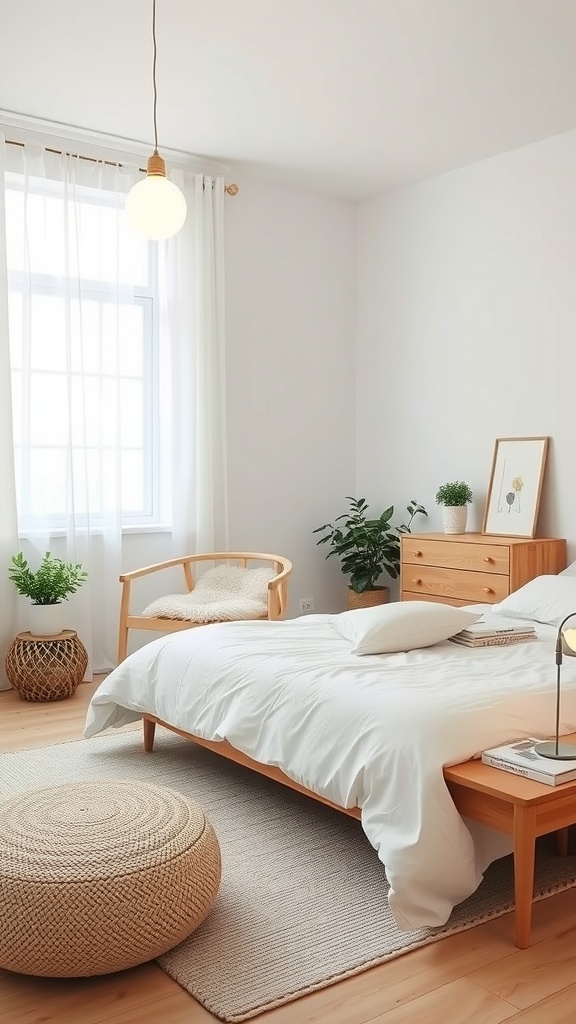
1. Scandinavian Minimalism
Light wood, pale walls and pared-back furniture make a small British bedroom feel larger and brighter — ideal for our modest room sizes and grey light. The restraint also keeps a tight room from feeling crammed.
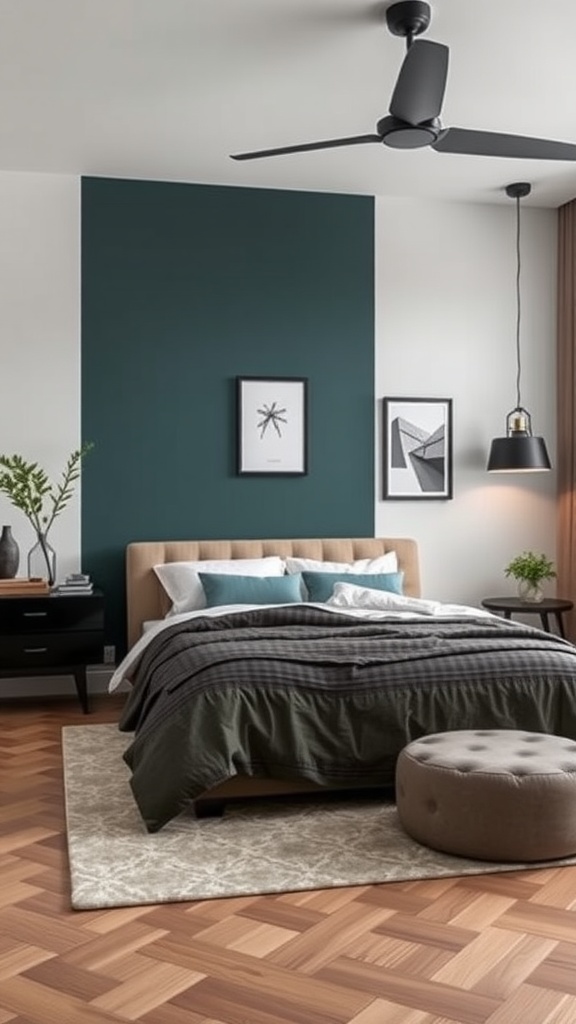
2. A Colour-Blocked Feature Wall
Painting the chimney-breast wall a deep colour is the classic British way to add drama without shrinking the room. It turns an architectural given into a designed focal point for the price of a tester pot.
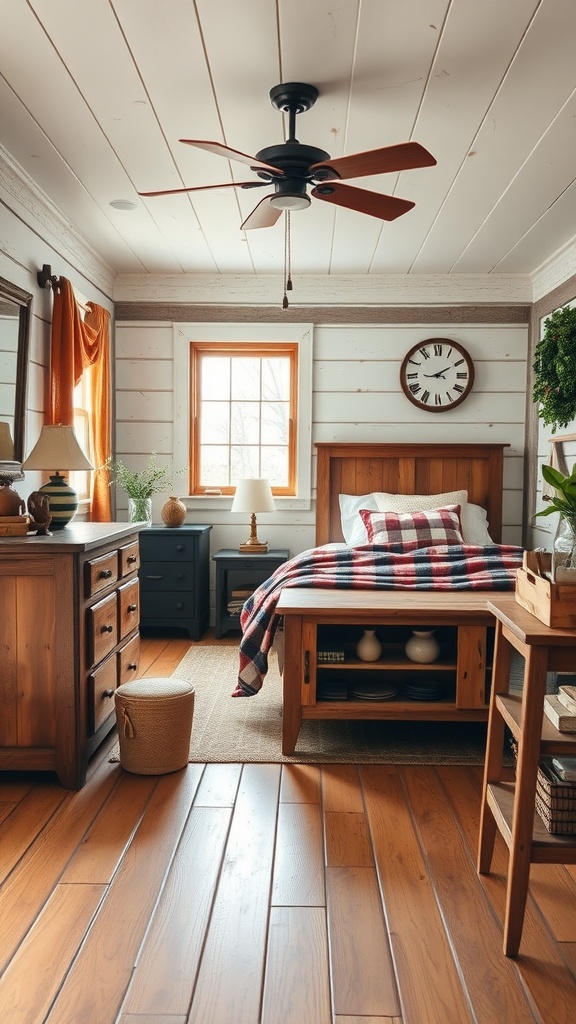
3. Rustic Country Cottage
Natural wood, layered textiles and warm tones suit period cottages and terraces and add cosiness against the British chill. Exposed beams, if you have them, are a feature to celebrate rather than hide.
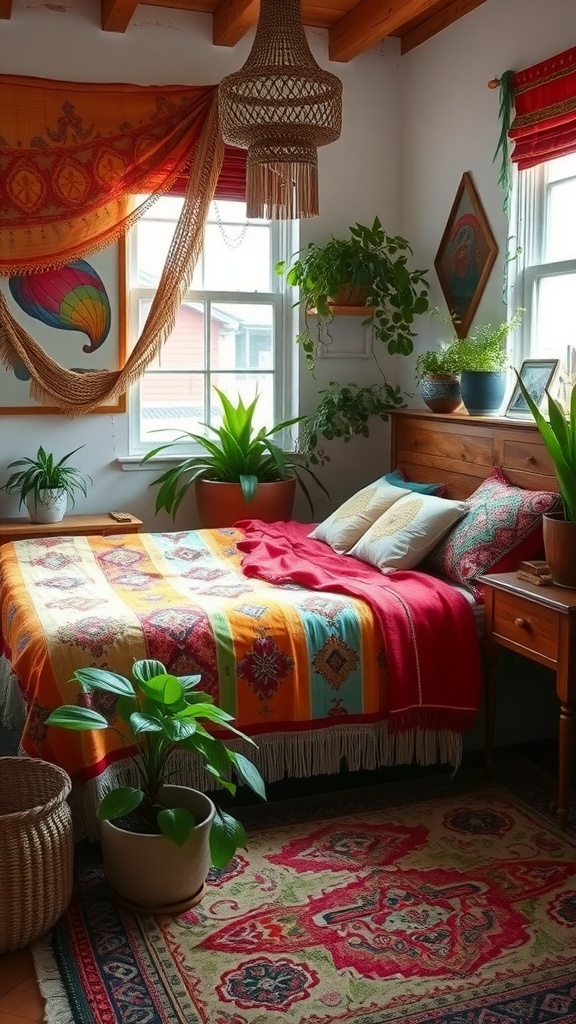
4. Bohemian Eclectic
Layered colour, plants and collected pieces bring warmth and personality to a plain box room. It's a forgiving, low-cost look that thrives on charity-shop and market finds — very achievable on a British budget.
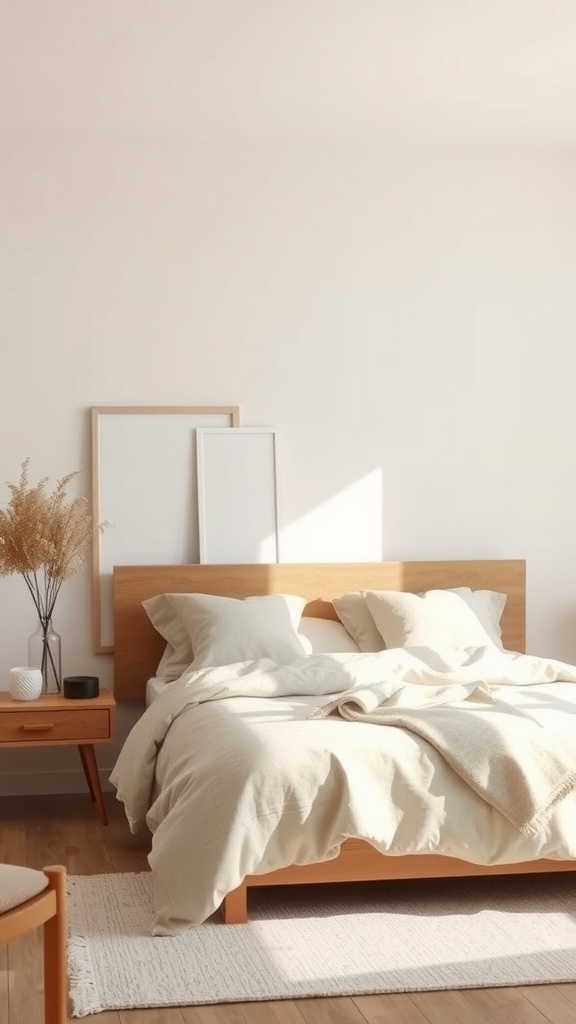
5. Calm Neutral Tones
Soft, warm neutrals reflect what daylight we get and keep a small room serene and uncramped. Warm rather than cool neutrals counter the bluish cast of British overcast light.
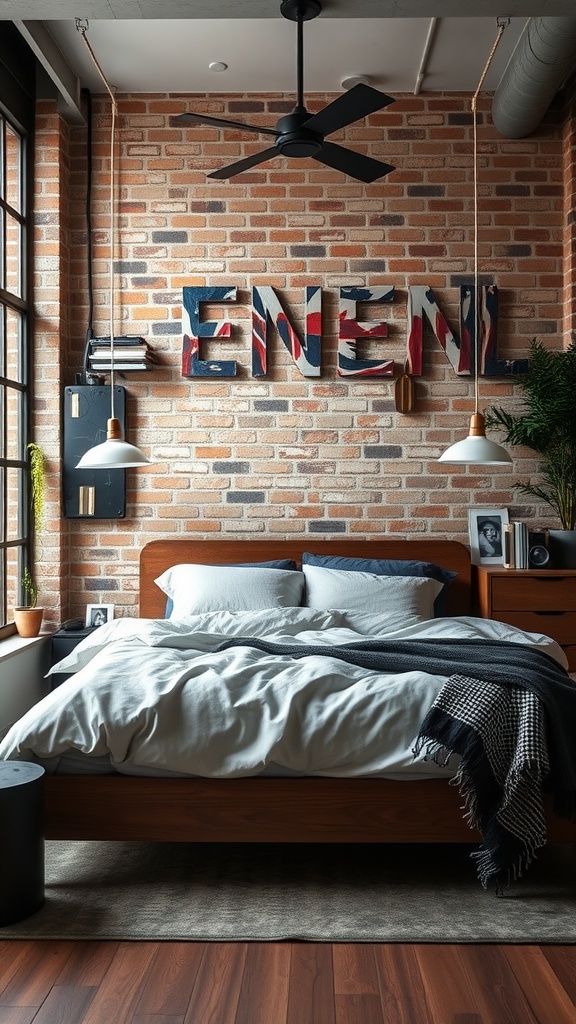
6. Modern Industrial
Exposed brick and metal suit warehouse and city conversions, and a chimney breast stripped back to brick is a natural fit. Warm up the hard materials with textiles so the room doesn't feel cold in our climate.
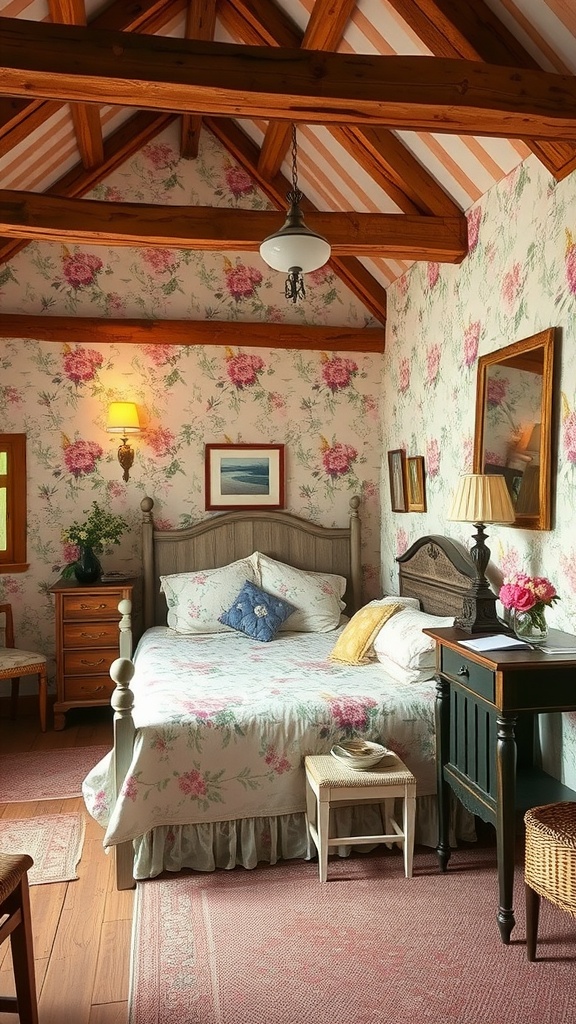
7. Cosy Cottage with Floral Paper
Floral wallpaper and vintage furniture lean into the character of an older British home. Papering the chimney breast alone gives the effect while keeping the room feeling open.
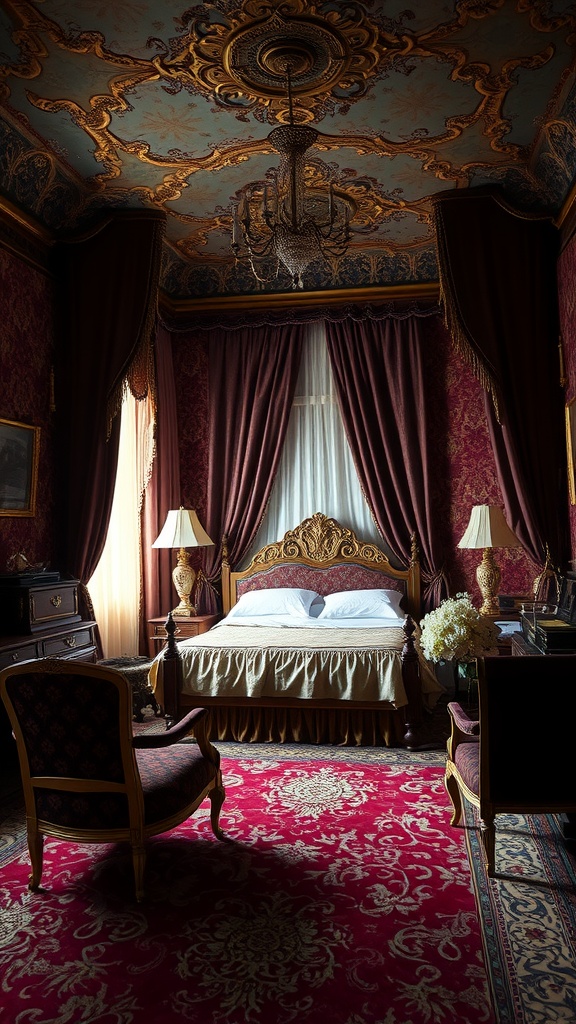
8. Victorian Period Detail
In a genuine Victorian house, playing up cornicing, ceiling roses and deep colour honours the architecture you already own. Restoring existing period features is cheaper and more authentic than adding fake ones.
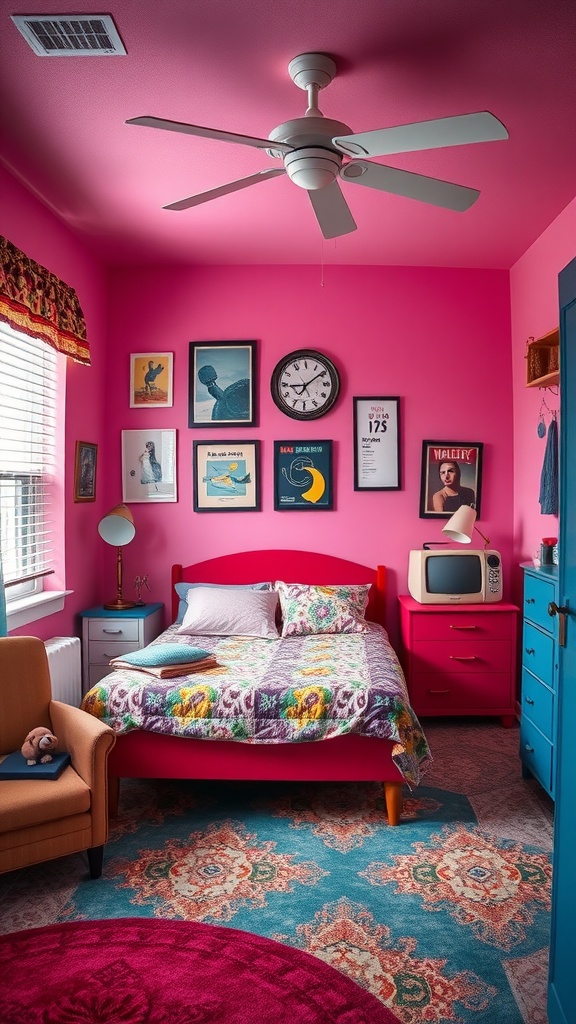
9. Vintage Retro Charm
Mid-century and retro pieces are abundant and affordable second-hand across the UK, and their compact scale suits small rooms. It's a characterful, sustainable route that doesn't need much floor space.
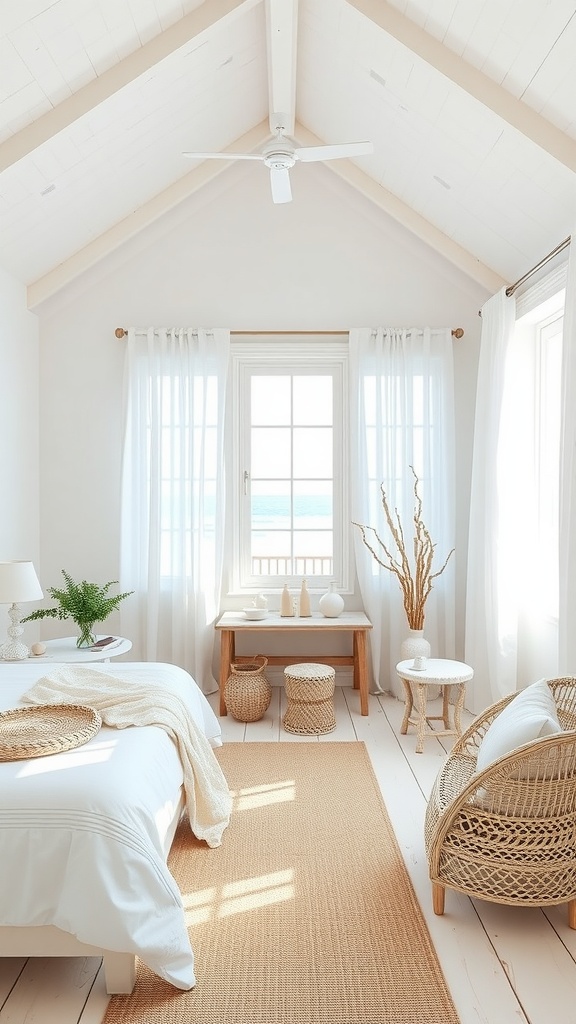
10. Bright Coastal
White walls and natural textures maximise light — genuinely useful given how little of it a British winter offers. The airy palette makes a small room breathe and suits seaside and new-build homes alike.
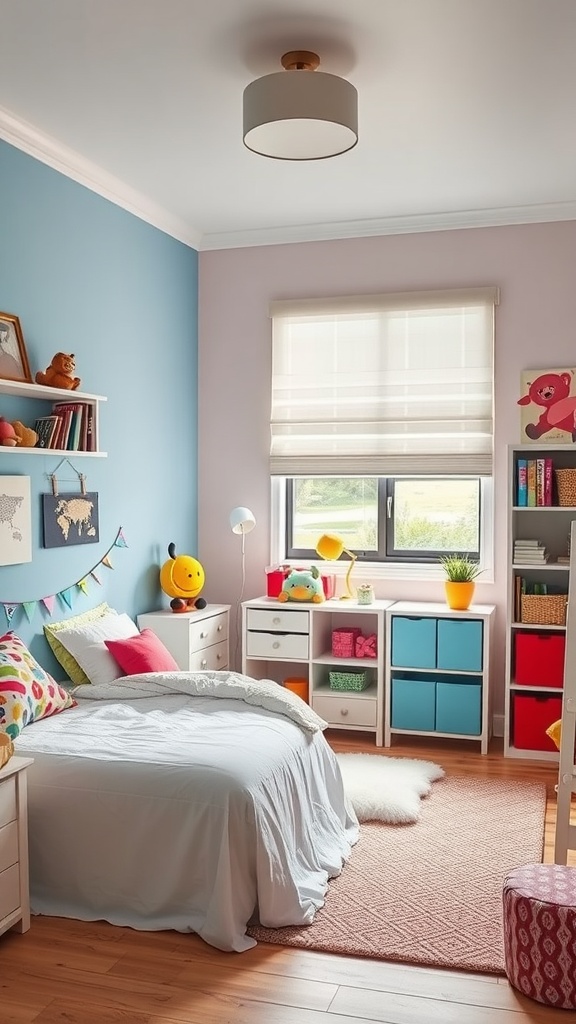
11. A Clever Kids' Room
British "box rooms" are often the child's room, so space-saving beds and alcove shelving do the heavy lifting. Build storage into the alcoves and keep the floor clear for play.
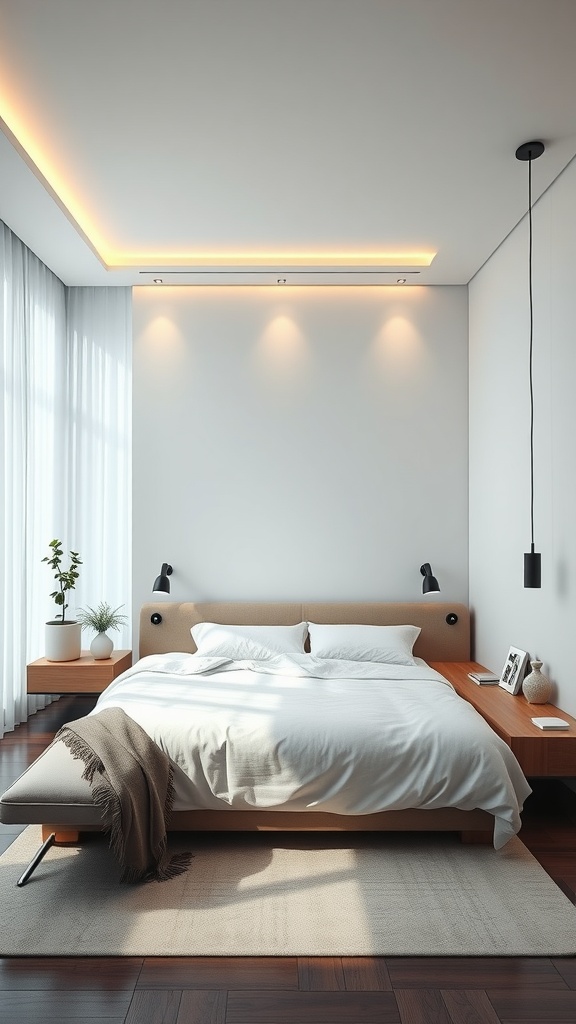
12. Smart Ambient Lighting
Smart warm bulbs let one small room shift from bright to cosy, which matters when the room does several jobs. Warm 2700 K tones counter grey daylight and make evenings feel snug.
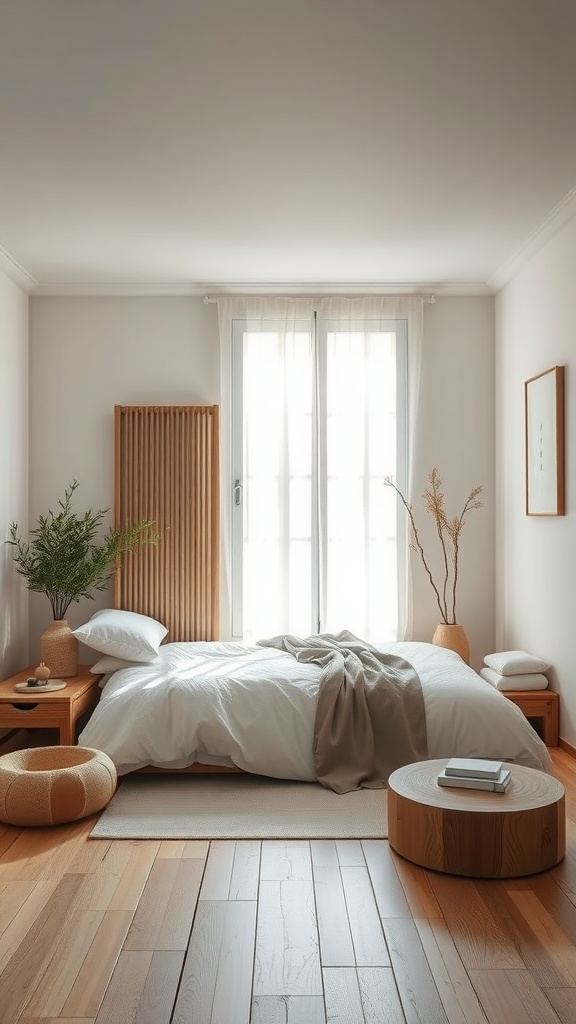
13. Zen Simplicity
A pared-back, natural scheme keeps a small room calm and clutter-free — essential when there's little space to spare. Fewer, better pieces read intentional rather than sparse.
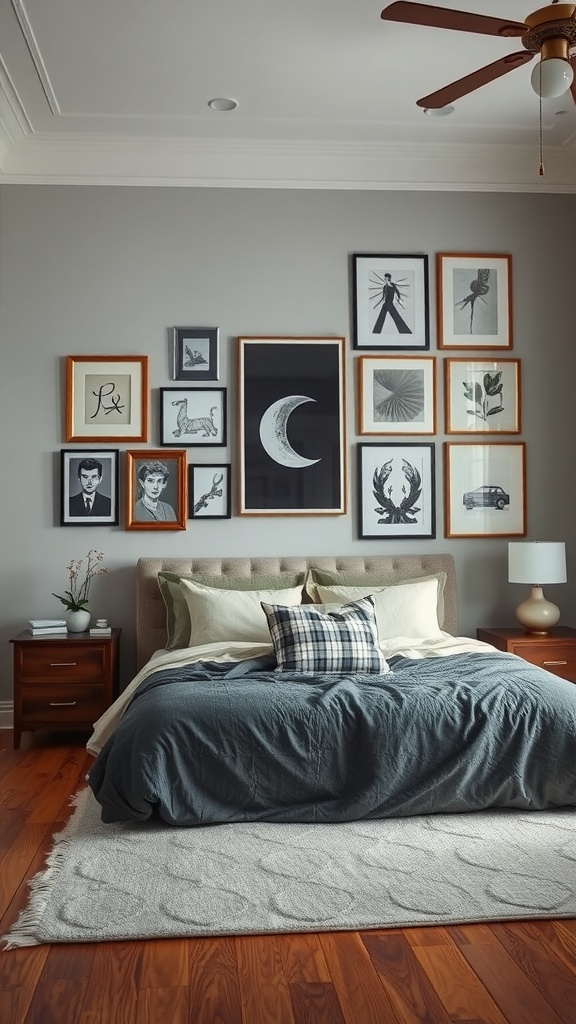
14. A Gallery Wall
Filling wall space with framed art adds personality without using precious floor area — perfect for tight rooms. In a period home, hang from the picture rail to protect the plaster and keep it authentic.
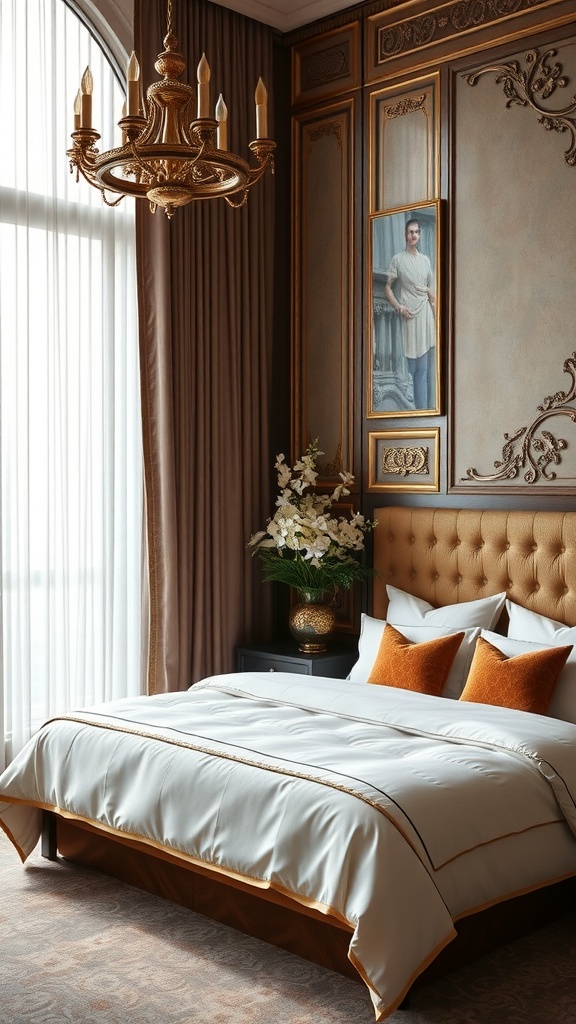
15. Boutique-Hotel Luxe
Plush bedding, a statement light and symmetrical bedsides give even a small British bedroom a considered, hotel-like feel. Layered textiles do most of the work and add welcome warmth.
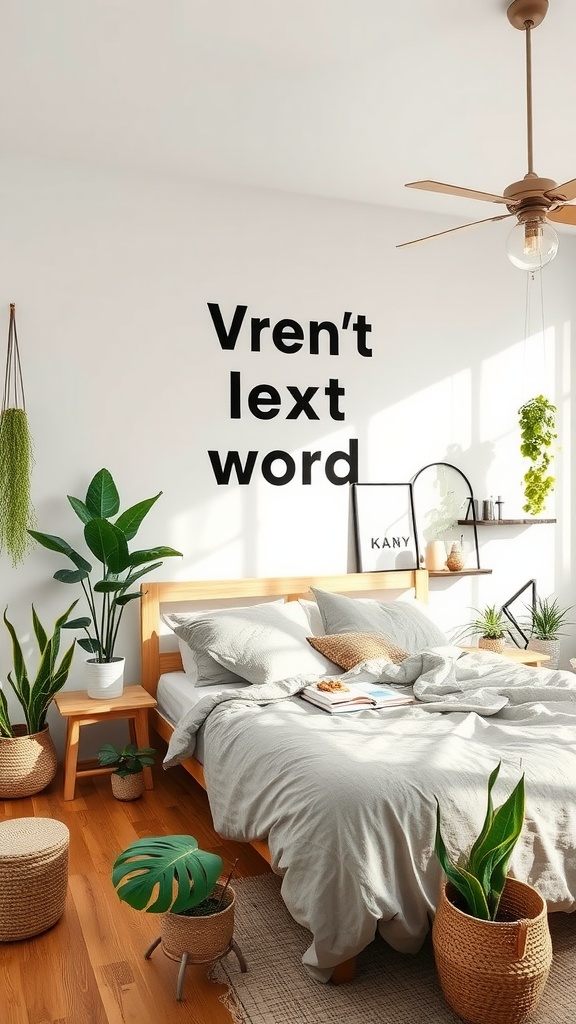
16. Sustainable and Second-Hand
Natural materials, plants and pre-loved furniture suit both the eco-minded and the British love of a bargain. Reclaimed and vintage pieces add character a new set can't, at a fraction of the cost.
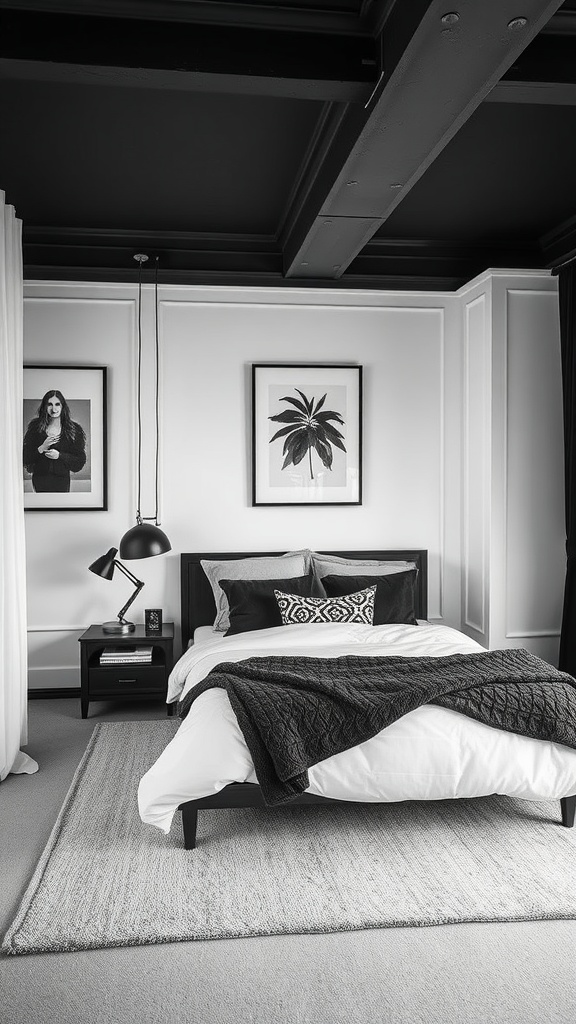
17. Chic Monochrome
Black-and-white schemes read sharp and modern and suit clean-lined new-build rooms. Keep the black to accents in a small space so it stays crisp rather than closing in.
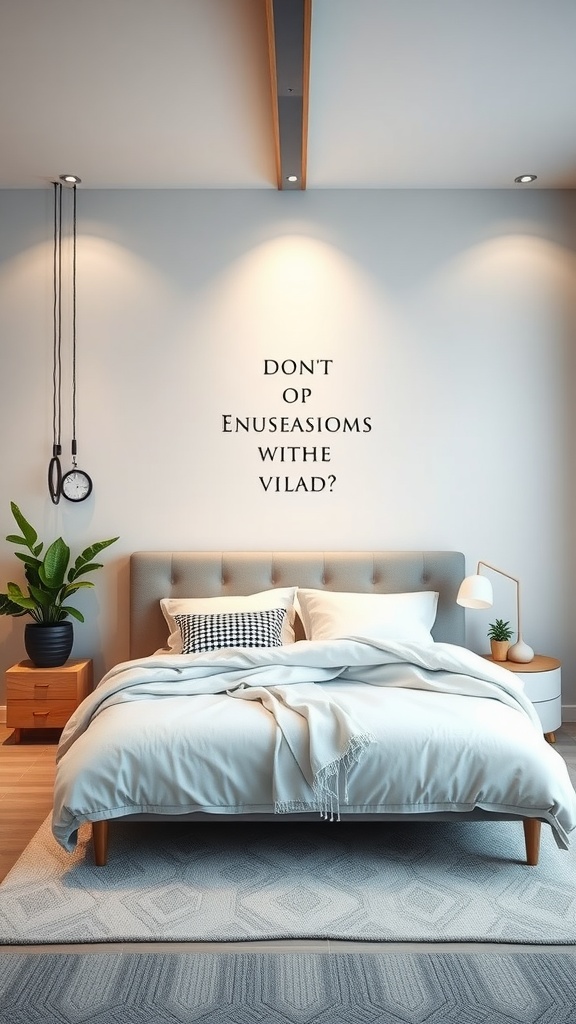
18. A Gender-Neutral Scheme
Balanced, unfussy palettes suit shared rooms, guest rooms and rooms that change use over time. Neutral bases with swappable textiles let the room adapt without redecorating.
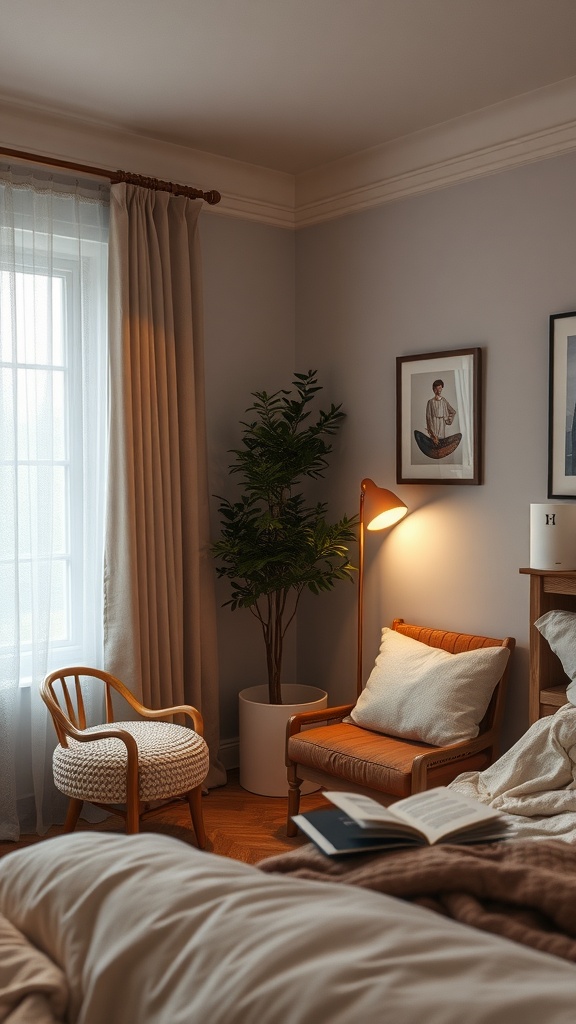
19. A Cosy Nook
An alcove or corner turned into a reading spot uses awkward space and adds a second function to a single room. A period alcove is the natural home for it, with a chair and a warm lamp.
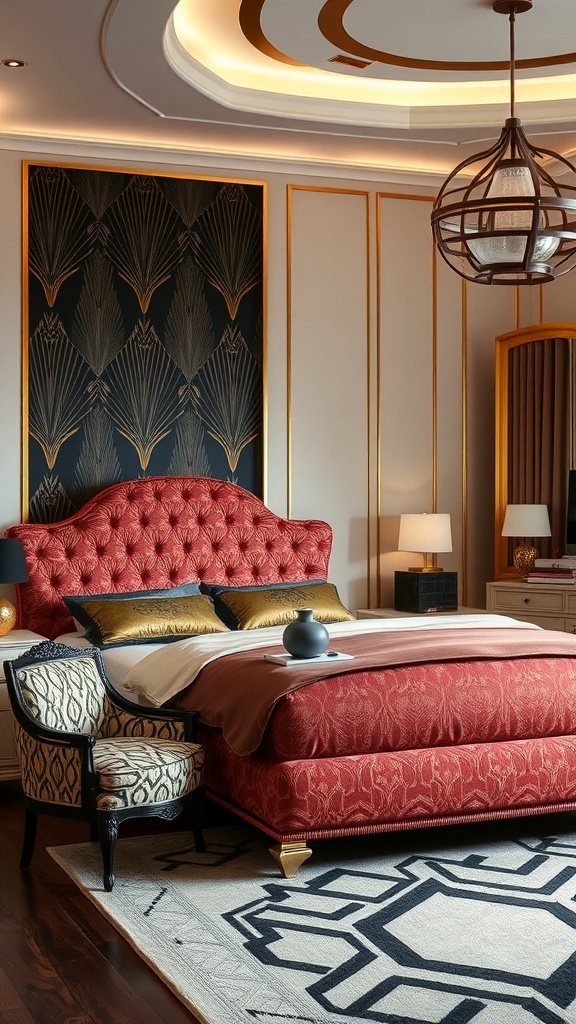
20. Art Deco Glamour
Bold geometry, rich colour and brass suit 1930s British semis and add drama to plainer rooms. A little Deco goes a long way in a small space — one statement piece rather than a full set.
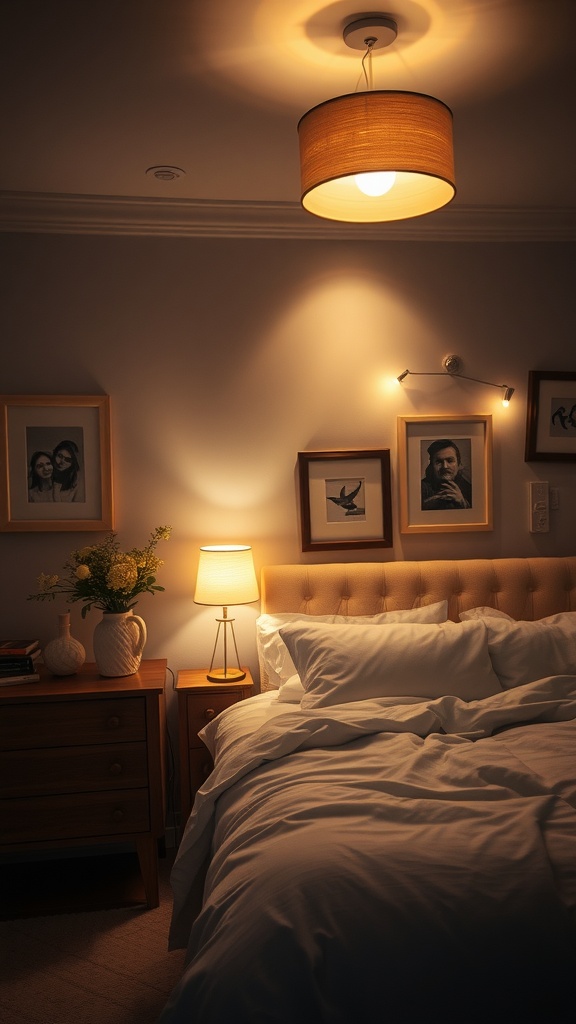
21. Layered Warm Lighting
Several warm sources — a bedside lamp, a wall light, a soft overhead — beat the single central pendant most British bedrooms are lumbered with. Add lamps and a dimmer to make a dark room cosy after sundown.
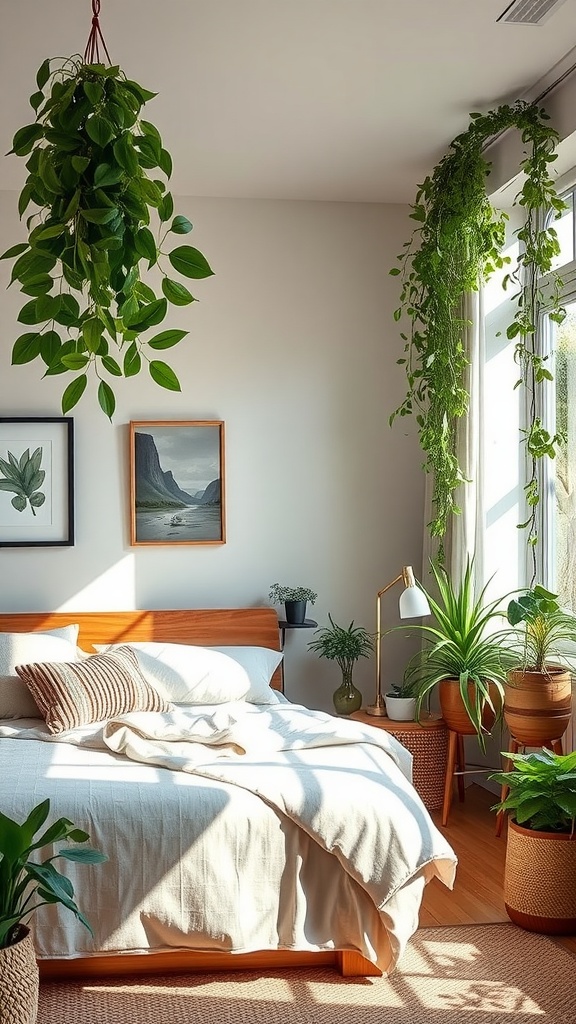
22. Bringing the Outside In
Plants and natural materials add life and a connection to the garden that British homes prize. Hanging and shelf plants add greenery without spending scarce floor space.
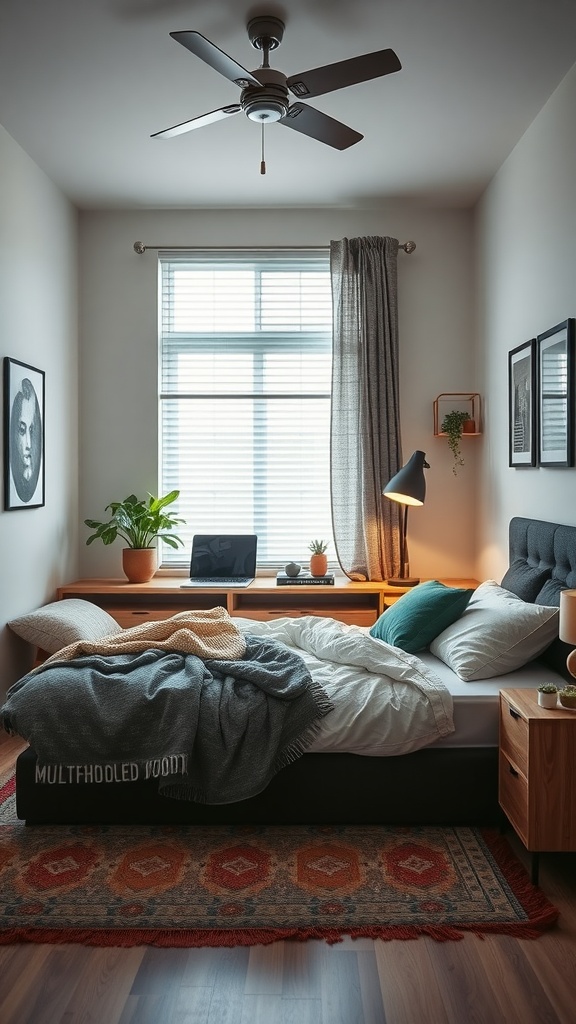
23. A Multipurpose Room
With homes small and home-working common, a bedroom that's also an office or gym is a British necessity. Fold-away and dual-purpose furniture lets one room switch roles through the day.
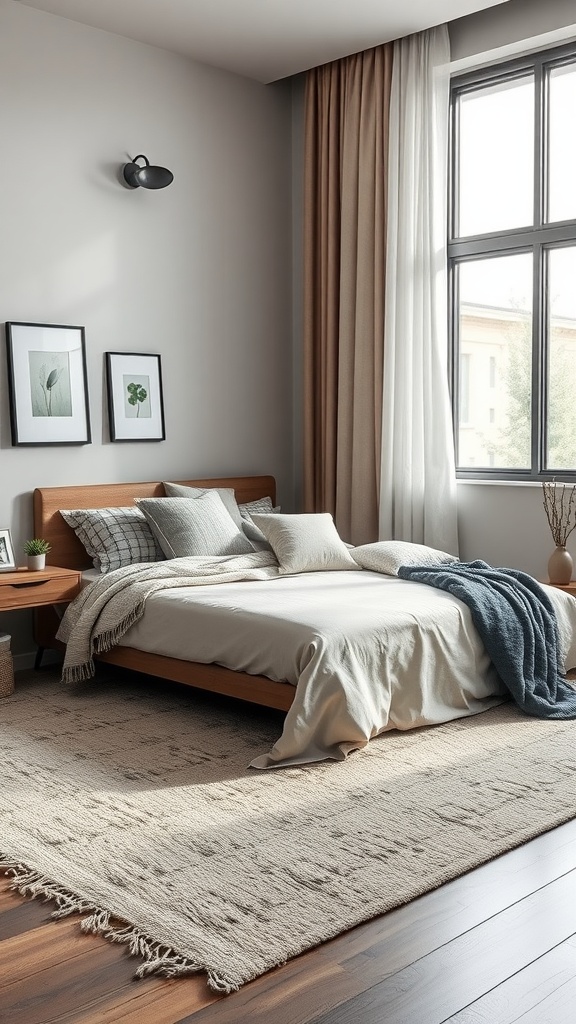
24. Layered Textures
Wool, linen, woven and knit textures add warmth and depth — welcome in a cool climate and a plain room alike. Texture creates cosiness that costs no floor space, ideal for tight bedrooms.
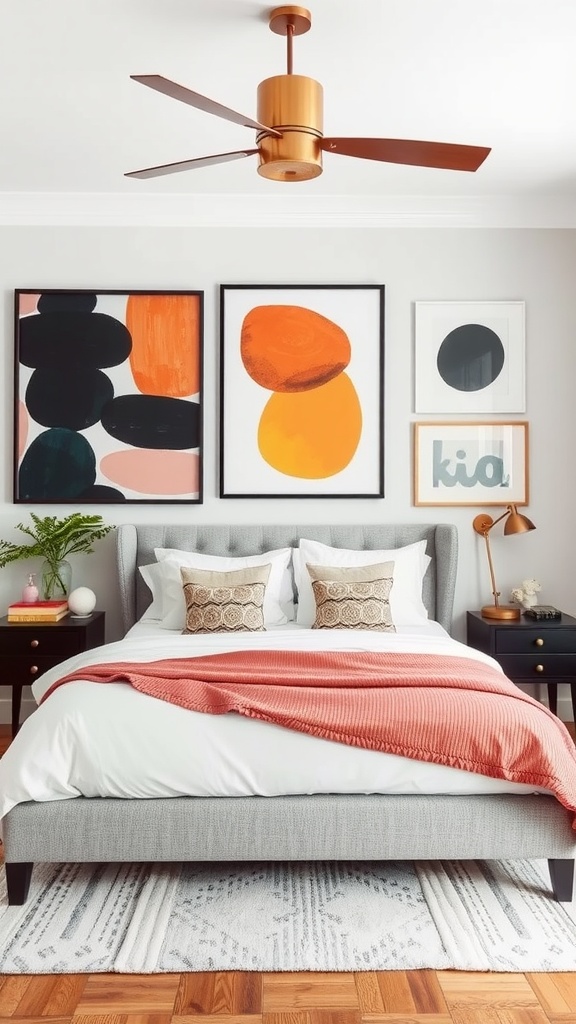
25. One Bold Artwork
A single large, colourful piece gives a neutral British bedroom a focal point without clutter. It draws the eye up and away from a small floor area.
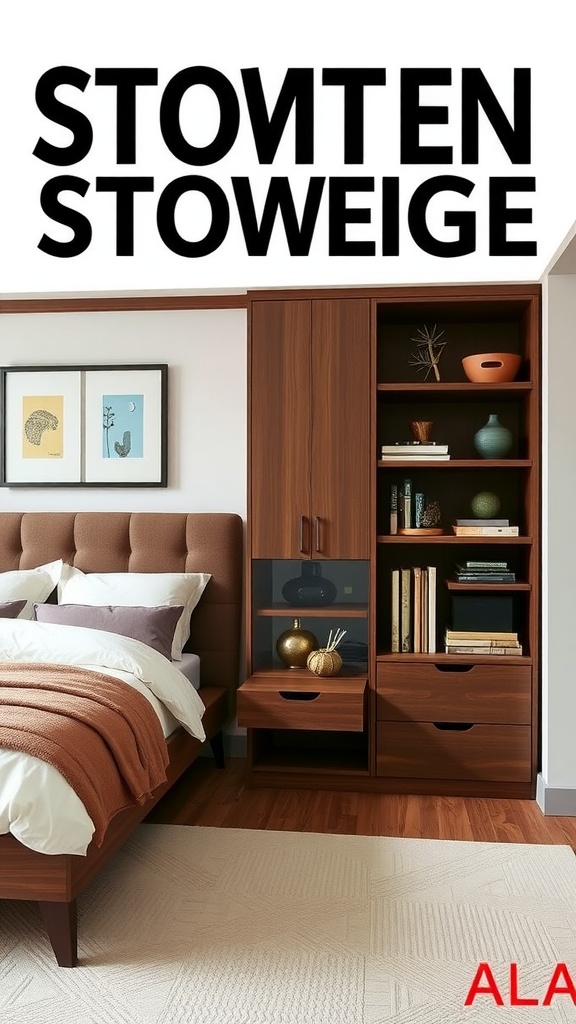
26. Storage That Earns Its Space
Ottoman beds, under-bed drawers and fitted units are near-essential given how little storage British bedrooms come with. Choose pieces that store as well as they look — every one should do two jobs.
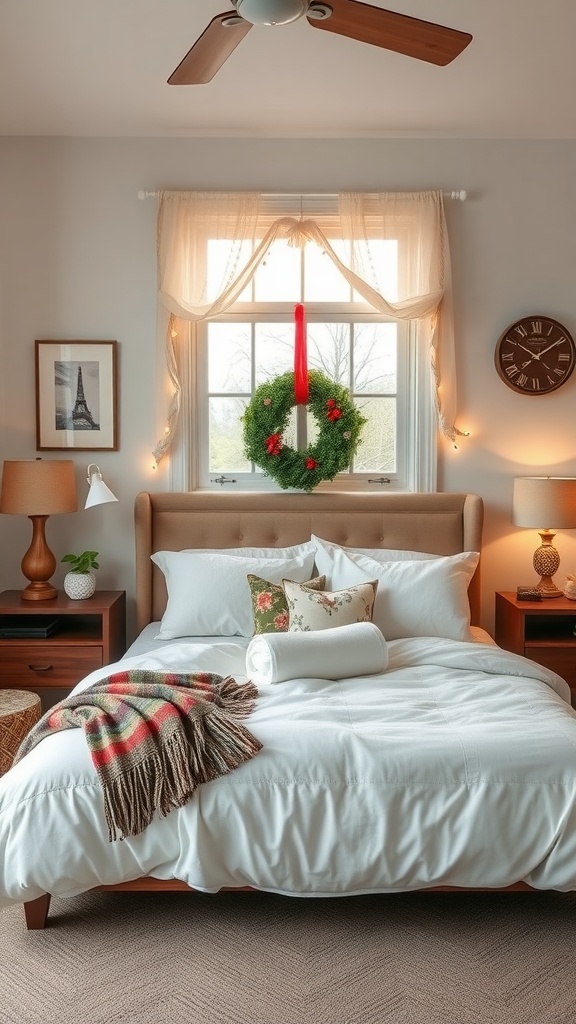
27. Seasonal Layering
Swapping textiles with the seasons — heavier throws and warmer tones for our long winters — keeps the room comfortable and fresh. It's a cheap, low-effort way to respond to the British climate.
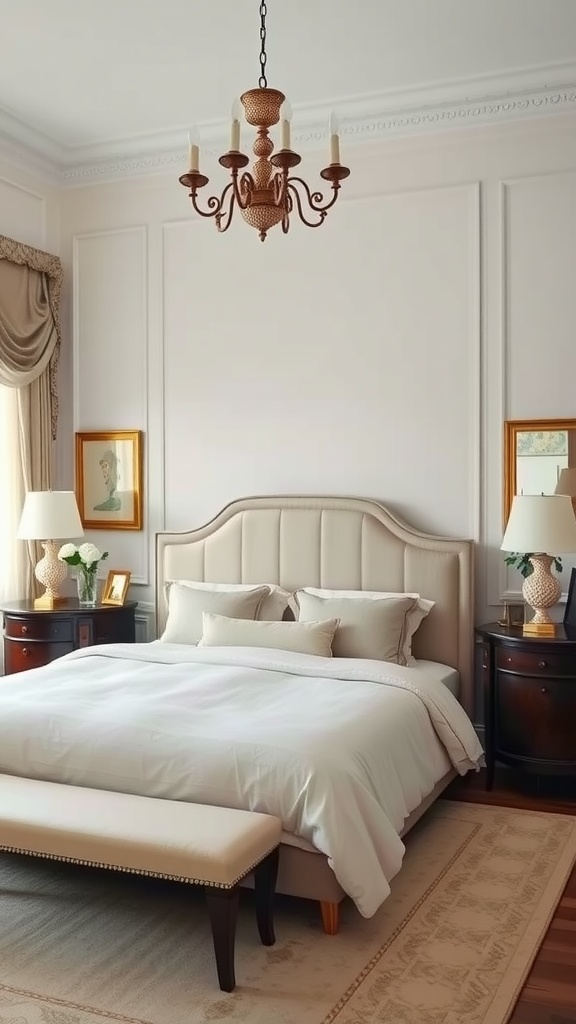
28. Understated Elegance
A restrained, quality-led scheme reads timeless and suits the British preference for the unshowy. Fewer, better pieces in a calm palette age well and never look try-hard.
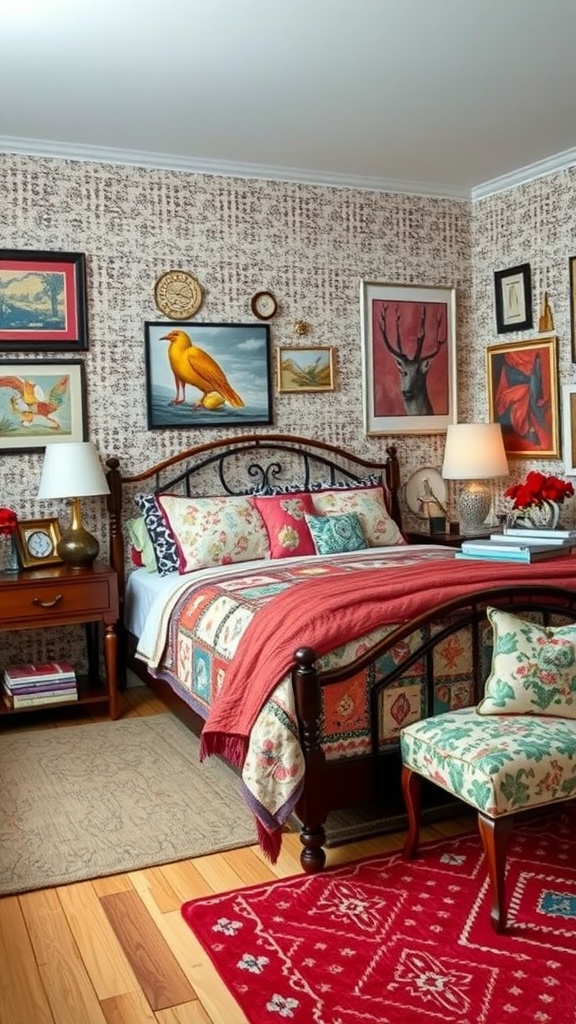
29. Mixed Patterns
Florals, stripes and prints layered together suit the country and cottage traditions of British decorating. Vary the scale and share a palette so the mix reads considered rather than busy.
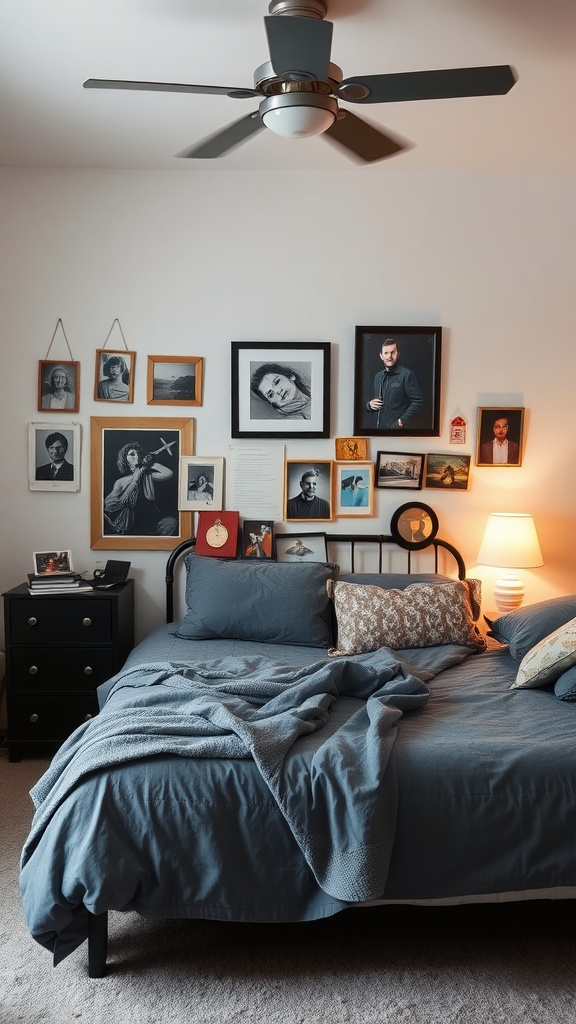
30. Personal Mementos
Framed photos and keepsakes on the wall make the room yours and use vertical rather than floor space. It's the cheapest, most personal decor there is — and space-efficient in a small room.
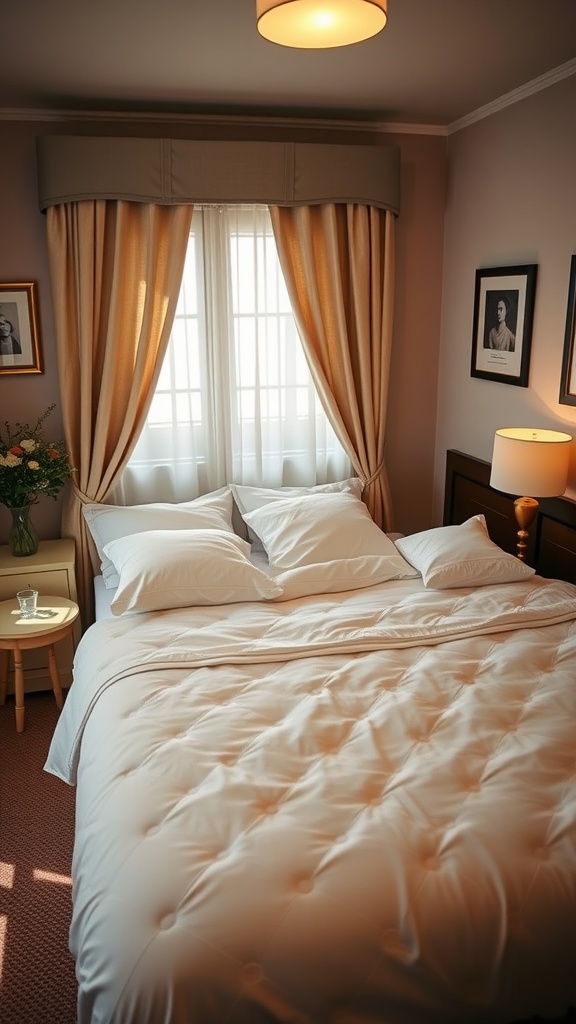
Bonus: A Welcoming Guest Room
Even the smallest British spare room becomes hospitable with crisp bedding, warm light, curtains and somewhere to put a bag. A day bed or sofa bed lets the room double as a study between visitors.
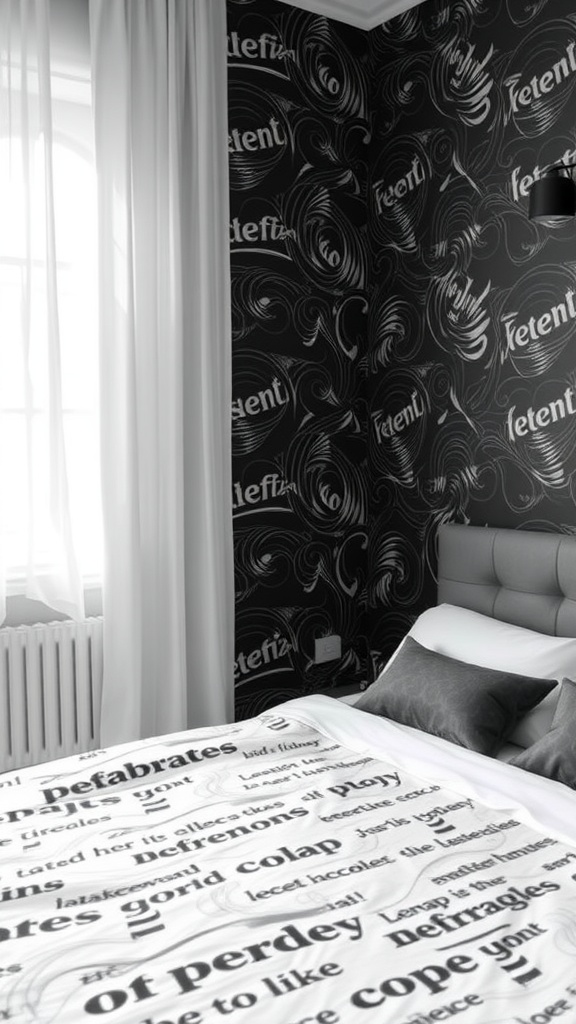
Bonus: A Bold Wallpaper Statement
A dramatic paper on the chimney breast alone gives maximum impact for one roll and leaves the room feeling open. Confining bold pattern to that one architectural wall is the classic British compromise between drama and space.
Designing around British housing quirks
Whatever style you choose, these are the practical calls that a UK room forces on you — worth getting right before decorating:
- Fit out the alcoves. In a period home, fitted wardrobes, shelving or a desk in the chimney-breast alcoves are the best storage you can add — more capacity than a freestanding wardrobe, in dead space, looking bespoke.
- Work with the radiator, not against it. Don't block it with the bed or a wardrobe. Use sill-length curtains at a radiator window (or a radiator shelf), so heat goes into the room rather than up behind full-length drapes.
- Leave air behind wardrobes on external walls. Cold British walls breed condensation; an air gap behind furniture prevents mould on the wall and the furniture back.
- Use the right fixings. New-build plasterboard needs proper plasterboard anchors or a stud behind it; period lath-and-plaster needs care. A heavy mirror or shelf pulled out of the wall is a common, avoidable mistake.
- Curtain for warmth, not just looks. With draughty single glazing common in older homes, heavy lined or interlined curtains cut real heat loss over winter.
- Measure for UK bed sizes. Single 90 × 190 cm, double 135 × 190 cm, king 150 × 200 cm — and check you keep a 60–70 cm gap down at least one side.
UK bedroom FAQ
How do I make a small UK bedroom feel bigger? Plan the layout before the style: keep the floor as clear as possible, use fitted alcove storage and under-bed drawers instead of bulky freestanding pieces, choose light warm colours to reflect our limited daylight, hang art and mirrors to draw the eye up, and keep tall furniture off the window wall. Space planning does more than any decorating trick.
What can I do with the alcoves either side of the chimney breast? They're the best storage opportunity in a period British bedroom — fit wardrobes, shelving or a built-in desk into them. Squaring off the recess gives far more capacity than a freestanding wardrobe in the same space and looks bespoke. The chimney breast itself makes a natural feature wall.
Should I put my bed in front of the radiator? Try not to — a bed or wardrobe against a radiator wastes the heat and can dry out or scorch the furniture. Where the radiator sits (usually under the window) often dictates the layout, so plan around it. If curtains hang over a radiator, use sill-length ones or a radiator shelf so the heat isn't funnelled out of the room.
Why do I get mould behind my wardrobe? Cold external walls plus trapped air cause condensation, and a wardrobe pushed flat against an external wall stops air circulating. Leave a gap behind it, ventilate the room daily, and avoid drying laundry on the radiator in a closed bedroom.
How do I hang things on new-build (plasterboard) walls? Find a stud to screw into where you can; otherwise use proper plasterboard fixings rated for the weight. Standard screws or wall plugs meant for masonry will pull straight out of plasterboard — a frequent cause of shelves and mirrors coming down.
Common UK bedroom mistakes
- Choosing style before planning space. In a small British room the layout has to work first; decorate second.
- Blocking the radiator. Furniture or full-length curtains over a radiator waste your heating. Plan around it; use sill-length curtains or a shelf.
- Ignoring the alcoves. Leaving chimney-breast recesses empty or filled with a freestanding wardrobe wastes the best fitted-storage spot in the house.
- Wardrobes flat against cold external walls. A recipe for condensation and mould. Leave an air gap and ventilate.
- Wrong wall fixings. Masonry plugs in plasterboard pull out. Use the right plasterboard anchors or find a stud.
- Thin, unlined curtains in a period home. With draughty single glazing, they leak heat all winter. Line or interline them.
Final thought
A British bedroom rewards working with its quirks rather than against them. The rooms are small, so plan the space before the style. The period homes come with chimney breasts and alcoves — turn the alcoves into fitted storage and the chimney breast into a feature. Respect the radiator, keep air moving behind furniture on cold walls, use the right fixings, and curtain for warmth as well as looks. Get those practicalities right and any of these thirty looks will settle happily into a UK home — small, characterful and genuinely comfortable through a British winter.

Sources & principles referenced
- The small size of UK bedrooms (particularly new-builds) and space-first planning.
- UK bed dimensions (single 90 × 190 cm, double 135 × 190 cm, king 150 × 200 cm) and a 60–70 .
- Cm bedside clearance.
- Chimney breasts and flanking alcoves in Victorian/Edwardian housing and the value of fitted alcove storage.
- Radiator placement under windows, avoiding blocking it with furniture, and sill-length curtains or a radiator shelf to prevent heat loss behind full-length drapes.
- The period-home versus new-build distinction (ceiling height, features, single glazing and cold solid walls versus small rooms and plasterboard partitions).
- Condensation on cold external walls, the need for an air gap behind wardrobes and for ventilation.
- Appropriate fixings for plasterboard versus lath-and-plaster.
- Lined/interlined curtains for heat retention with draughty single glazing.
- Warm (2700 K) layered lighting to counter limited British daylight.