
The emo bedroom that works isn't the one painted black from skirting to ceiling — it's the one that reads as somebody's, filled with the music, art and objects they actually care about, in a room that's still dark enough to sleep in and lit well enough to live in. These 28 emo bedroom ideas are built around that balance: how to commit to a dark, expressive aesthetic without ending up in a cave you can't read a book in.
Emo is an identity, not a paint colour
The most common mistake is treating "emo" as a synonym for "black". The aesthetic grew out of a music scene, and its real signature is personal expression — the bands, lyrics, artwork and objects that mean something to the person living there. A room can be entirely black and read as generic; a room with one dark wall and a wall of genuinely meaningful things reads unmistakably emo.
That reframing is freeing, because it moves the work off the paint chart and onto what you already own. Display the record sleeves, the ticket stubs, the band posters, the lyrics that matter. The decorating principle is the same one behind any good personal room: show what you care about, at a scale that means it. Everything else on this list is in service of that.
The physics of a dark room
Dark paint has a low Light Reflectance Value — an inky charcoal or true black sits near the bottom of the 0–100 LRV scale and absorbs most of the light that hits it. That's the whole point aesthetically, but it has a consequence people discover too late: a dark room throws away the daylight it gets and swallows most artificial light too. Paint a small bedroom black with a single ceiling bulb and you get gloom, not atmosphere.
The fix is a lighting plan, not more black paint:
- Multiple small warm sources, not one big one. Three or four lights at different heights — a lamp, string lights, a wall fitting, a candle cluster — give a dark room depth. One overhead fitting flattens it.
- 2700 K warm bulbs throughout. Cool white in a dark room reads harsh and clinical, exactly the wrong mood.
- One proper task light at the desk or bed, bright enough to actually read and draw by. Atmosphere is for the room; your eyes need one honest working light.
- Keep the ceiling lighter than the walls. Even in a dark scheme, a near-black ceiling on a standard-height room drops it onto your head. Let the darkness live on the walls.
Contrast is what makes dark rooms legible
Paint everything the same black and the room loses all its edges — the furniture disappears into the walls, and the eye has nothing to hold onto, which reads as flat rather than moody. Genuine depth in a dark room comes from contrast: a single saturated accent (the classic emo red or purple against black), a metallic (gunmetal, silver hardware), white trim or bedding, or one pale surface that lets everything else read as dark by comparison. Pick one or two of these. The darkest, most atmospheric rooms are never actually monochrome — they just look it at first glance.
Texture does the work colour can't
When you strip colour out of a scheme, texture becomes the only thing left to create interest, and a dark room lives or dies by it. Matte black velvet next to glossy black lacquer next to worn black leather next to a chunky knit throw reads rich and deliberate; four flat black surfaces read like a void. Layer the textiles, mix the finishes, and let matte and gloss sit side by side — this is the single biggest difference between a dark room that looks expensive and one that looks like a dorm.
Build it to come undone
Emo bedrooms are very often teenage rooms or rented ones, and both share a constraint: the aesthetic has to be reversible. Tastes change, leases end, and painting a black room back to white is a genuinely miserable job. So favour the reversible version of every idea — framed posters over taped ones, peel-and-stick over paint, removable hooks over nails, a dark duvet over dark walls. You get the same look and keep the option to change your mind, which at this age and in this aesthetic you very well might.
28 emo bedroom ideas — and why each works

1. Warm String Lights
The cheapest way to add the several small light sources a dark room needs, and they read as atmosphere rather than utility. Choose warm-white, not cool or colour-shifting, or the whole room goes cold.
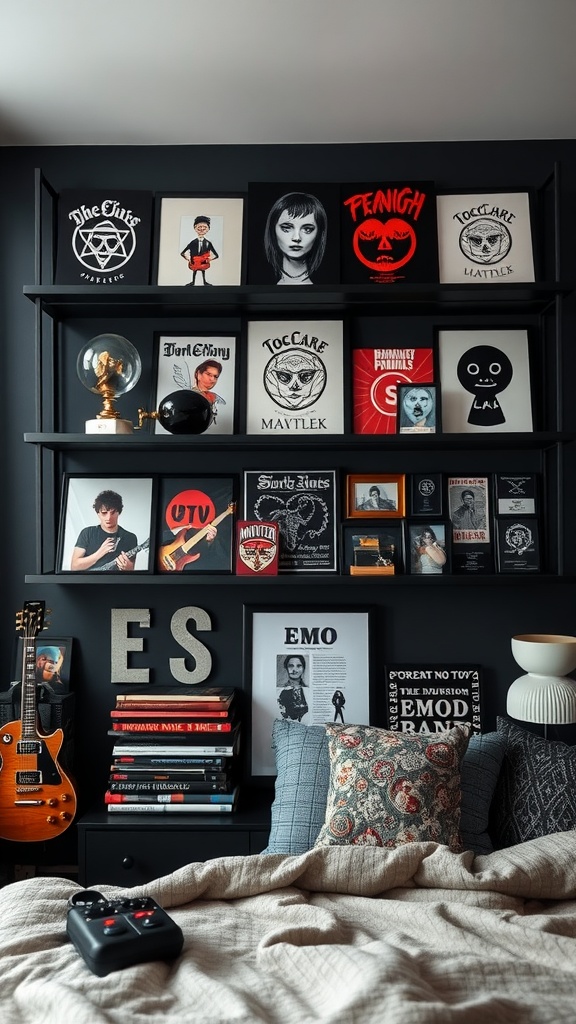
2. A Memorabilia Display
This is the actual heart of an emo room — the objects that mean something, given wall space and a light on them. Framing ticket stubs, patches and record sleeves treats them as the collection they are.
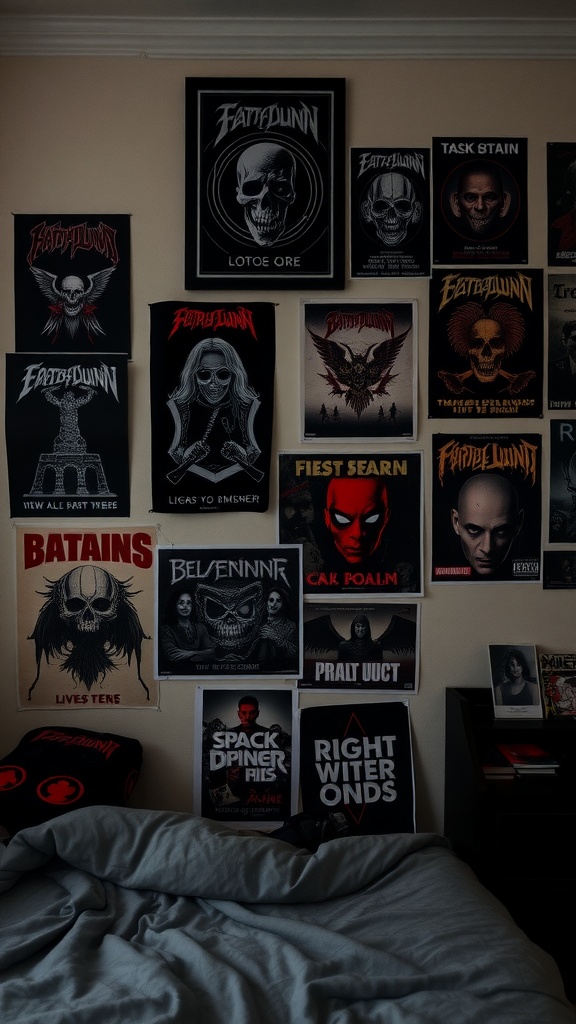
3. A Poster Wall
Band posters are the genre's foundational decor, and massing them fills a wall with personality for almost nothing. Frame the ones you love or use black washi tape for clean edges — both beat curling corners and blobs of Blu-Tack.

4. Dark Bedding as the Base
The bed is the largest surface in the room, so dark bedding delivers the aesthetic without committing you to painting the walls. It's also the most reversible dark element there is — swap a duvet cover, change the whole mood.
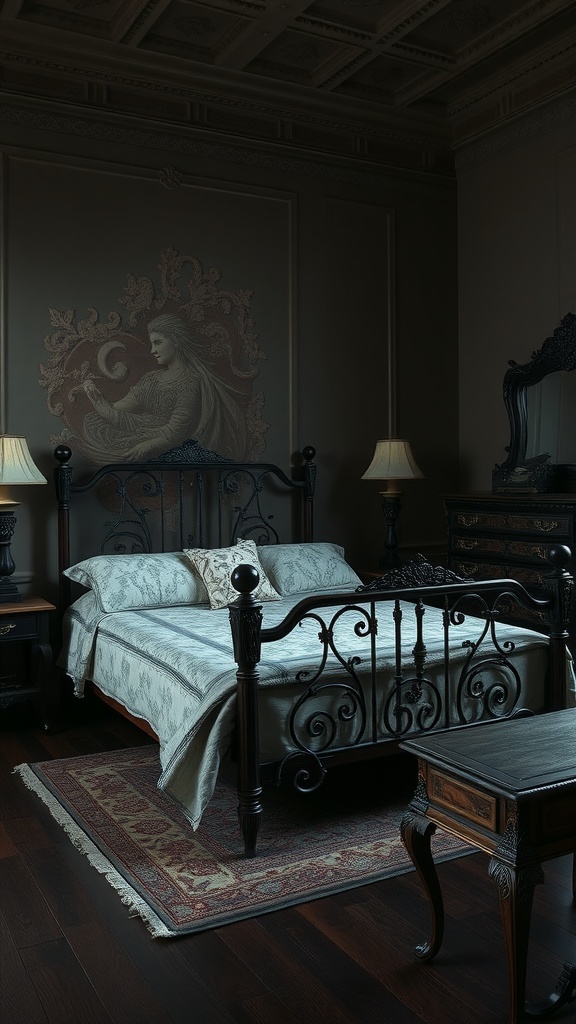
5. One Ornate Statement Piece
A single gothic or Victorian-style frame or headboard anchors the room and does more than a dozen small dark accessories. Let it be the hero and keep everything around it simpler.

6. A DIY Collage Wall
Handmade, layered wall decor is more authentic to the aesthetic than anything bought finished, and it costs only time. The slight messiness is the point — this is the one place perfection would read as wrong.

7. A Seating Corner
Somewhere to sit that isn't the bed turns a bedroom into a room you spend time in, which is what these rooms are for. A small chair or loveseat in a corner with its own low light is enough.

8. Layered Window Treatments
Black lace or sheers over a blackout blind gives you the look by day and real darkness for sleep at night. The two layers do different jobs — decoration and function — and you need both.
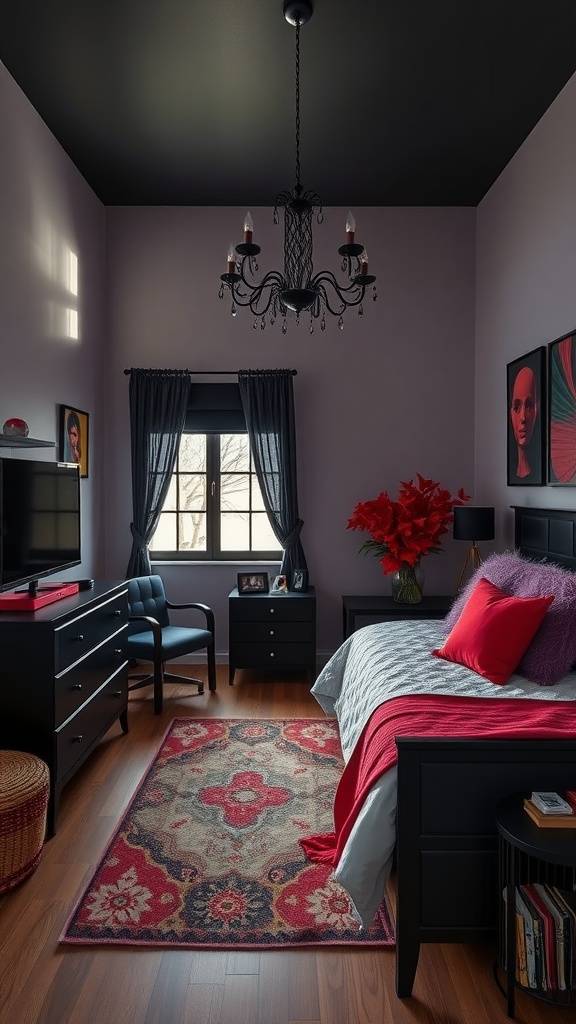
9. Black With One Pop of Colour
A single saturated accent — the classic emo red or a deep purple — against black is what stops the scheme reading flat. Keep it to one colour and repeat it two or three times so it looks chosen, not accidental.
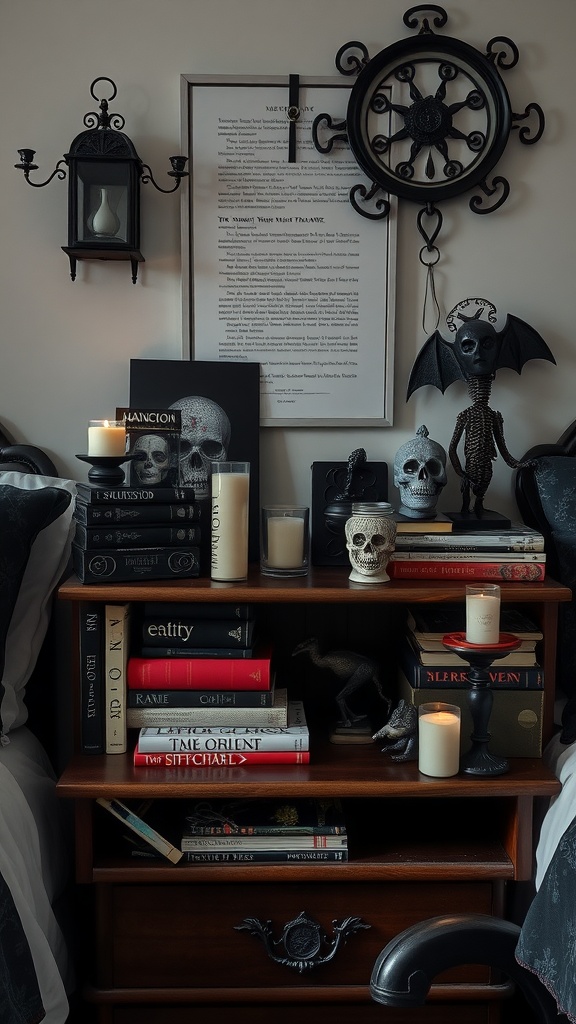
10. A Curated Nightstand
The nightstand is a small stage at eye level from the bed, so it rewards a tight edit — a candle, a couple of books, one object with meaning. Cluttered, it just reads as a dumping ground with skulls on it.
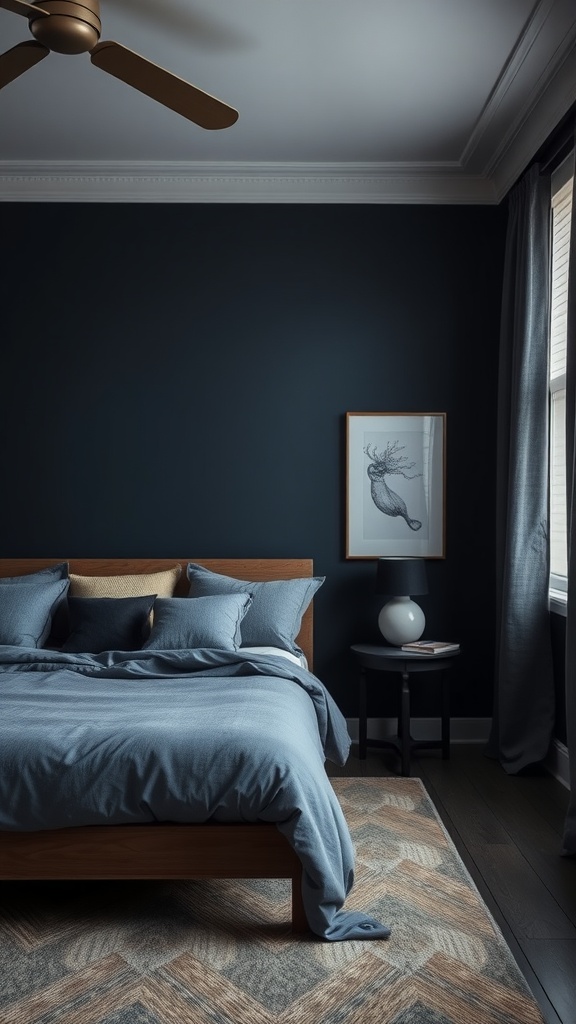
11. Deep Colour Instead of Pure Black
A very dark blue, plum or forest green gives you the moody depth of black but keeps a trace of colour, which reads warmer and less severe. In a small or low-light room this is often the smarter dark.
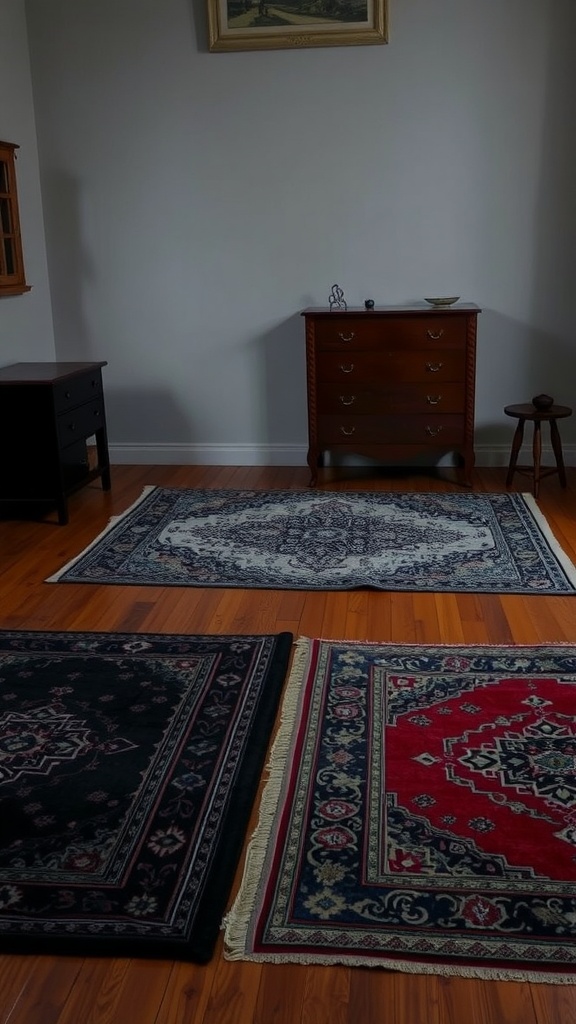
12. Layered Rugs
Overlapping rugs add the texture a dark scheme depends on, and they soften both the acoustics and the feel of a hard floor underfoot. Different pile heights and patterns give more depth than one large rug does.
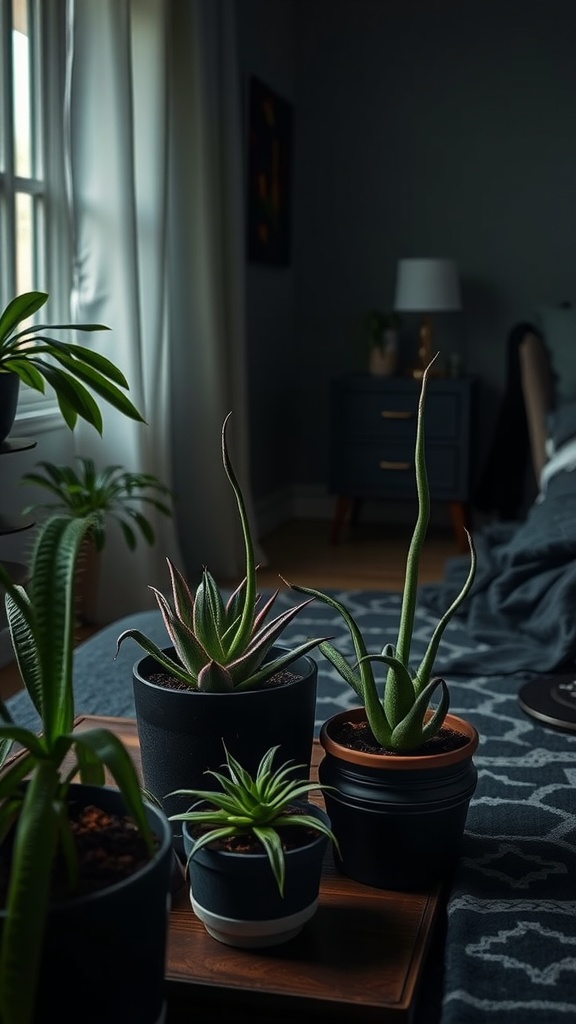
13. Plants Against the Dark
Green foliage reads vivid against a dark background, and living things stop a moody room tipping into gloom. Trailing species suit low light and add movement to otherwise static walls.

14. Text and Slogan Pillows
Lyric and slogan cushions carry the genre's voice literally, and they're a low-commitment, low-cost way to change the room's tone. Being textiles, they also add the softness a dark room needs.
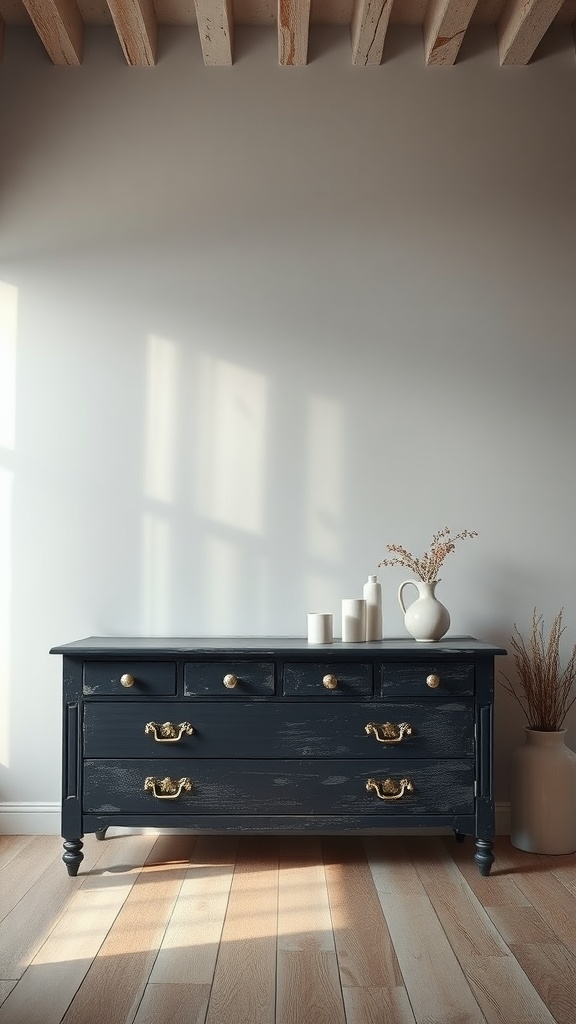
15. A Painted Second-Hand Dresser
Repainting a thrifted dresser black is cheaper than buying dark furniture and fits the DIY ethos exactly. Contrasting hardware — gold, brass, gunmetal — supplies the built-in contrast a black piece needs.
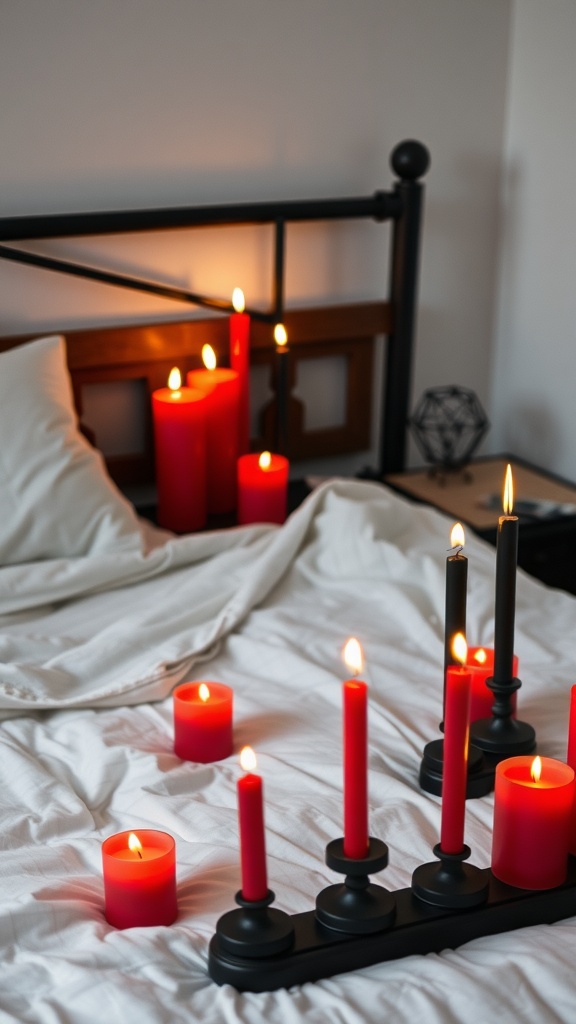
16. A Candle Cluster
Grouped candles are the definitive emo light source — warm, low, flickering — and they're another of the small sources a dark room wants. Use LED candles anywhere near fabric; a dark bedroom full of textiles is not the place for open flames unattended.
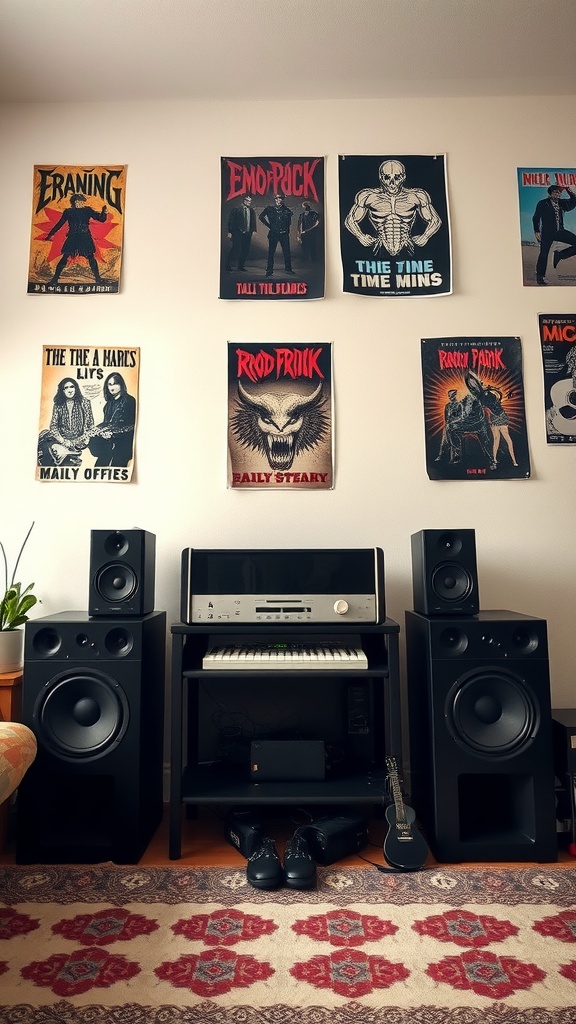
17. A Real Sound Setup
The aesthetic came from music, so a proper speaker or turntable setup is decor and function at once — and it's honest to what the room is about. Displayed rather than hidden, it becomes a centrepiece.
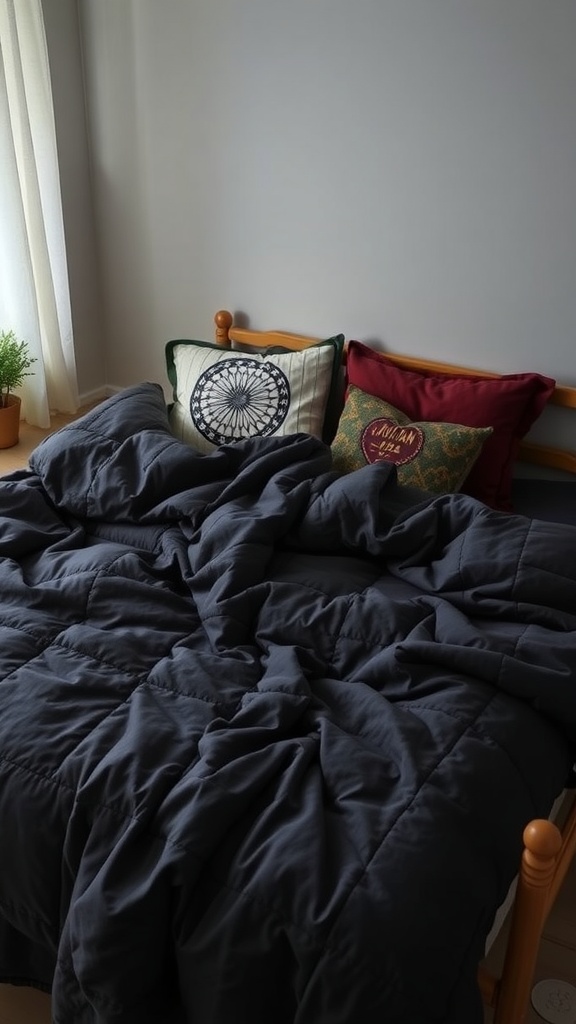
18. Layered Bed Textiles
A dark duvet with a mix of pillows and a throw builds the depth and comfort that make the bed the room's anchor. Vary the textures — a knit, a velvet, a smooth cotton — so the layers read as considered.

19. A Desk for Making Things
These rooms are usually for people who write, draw or play, so a working desk earns its place. This is exactly where the one bright, honest task light belongs — atmosphere elsewhere, real light here.
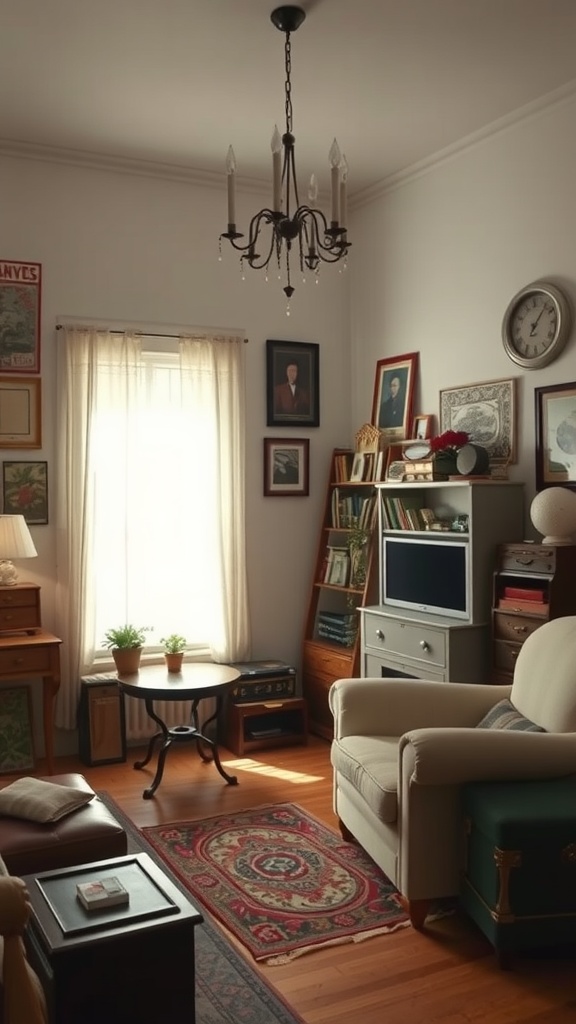
20. Vintage and Second-Hand Finds
Thrifted pieces bring age and individuality that flat-pack furniture can't, and they suit both the budget and the anti-mainstream spirit. One characterful old find outweighs several new "dark aesthetic" buys.
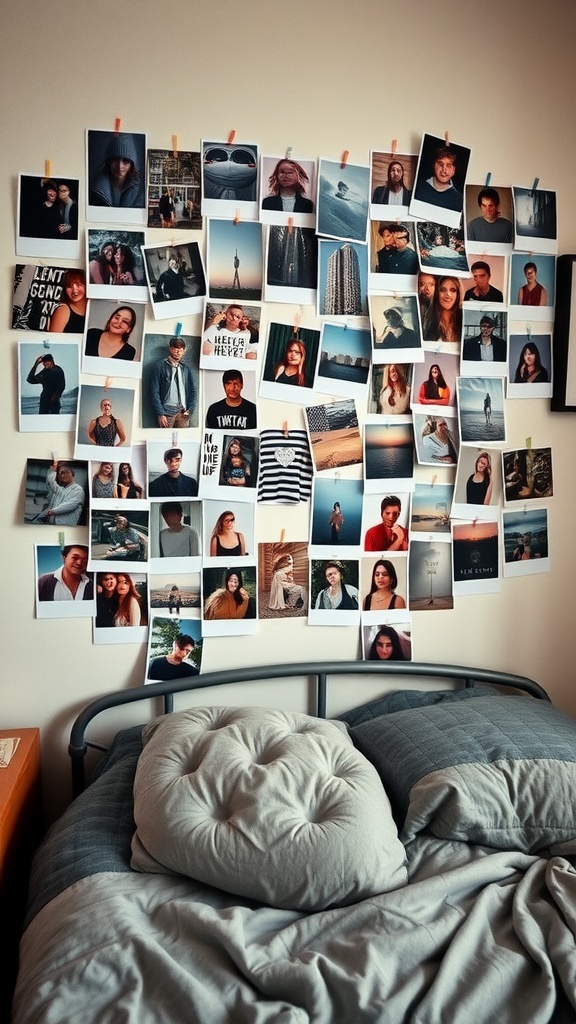
21. A Photo Wall
Personal photographs are the one thing no shop can sell you, which makes them the most authentic decor in the room. A dense, overlapping arrangement suits the aesthetic better than a tidy grid.

22. A Hand-Lettered Lyric Wall
Painting or lettering lyrics that matter to you makes the wall unrepeatable and unmistakably yours. Keep it to one wall and one hand so it reads as a statement, not graffiti.
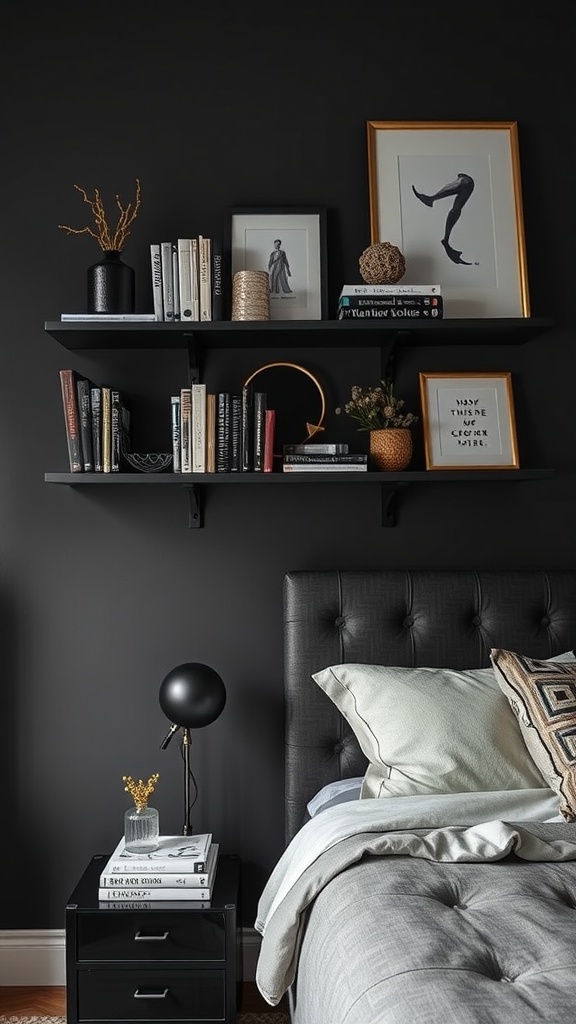
23. Open Shelves for Display
Shelves put books, records and objects on show while taking no floor space, and against a dark wall the contents read as a lit collection. They use vertical space that dark rooms otherwise leave empty and heavy.
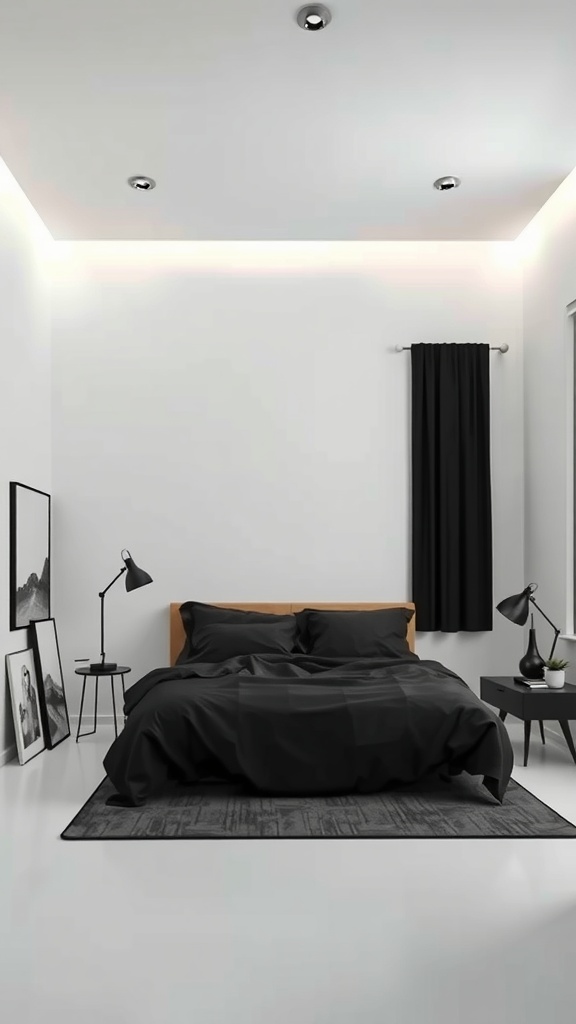
24. Black Against White
Keeping the walls white and doing the drama in black bedding, curtains and decor is the most reversible route to the look — and the white supplies the contrast automatically. Ideal for renters, and it keeps a small room feeling open.

25. Storage That Keeps the Floor Clear
A dark room reads as gloom the moment it's also cluttered, so closed storage is what keeps atmosphere from becoming mess. Boxes and baskets hide the everyday and leave the deliberate objects to speak.

26. Instruments on Display
A guitar on a wall mount is both stored and shown, and few objects say more about who the room belongs to. Wall-mounting also protects it and frees the floor.

27. A Chalkboard Wall
A wall you can rewrite suits an aesthetic built on changing moods, and chalkboard paint happens to be very dark — check the room's overall light level before committing a whole wall to near-zero LRV. One panel is often plenty.
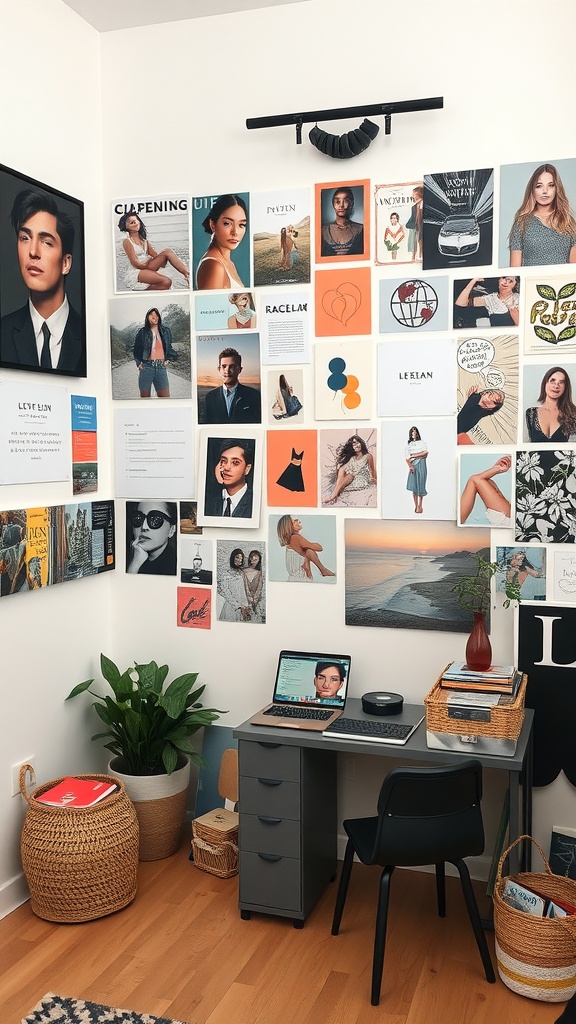
28. A Mood Board
A pinboard above the desk keeps the room evolving — new tickets, clippings and photos go up as they happen. It's the emo room in miniature: a curated, changing display of what currently matters.
How to do a dark bedroom without living in a cave
Almost every failed dark room fails for the same reason — it went dark without a lighting plan. Get these right and a black bedroom can be genuinely restful and still work at 9am:
- Layer at least three warm light sources. A bedside lamp, string lights or a wall fitting, and one task light. All 2700 K. Never rely on the ceiling bulb alone.
- Keep one bright, honest task light at the desk or bed for reading, drawing and getting dressed. Mood lighting can't do this job, and eye strain isn't an aesthetic.
- Let the ceiling and one surface stay lighter. Full contrast on the walls, relief overhead — a near-black ceiling in a standard room feels oppressive fast.
- Use the dark for sleep deliberately. This is the one place darkness is a genuine functional win: blackout the window properly and the room supports deep sleep better than a pale one ever will.
- Add life and texture against the dark. Plants, layered textiles and mixed finishes keep "moody" from sliding into "grim".
Emo bedroom on a budget
This is fundamentally a low-budget aesthetic — it began with teenagers and thrift shops, and it still rewards them. Where the money doesn't need to go, and where a little helps:
Nearly free. Print and frame posters and photos. Rearrange what you own onto one display wall. Paint a charity-shop dresser black. Make a collage or mood board. Cluster the candles and lamps you already have for instant layered light.
Under $60. Warm-white string lights, a set of 2700 K bulbs to replace cool ones, a dark duvet cover, a couple of slogan cushions, black washi tape and cheap frames for the poster wall.
Under $200. A blackout blind plus a sheer or lace layer, one characterful vintage statement piece, a decent bedside lamp, a set of floating shelves, and a proper wall mount for the guitar. Paint is the only thing here that isn't easily reversible — dark bedding and a white wall get you 80% of the look with none of the repainting.
Emo bedroom FAQ
Do I have to paint the walls black? No — and often you shouldn't. Dark bedding, curtains and decor against a white or pale wall give the same drama, keep a small room feeling open, supply built-in contrast, and are completely reversible. Reserve dark walls for rooms with good natural light and a real lighting plan.
How do I keep a dark bedroom from feeling depressing? Three things: layered warm lighting so it's atmospheric rather than gloomy, contrast and texture so surfaces read as rich rather than flat, and living elements — plants, personal displays — so it feels inhabited. A dark room that's also well-lit and full of meaning reads cocooning, not grim.
What colours count as emo besides black? Deep red and purple are the classic accents; very dark blue, plum and forest green work as softer alternatives to pure black on the walls. The formula is a dark base plus one saturated accent, repeated.
Is an emo bedroom a good idea in a rental? Yes, if you keep it reversible. Framed posters, peel-and-stick, removable hooks, dark textiles instead of dark paint, and a blackout blind that comes down with you. Avoid painting unless you're prepared to paint it back.
How is emo different from goth or grunge decor? They overlap, but the emphasis differs: emo centres on music and personal, emotional expression; goth leans harder into ornate, dramatic, Victorian-Gothic styling; grunge is about raw texture and curated imperfection. Emo is the most personal and display-driven of the three.
Common emo bedroom mistakes
- Painting everything black with one ceiling light. The single most common failure — you get gloom, not atmosphere. Dark demands layered warm lighting.
- No contrast. All-black with no accent, no metallic and no texture variation reads flat and featureless, not moody.
- Buying "the aesthetic" ready-made. A room of shop-bought dark decor misses the point; the genre is personal, and the meaningful, handmade and thrifted things are what make it read true.
- Skipping the task light. Mood lighting alone means eye strain every time you read or draw. Keep one bright, warm working light.
- Irreversible choices in a room you'll outgrow. Dark paint on plaster you'll want white again in two years is a lot of future work for a look you can get from bedding.
- Clutter mistaken for character. A dark room shows mess as gloom. Edit the display, hide the rest.
Final thought
An emo bedroom is really a personal one wearing a dark palette — the aesthetic lives in what you choose to show, not in how much black you can fit on the walls. Get the lighting layered and warm, build in contrast and texture so the dark reads rich, keep one honest working light, and fill the walls with the things that actually mean something to you. Do that and the room will feel like yours — which, for this look more than any other, is the entire point.

Sources & principles referenced
- The origins of the emo aesthetic in an emotionally expressive music subculture, and its emphasis on personal display.
- Light Reflectance Value and the low reflectance of dark and black paints.
- Layered lighting for low-reflectance rooms with multiple warm (2700 K) sources and a dedicated task light.
- The role of contrast and mixed matte/gloss texture in giving dark schemes depth and legibility.
- Darkness and blackout as a genuine aid to sleep quality.
- Reversible decorating strategies for rental and youth rooms (framed and peel-and-stick alternatives to paint and nails).
- Fire safety guidance favouring LED candles around textiles.