

Almost everyone's bedroom contains something from IKEA — which is exactly the problem. The furniture is well-designed and genuinely affordable, but a room built entirely from this year's catalogue tends to look like it. These 40 IKEA bedroom ideas are organised around the real skill: getting the value and the function while making the flat-pack disappear, so the room reads as yours rather than as a showroom you recognise.
Why IKEA looks like IKEA — and how to break the tell
The giveaway is rarely quality; it's ubiquity plus a few visible shortcuts. Everyone has seen the same pieces, so the eye recognises them instantly, and a handful of cost-saving details — the standard knob, the thin laminate edge, the plain plinth, the gap where a unit meets the wall — announce the price point. Break those recognitions and the same piece stops reading as flat-pack.
Three moves do most of the work, and the rest of this list is variations on them: customise the visible details (handles, fronts, legs, paint), never build an all-IKEA room (mix in other things so no single source dominates), and assemble and finish it properly (level, reinforce, scribe to the wall). Get those right and you keep the budget while losing the look.
The hack that pays for itself: swap the details
The cheapest, highest-impact upgrade is changing the parts you touch and see most:
- Handles and knobs. The standard hardware is the single loudest tell. Swapping in brass, leather, ceramic or vintage handles transforms a dresser for the price of a coffee round, and it's reversible for renters.
- Legs and plinths. Replacing the standard base with tapered wooden legs or hairpin legs changes a piece's whole character — mid-century, industrial, whatever you want.
- Fronts. For the big carcass systems, third-party companies make premium doors and drawer fronts (real oak, fluted, painted) that clip onto the standard boxes. This is how flat-pack becomes "fitted".
- Paint. A quality primer made for laminate plus a good topcoat lets you colour a plain white piece to match your room. Preparation is everything — laminate needs the right primer or the paint won't hold.
Never build an all-IKEA room
A room where the bed, nightstands, wardrobe, lamps, textiles and frames all come from the same catalogue reads as a display, because nothing interrupts the pattern your eye is trained to spot. The fix is simply to dilute: pair the affordable flat-pack base with a few pieces from elsewhere — a vintage nightstand, a real-wood chair, an inherited mirror, a marketplace rug. Once the sources are mixed, the IKEA pieces stop announcing themselves and simply become "the furniture". Use IKEA for the sensible backbone (storage, the bed frame, lighting) and spend your character budget on one or two contrasting finds.
Invest in the carcass, upgrade the surface
Not all flat-pack is equal, and knowing where the value sits saves money and disappointment. The frames and carcasses — wardrobe systems, bed frames, drawer boxes — are generally well-engineered and worth buying; they're the structure. The visible finishes — standard fronts, hardware, tops — are where the cost was cut, and where your upgrades go. Buy the good bones cheap, then spend a little on the surface. A basic wardrobe system with custom fronts and handles reads as built-in joinery at a fraction of the cost of the real thing.
Assemble it like it matters
Flat-pack lives or dies on assembly. A piece built in a hurry — not square, cam-locks not fully turned, back panel bowing, not fixed to the wall — will look and feel cheap and won't last. Build it slowly and fully, level it with felt pads or shims, tighten everything, and always use the wall-anchor on tall units (a tipping wardrobe or chest is a genuine danger, especially around children). For built-in effects, scribing or trimming a filler panel to close the gap between unit and wall is the detail that turns "freestanding flat-pack" into "fitted".
40 IKEA bedroom ideas — and why each works
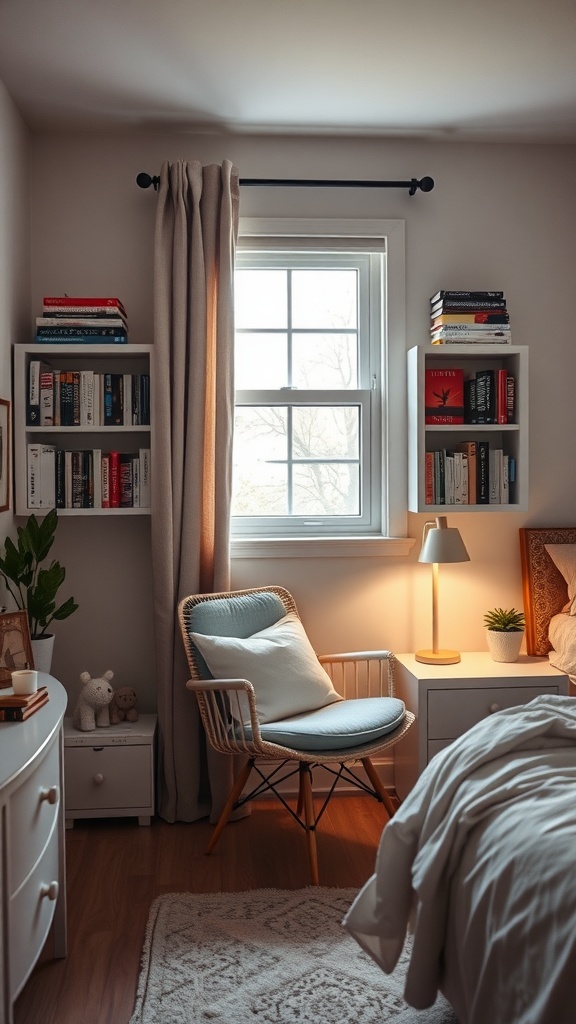
1. A Reading Nook from Basics
An affordable armchair and a simple bookcase make a genuine reading corner for very little. Add a warm lamp and a throw and the cheap pieces disappear into a cosy, personal scene.
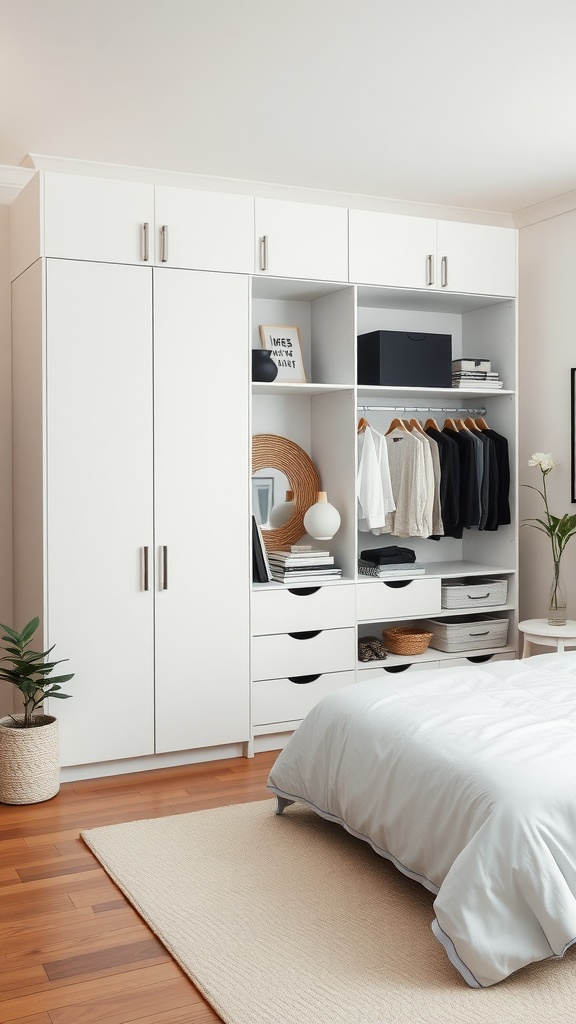
2. A Wardrobe System as the Backbone
The modular wardrobe systems are among the best-value storage anywhere, and their carcasses are genuinely solid. Buy the frame cheap, then upgrade fronts and handles to lift it toward fitted joinery.
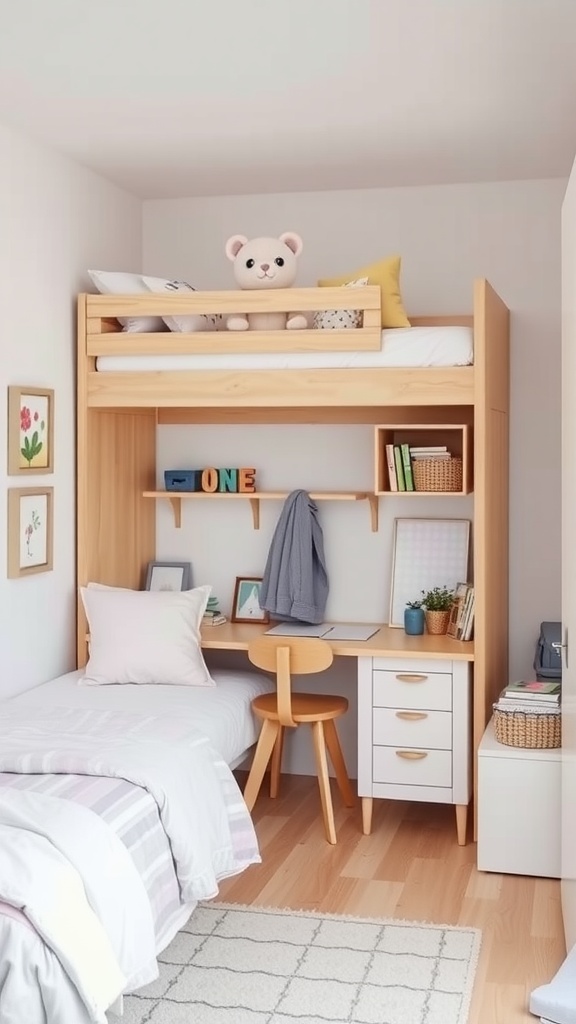
3. A Loft Bed Over a Desk
Raising the bed to free the floor beneath for a desk is one of the highest-value moves in a small room. Flat-pack loft frames make this cheap; just anchor it and check the clearances above and below.
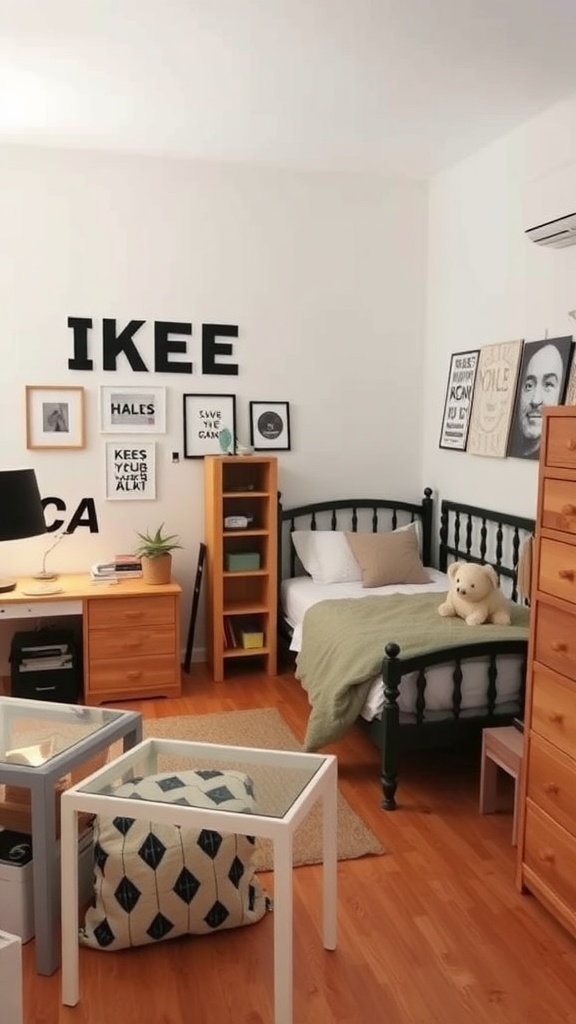
4. The Classic IKEA Hack
Customising a standard piece — new fronts, legs, paint or trim — is the whole art of making flat-pack look bespoke. The base is a blank canvas; the character comes from what you change.
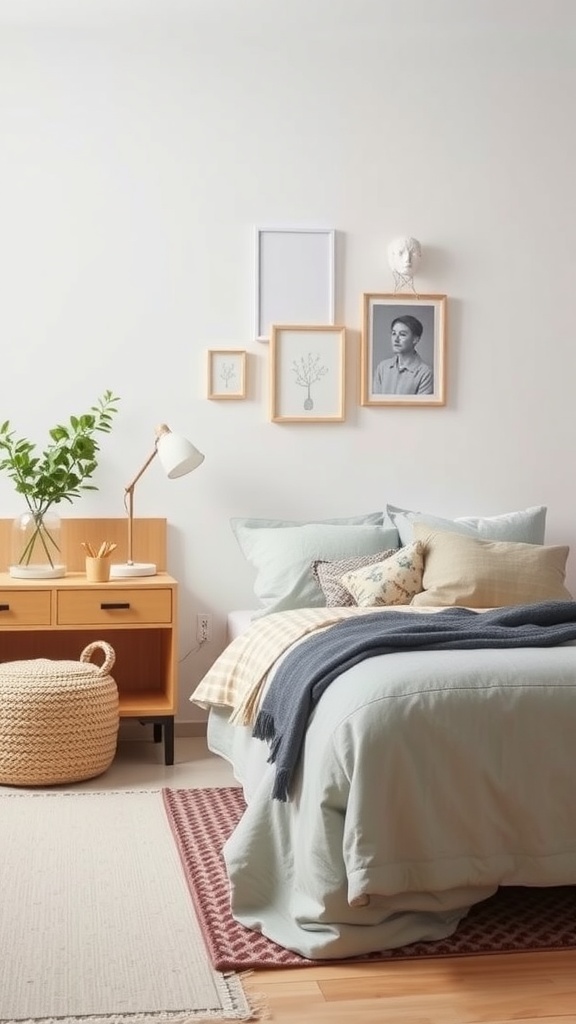
5. A Neutral, Natural Palette
Light wood and soft neutrals suit the Scandinavian roots of the range and read calm and current. A restrained palette also makes mismatched-source furniture look intentional and coordinated.
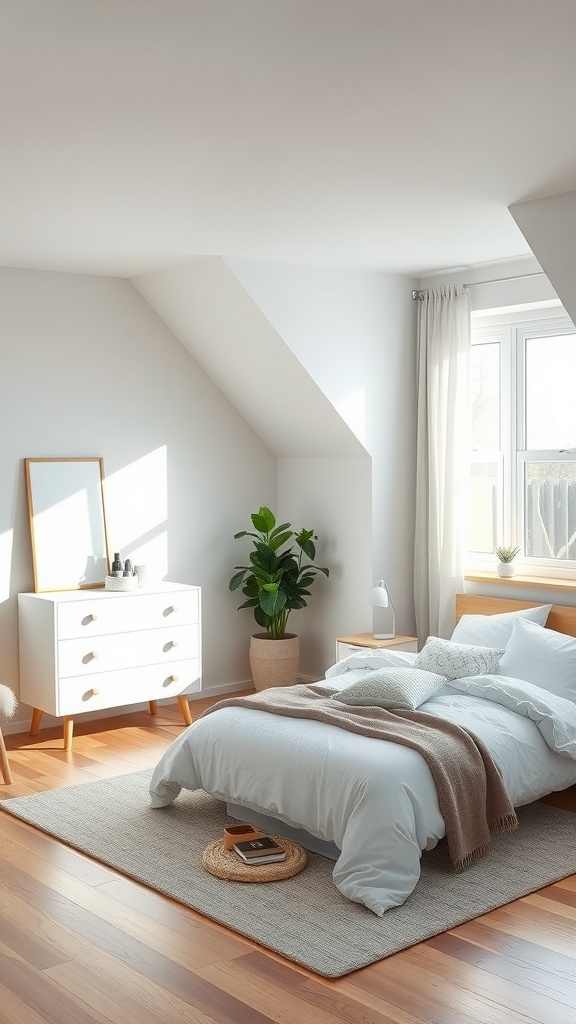
6. Lean into Scandinavian Minimalism
The furniture was designed for this look, so it's the most natural and forgiving direction to take it. Light wood, white walls, plants and restraint let the pieces do exactly what they were made to do.
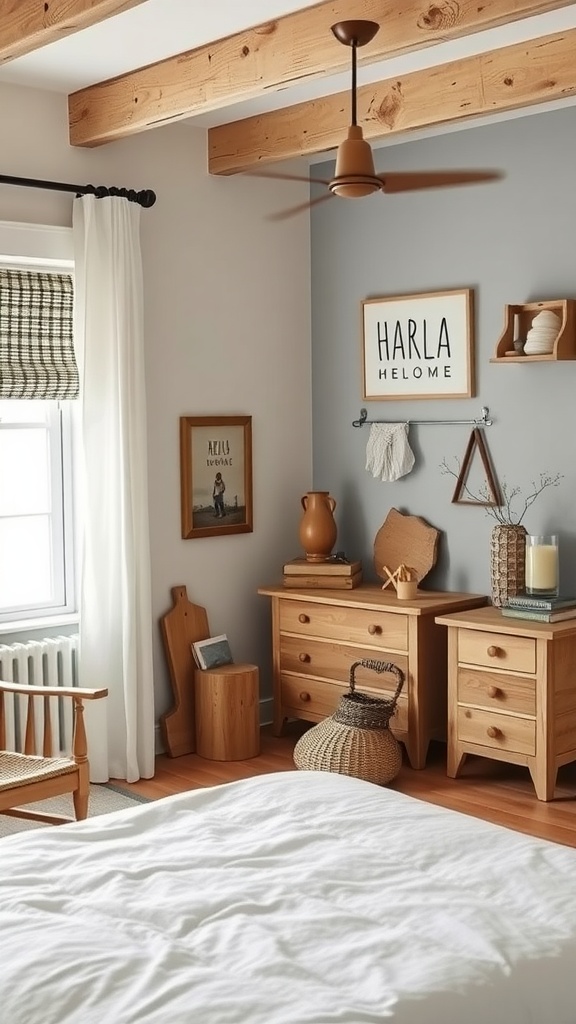
7. Modern Farmhouse Softening
Cosy textures, warm wood tones and a serene palette pull the clean-lined pieces toward farmhouse warmth. Layered textiles are what take the edge off anything that reads too plain.
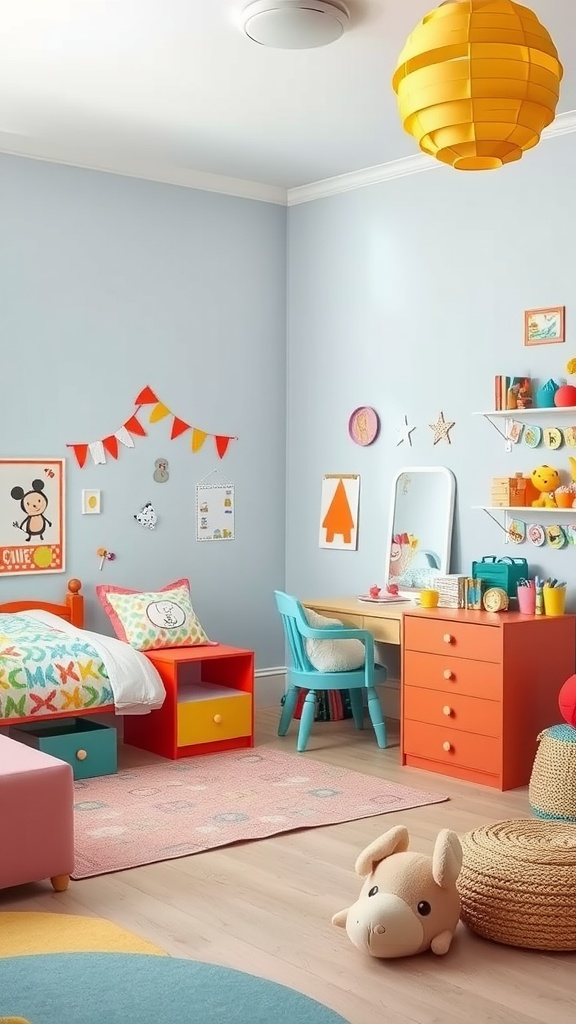
8. Playful Kids' Rooms
For children's rooms the affordability is the point — they outgrow everything fast, so cheap and cheerful is the sensible choice. Add colour and personality with textiles and wall decor rather than costly furniture.
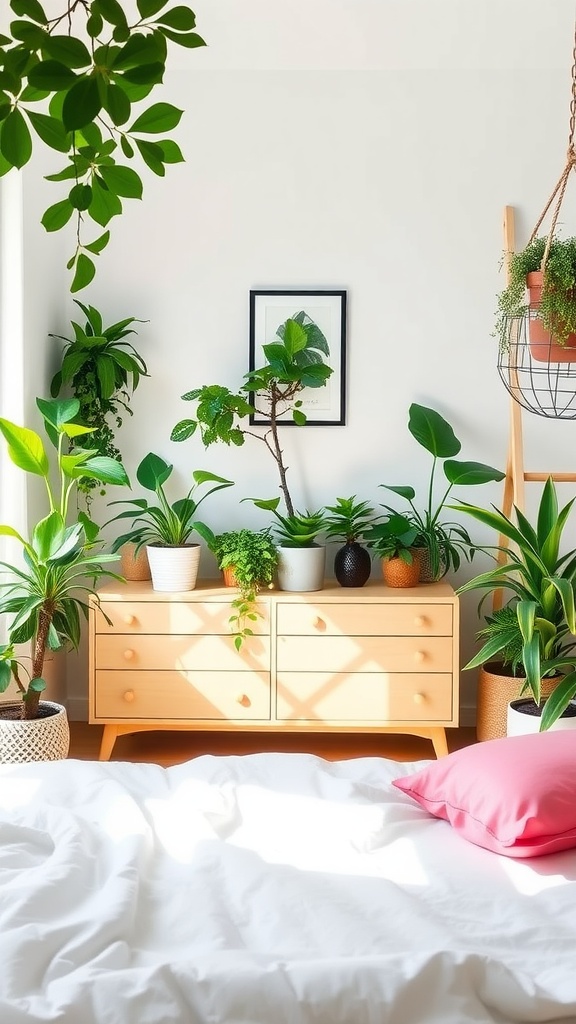
9. Plants to Add Life
Nothing removes the showroom feel faster than living greenery — it signals a real, tended home. Plants also soften the hard edges of minimalist flat-pack for almost nothing.
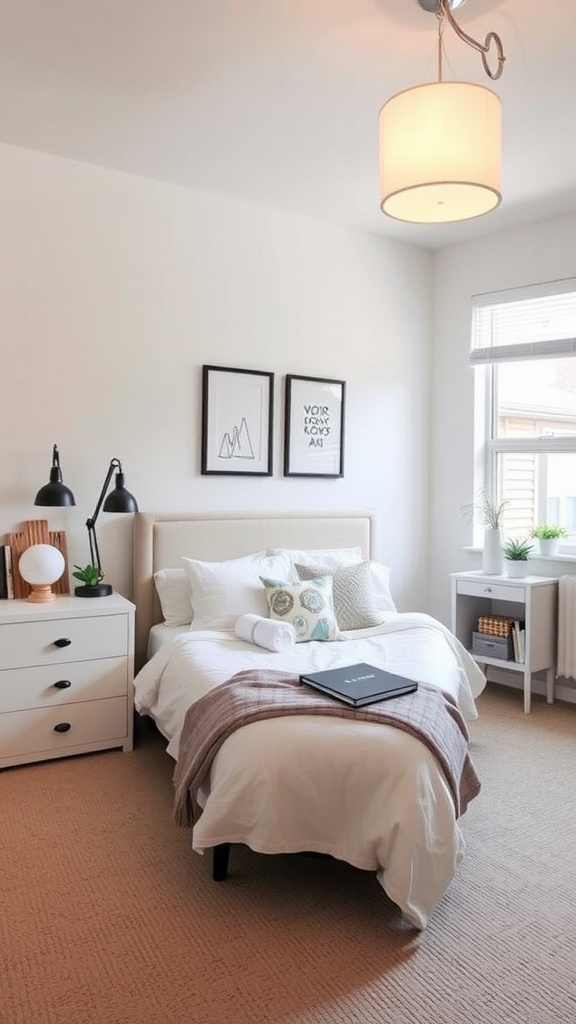
10. A Whole Makeover on a Budget
The real strength of the range is transforming a room cheaply and all at once. Spend the savings on the finishing layer — art, lamps, textiles — that makes it feel designed rather than bought.
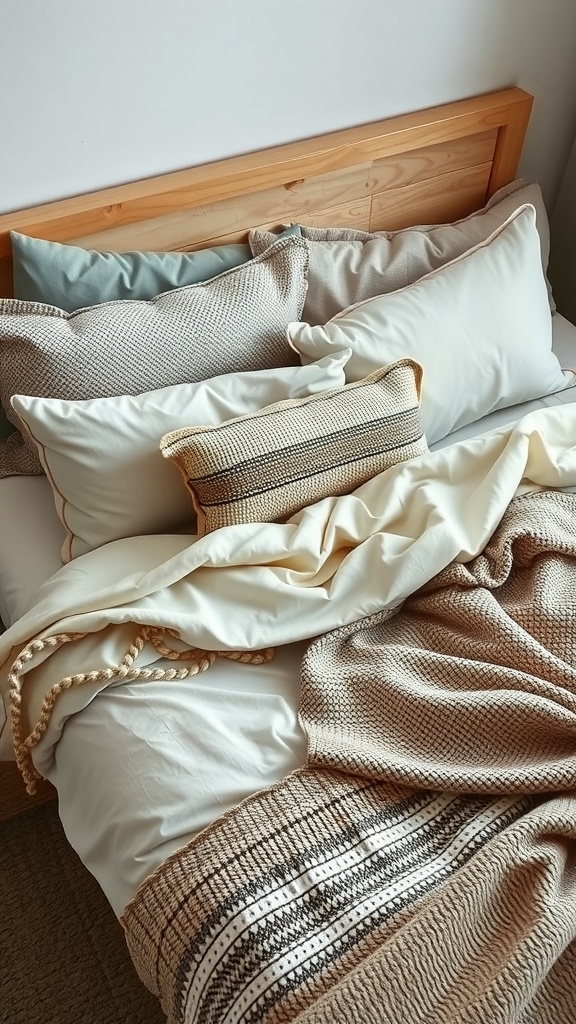
11. Textured Bedding
Layering different textures on the bed adds the depth and cosiness that plain flat-pack lacks. Mix a knit, a linen and a soft throw — texture is cheap luxury and hides a basic frame.
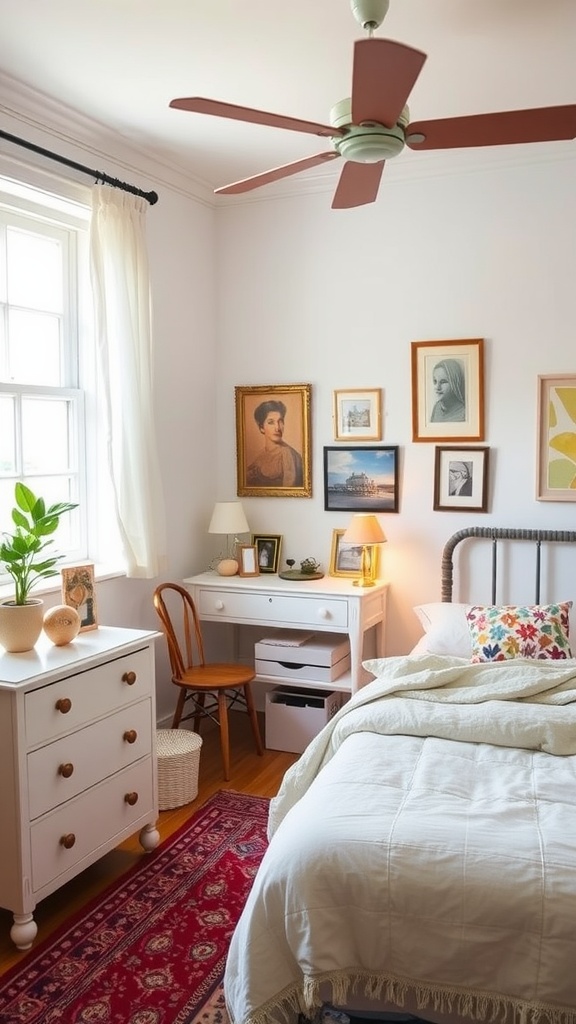
12. Mix in Vintage Finds
This is the single most effective anti-showroom move: one or two old pieces beside the flat-pack, so no source dominates. The contrast makes the new furniture read as simply "the plain pieces" rather than as a recognisable catalogue.
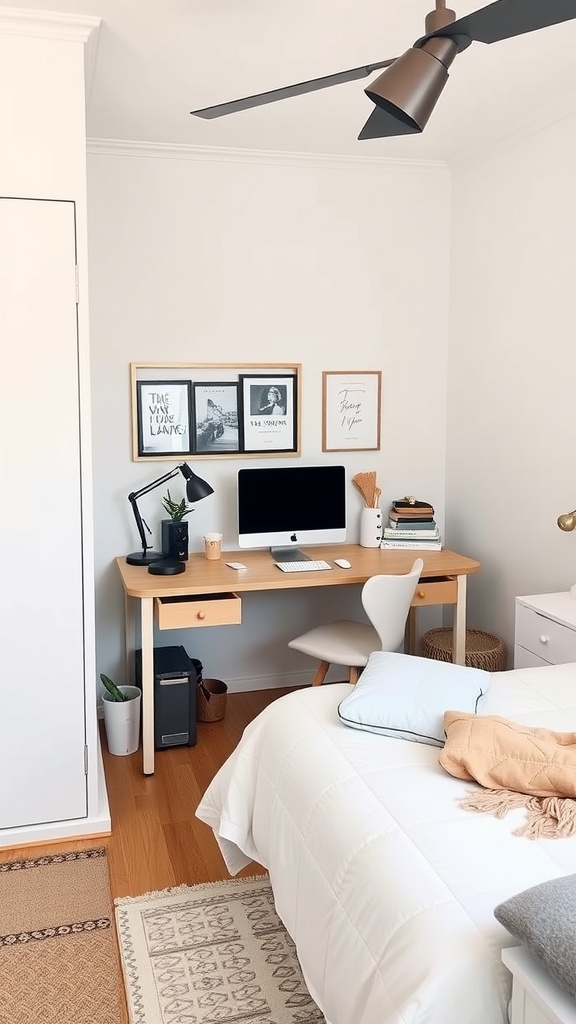
13. A Desk Corner
A simple desk and chair carve a workspace out of a bedroom corner affordably. Keep it tonal with the rest of the room so the work zone doesn't jar against the calm.
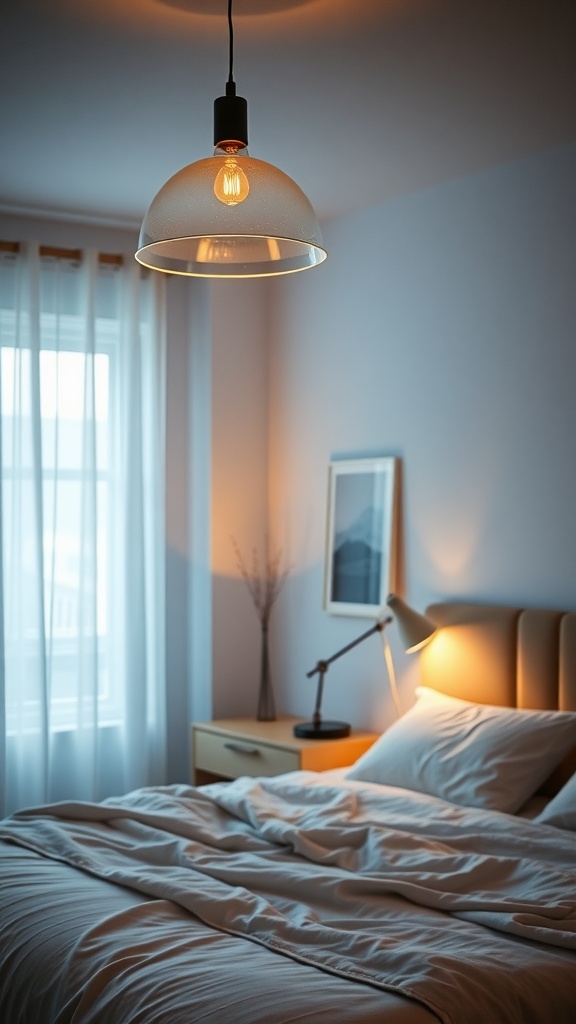
14. Layered, Warm Lighting
Affordable pendants, lamps and clip lights let you build the several warm sources a bedroom needs instead of relying on one ceiling bulb. Fit 2700 K bulbs and add a dimmer for instant atmosphere.
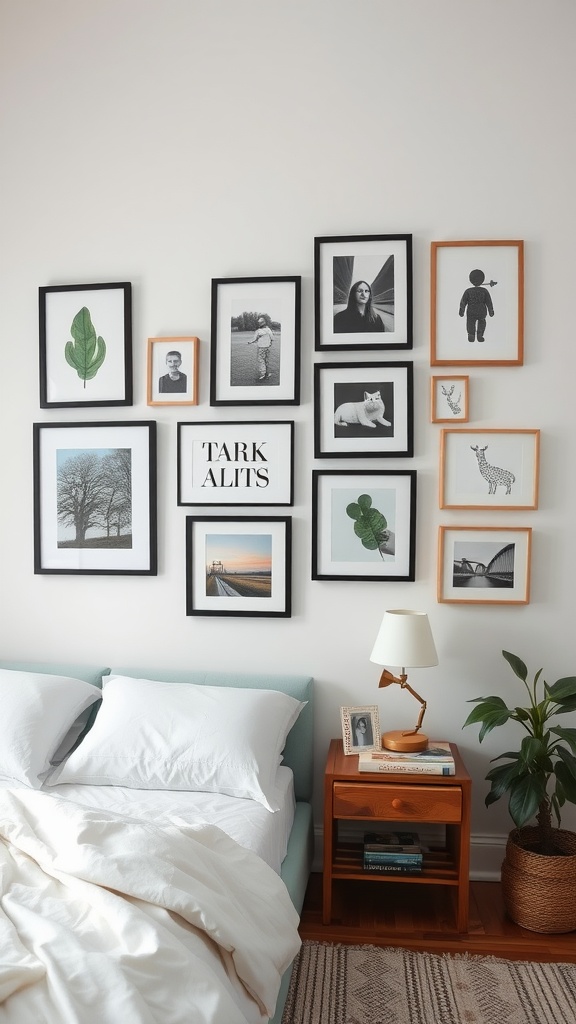
15. A Gallery Wall in Cheap Frames
Inexpensive frames filled with your own photos and art make walls deeply personal for very little. Mixing frame sizes and your own images is exactly the individuality a catalogue can't sell.
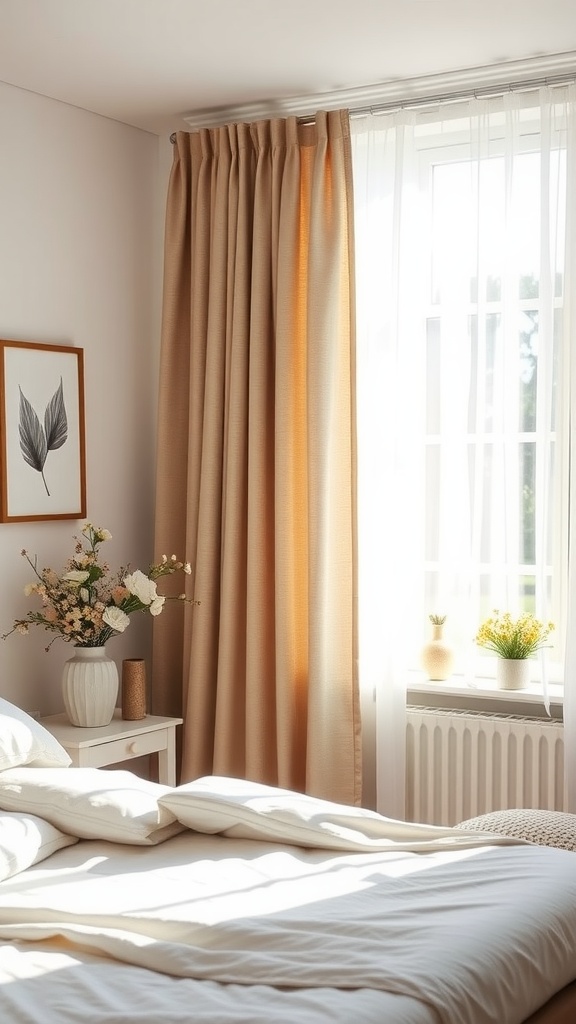
16. Better Curtains, Hung Right
Affordable curtains look far more expensive hung high and wide, breaking at the floor, than sitting short on the frame. Height and length are free upgrades that read as quality.
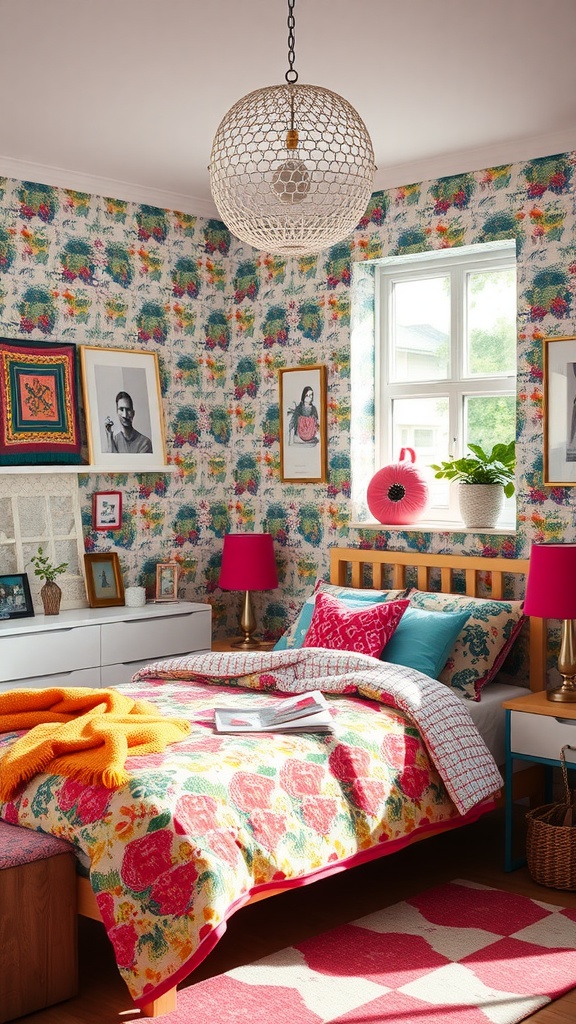
17. Mixed-Pattern Textiles
Cheap textiles are the low-risk way to experiment with pattern-mixing — vary the scale and share a palette. Because they're inexpensive and easy to change, textiles are where you can afford to be bold.
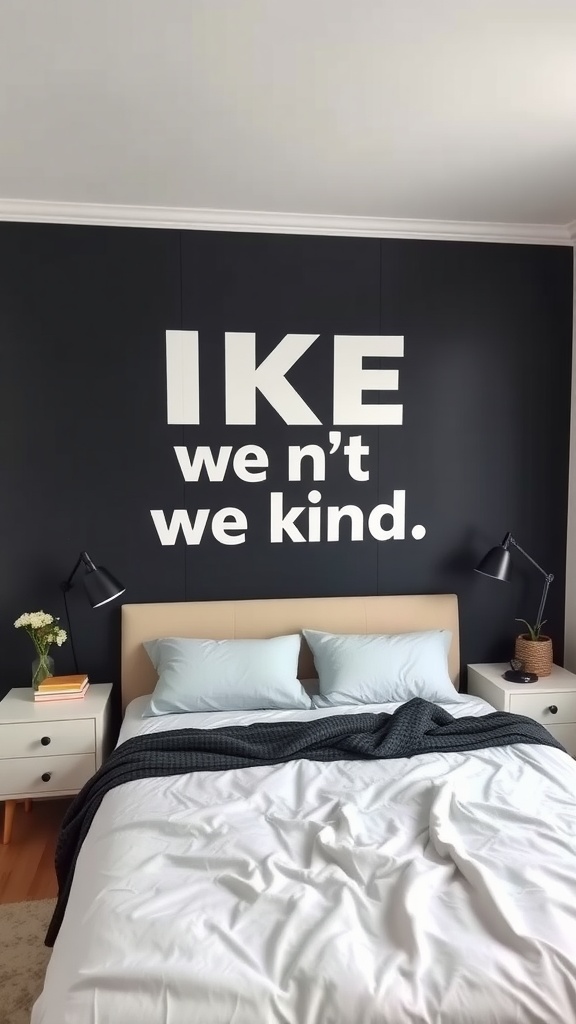
18. A Statement Wall
A bold wall behind the bed adds personality that furniture alone can't, and it draws the eye away from plain pieces. Paint is cheapest; a removable mural or decal keeps it renter-friendly.
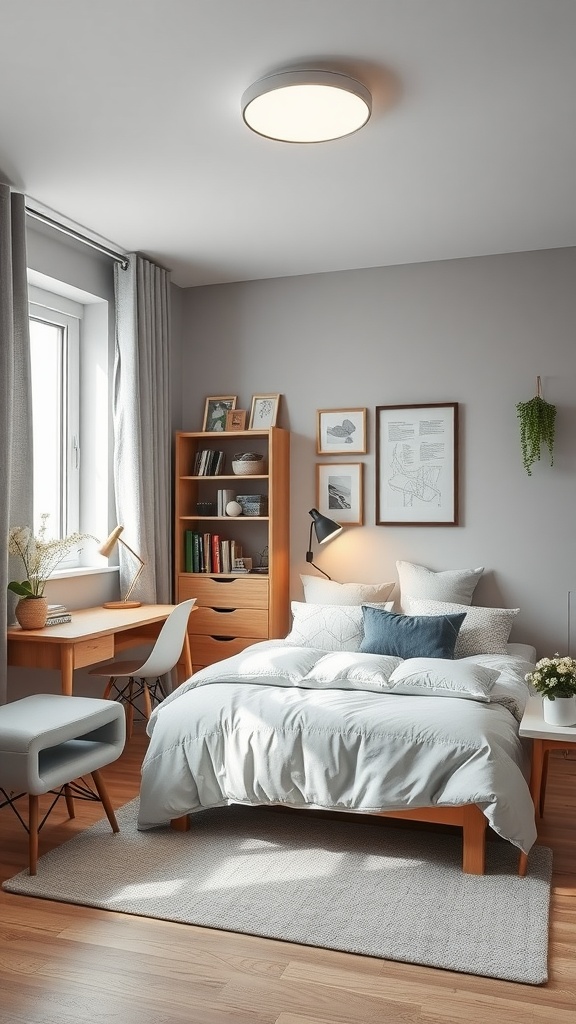
19. Flexible, Multi-Use Pieces
The modular ranges shine in rooms that must do several jobs — sleep, work, store. Pieces that stack, fold or reconfigure let one small room serve multiple functions.
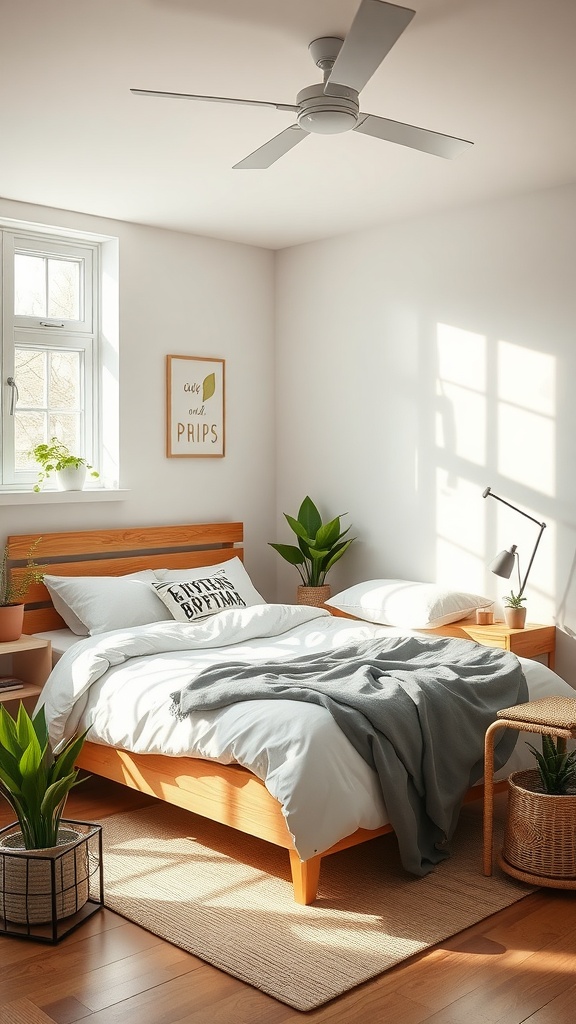
20. Buy Second-Hand and Pre-Loved
The resale market for flat-pack is huge, so buying used is cheaper and greener, and older pieces add the mixed-age look that breaks the showroom feel. It's the most sustainable way to furnish a room fast.
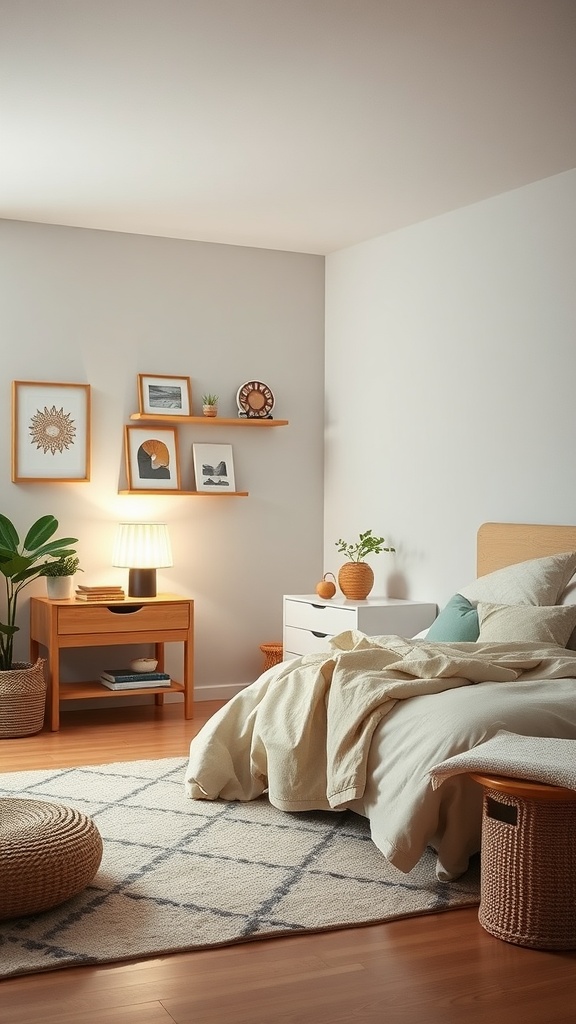
21. A Serene, Cohesive Scheme
Soft colours, natural materials and cosy lighting pull disparate pieces into one calm whole. Cohesion, not expense, is what makes an affordable room read considered.
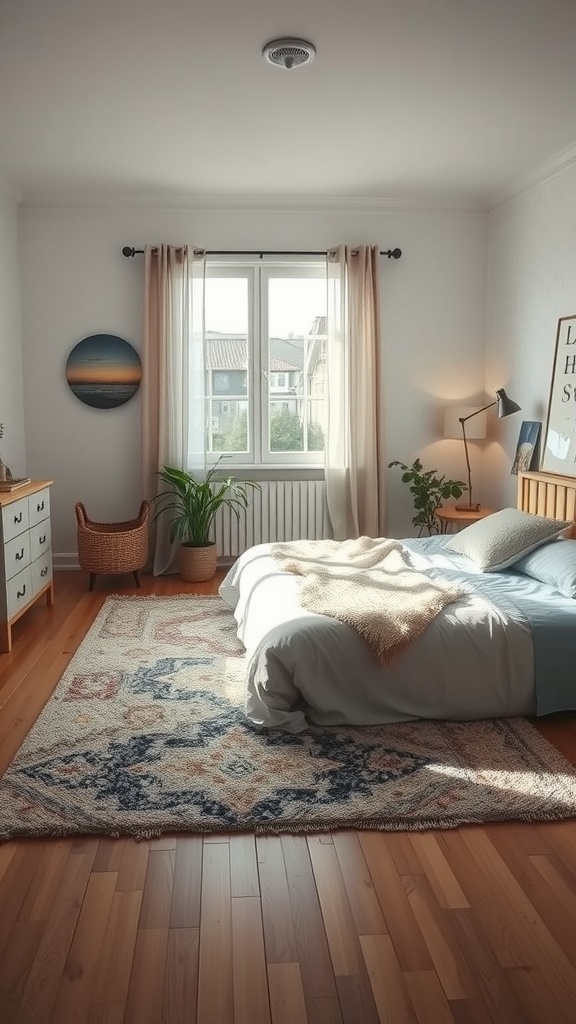
22. Layered Rugs
Layering an affordable rug over a larger natural one adds warmth, texture and a designed look for little money. It's an easy way to add depth to a plain floor.
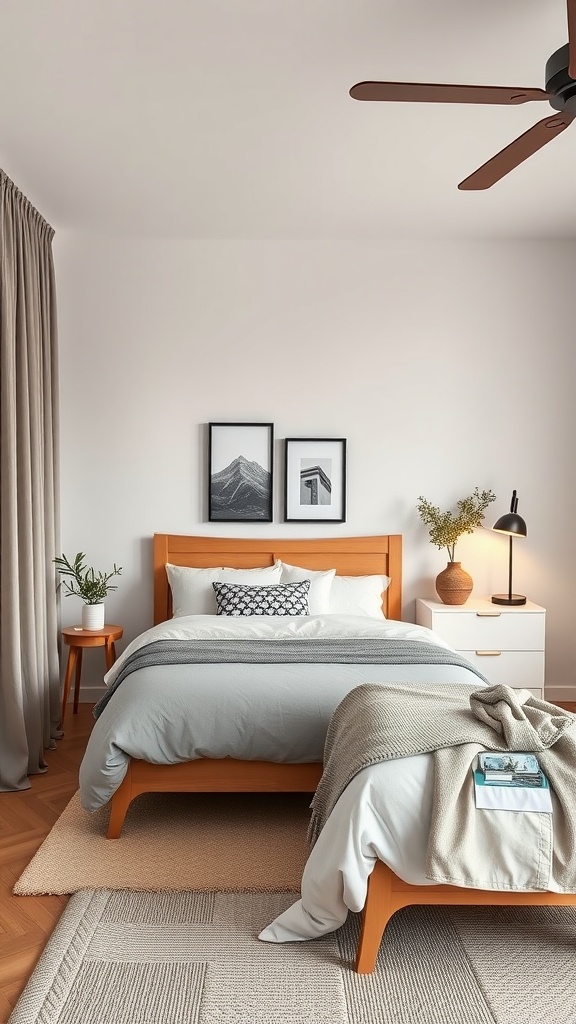
23. Smart Layouts for Two
Matching nightstands, symmetrical lighting and shared storage make a shared room feel balanced and considered. The affordability lets you buy in pairs, which is what reads as intentional.
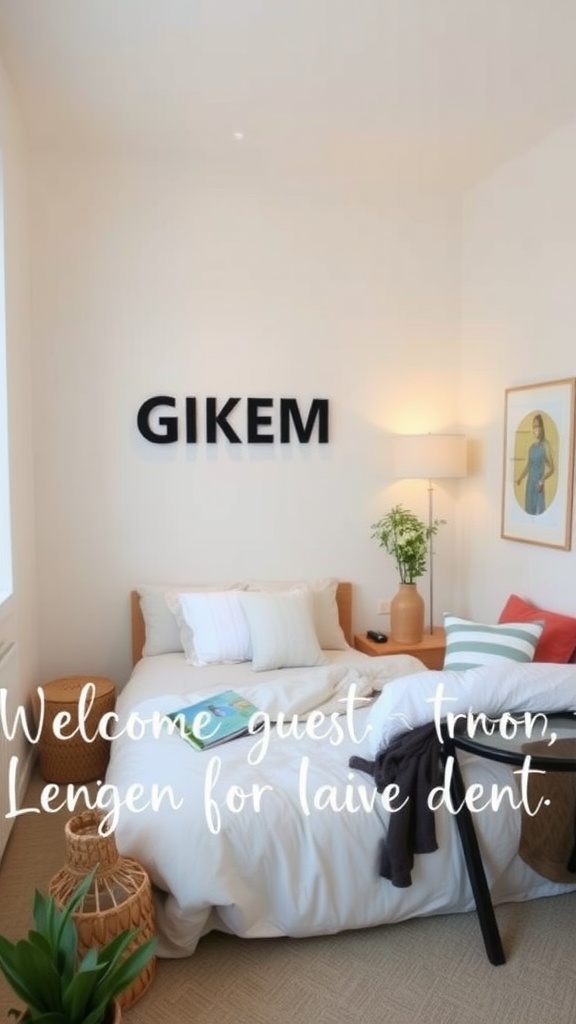
24. A Simple Guest Room
For a room used occasionally, affordable furnishing is exactly right — comfortable and clean without overspending. Crisp white bedding, a lamp and a plant make it feel welcoming rather than sparse.
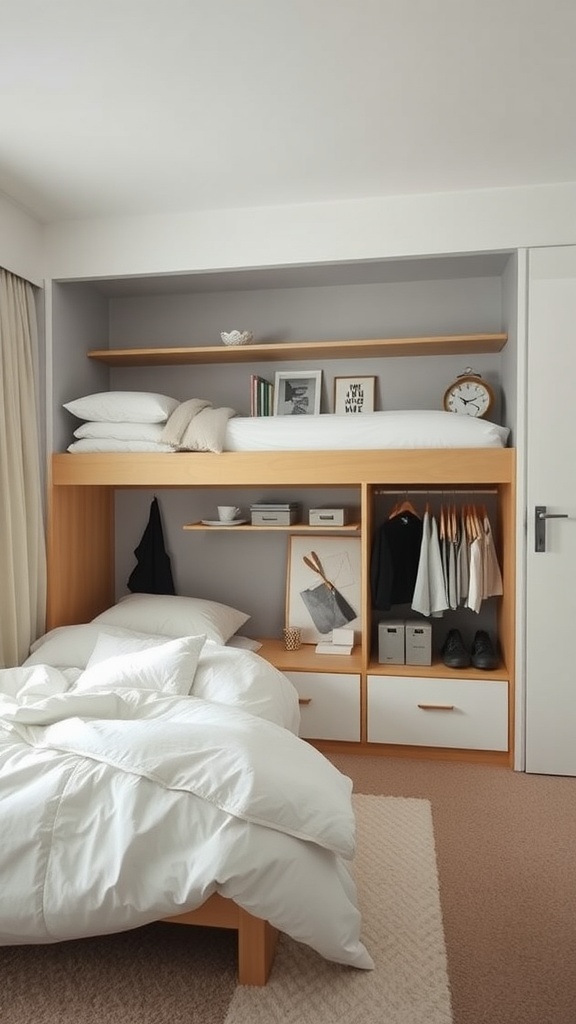
25. Under-Bed Storage
Storage beds and under-bed drawers reclaim the biggest patch of dead space in the room. In a small bedroom this is often the difference between clutter and calm.
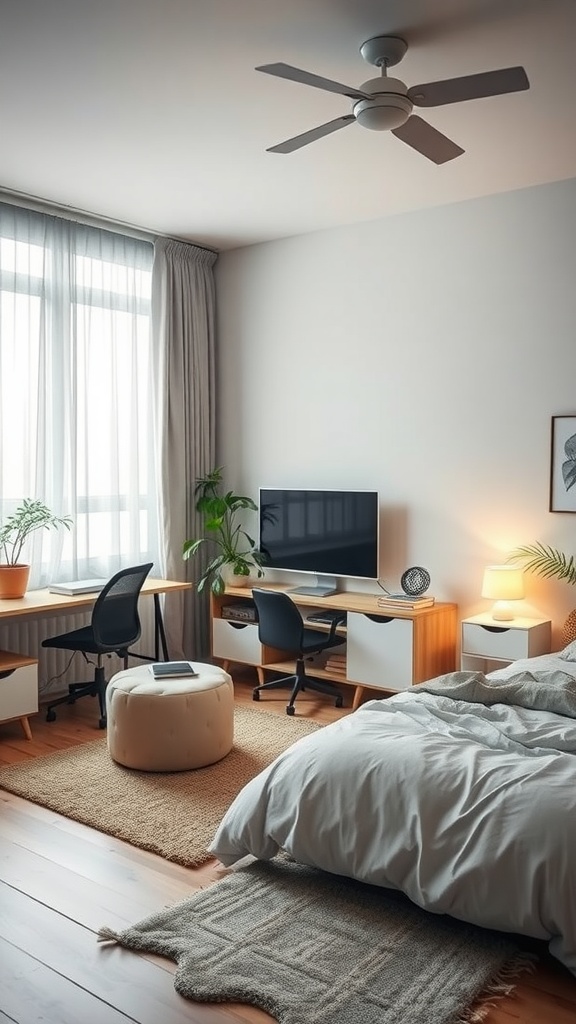
26. Discreet Smart Tech
Affordable smart bulbs and plugs add convenience, but keep the cables and devices out of sight. Visible wiring cheapens any room; plan charging and routing before you set up.
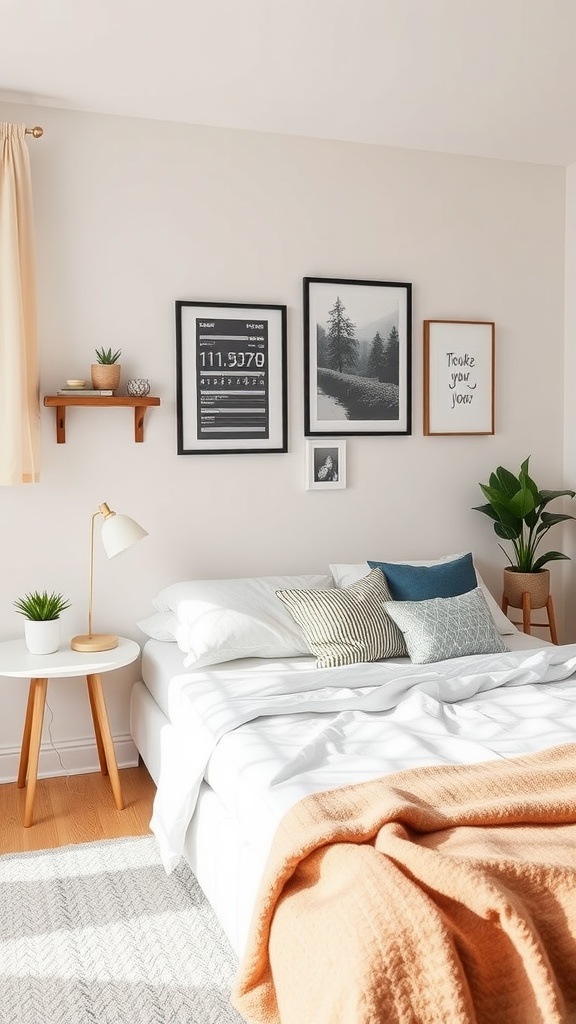
27. Refresh with Accessories Only
New cushions, art and a throw can update a room without replacing any furniture. Accessories are where a small budget buys the most visible change.
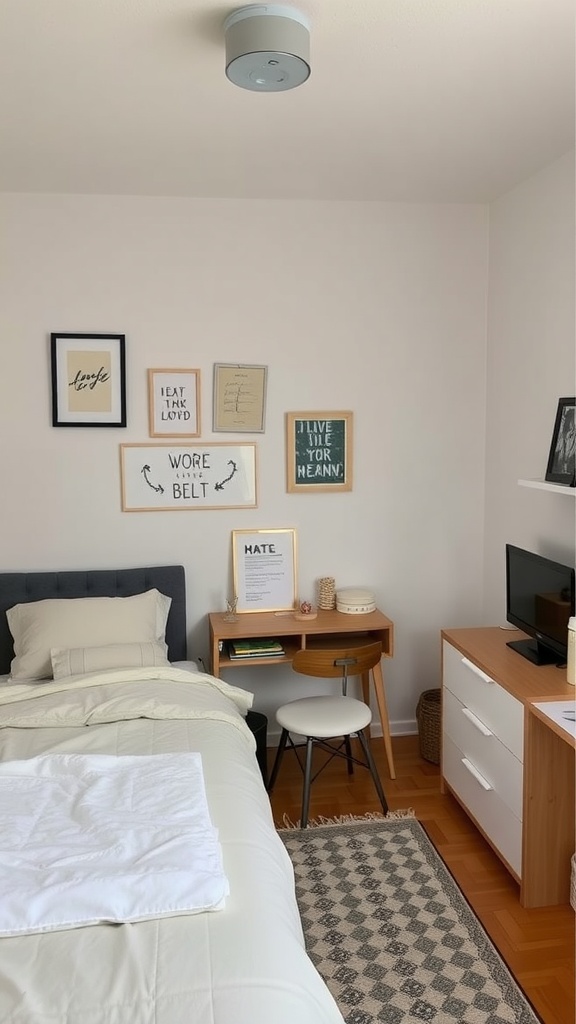
28. Personal Touches
Your own art, objects and photos are what turn a recognisable base into a room only you could have. Personality is the one thing the catalogue genuinely can't provide.
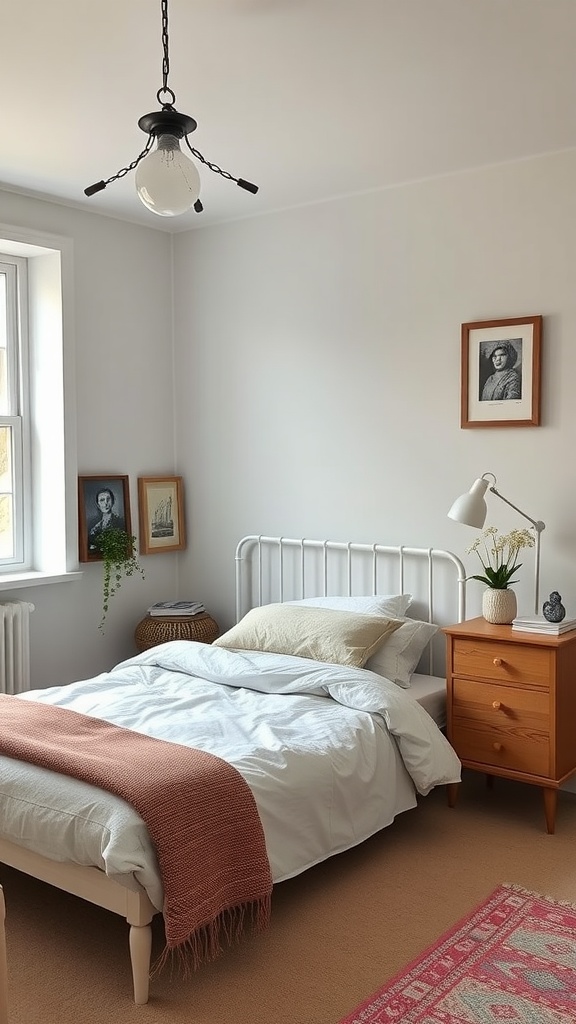
29. Choose Timeless Basics
Sticking to simple, classic forms means the room won't look tied to a particular year's range. Plain shapes date far more slowly than trend-led ones, and they mix more easily with other pieces.
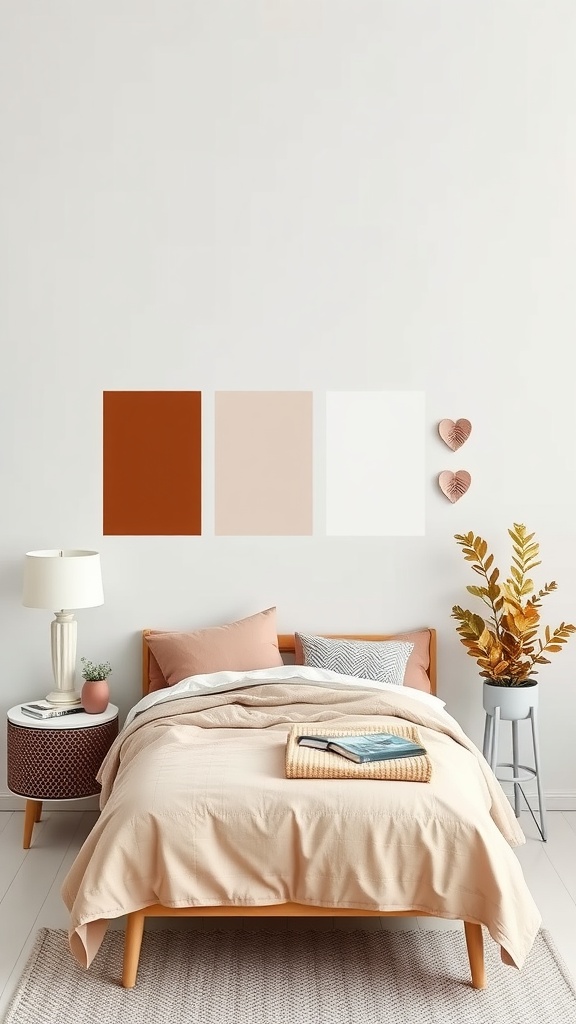
30. Plan with a Mood Board
Because the range is so broad, a plan stops you buying a jumble of pieces that don't cohere. Pin swatches and images first, then shop to the scheme rather than the showroom.
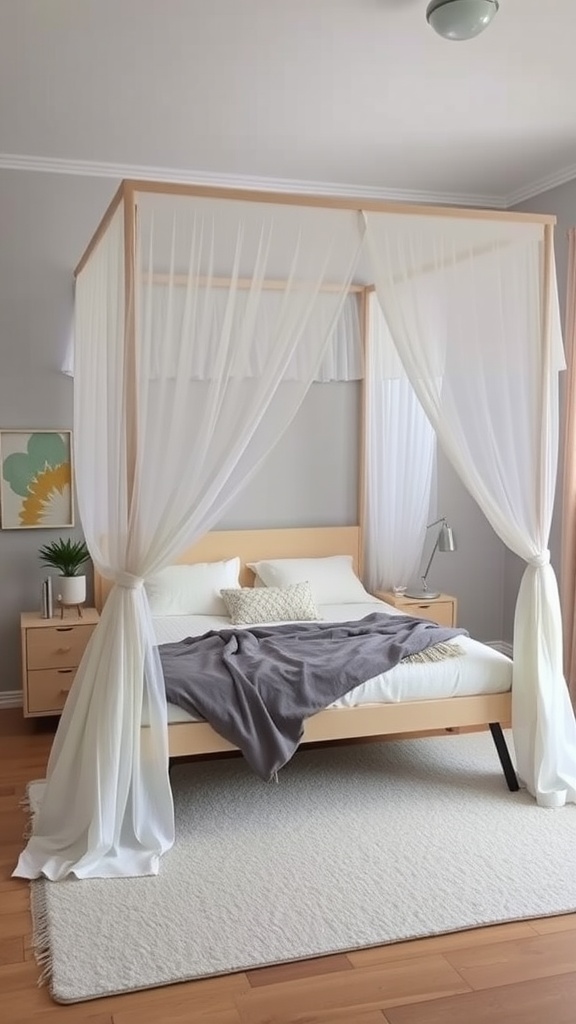
31. A DIY Canopy
A ceiling track or a simple frame plus curtains creates a canopy effect for a fraction of a specialist bed. It adds romance and softness to an otherwise plain frame.
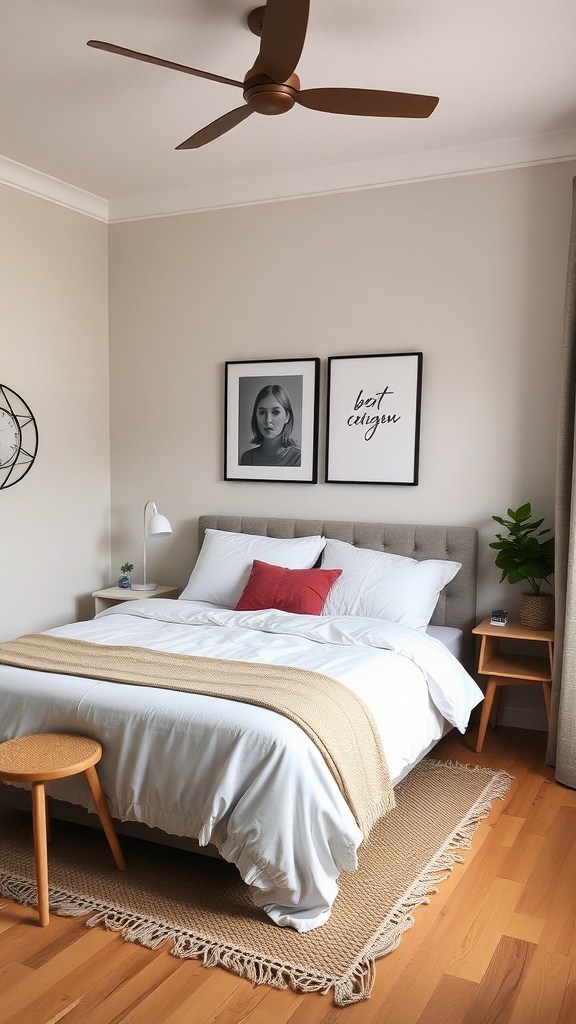
32. Rental-Friendly Transformation
Affordable, movable, non-permanent furniture is ideal for renters, and it comes with you when you leave. Lean on textiles, lighting and freestanding pieces that need no fixings.
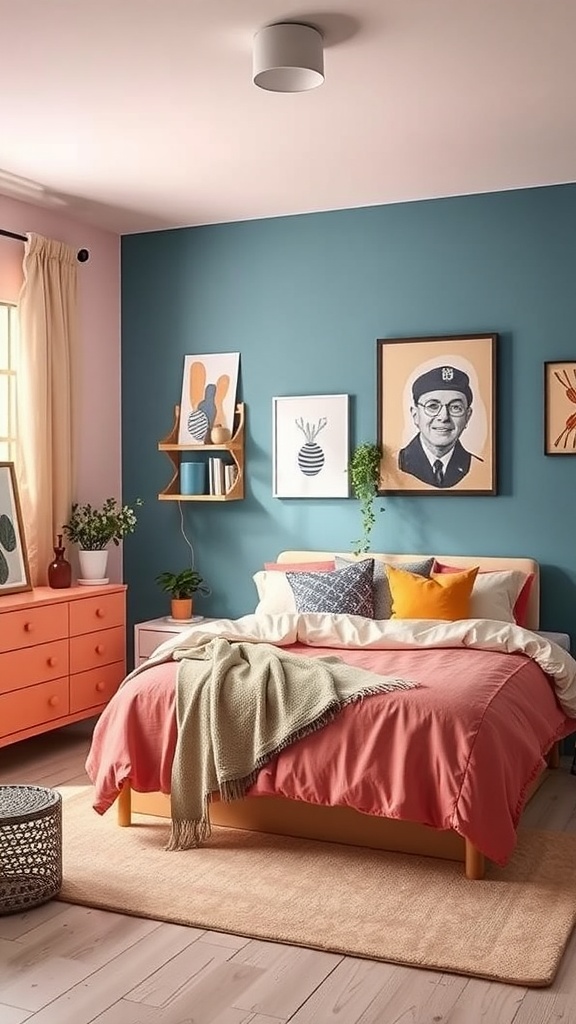
33. Colour Blocking
Painting plain pieces or walls in bold blocks of colour is a cheap way to add serious personality. Because the base is inexpensive, it's low-risk to experiment with confident colour.
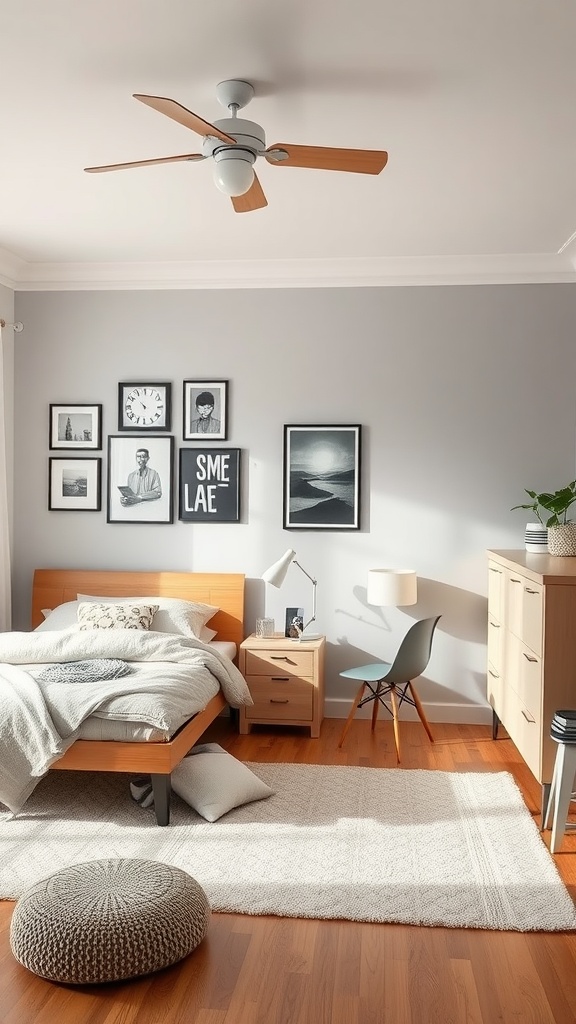
34. Blend with Other Styles
Flat-pack basics are neutral enough to sit inside almost any aesthetic — boho, mid-century, traditional — once you add the defining pieces from elsewhere. Use it as the quiet base, not the statement.
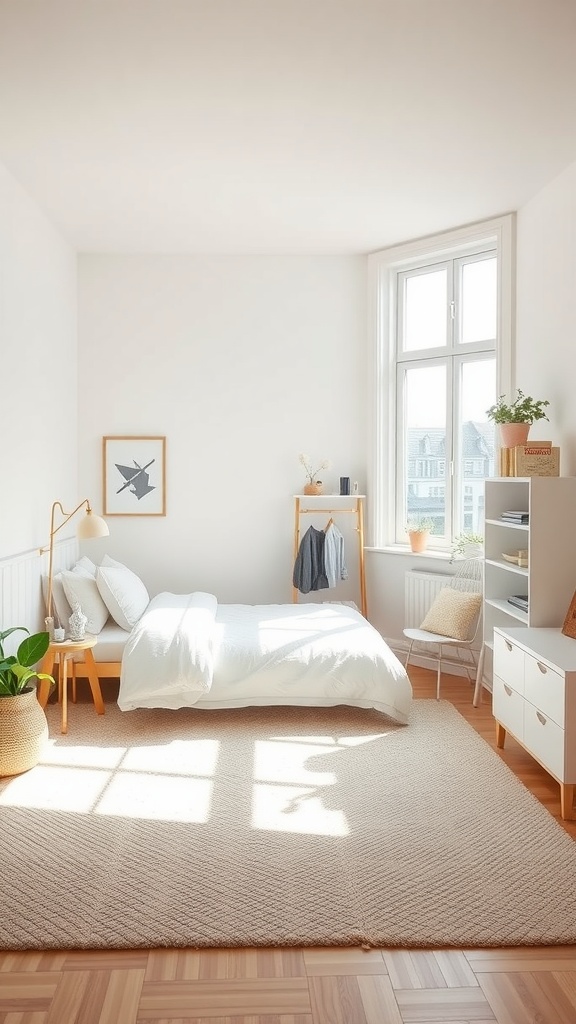
35. Maximise Natural Light
Light furniture, a mirror and unobstructed windows make the most of daylight and keep the room feeling airy. Free light flatters even the plainest pieces.
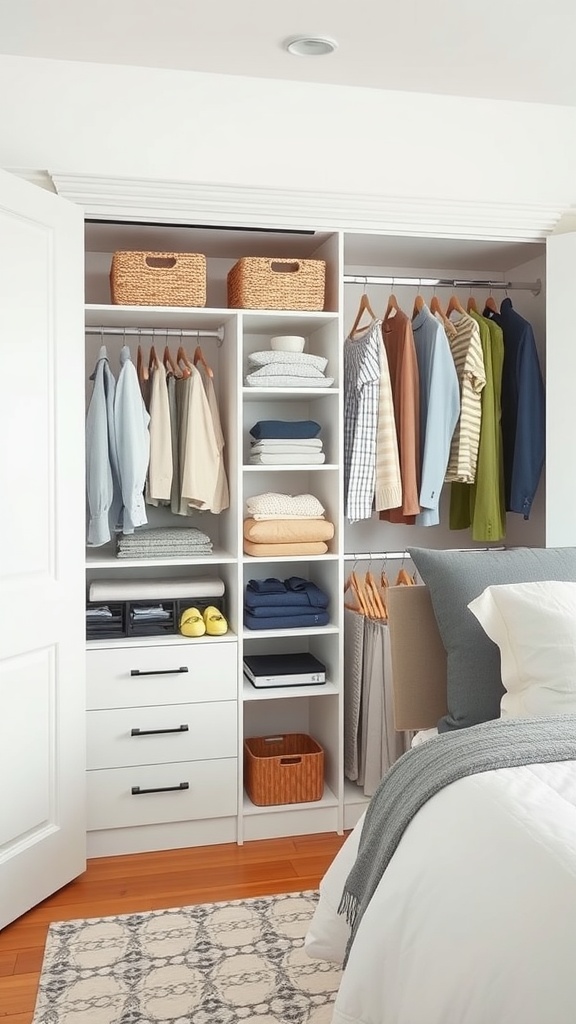
36. A Customised Closet System
Modular internal fittings turn a plain cupboard or alcove into an organised, near-fitted wardrobe for a fraction of joinery prices. This is arguably the range's strongest value proposition.
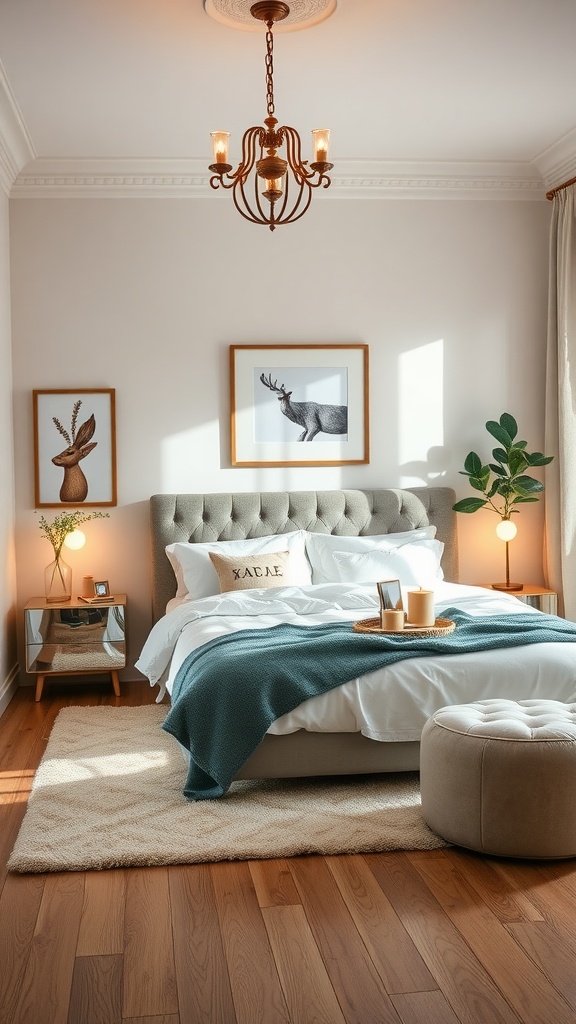
37. A Luxe Look on a Budget
An upholstered or tufted bed frame plus warm lighting and layered bedding reads far more expensive than it costs. Spend on the headboard and the textiles — the things you see and touch most.
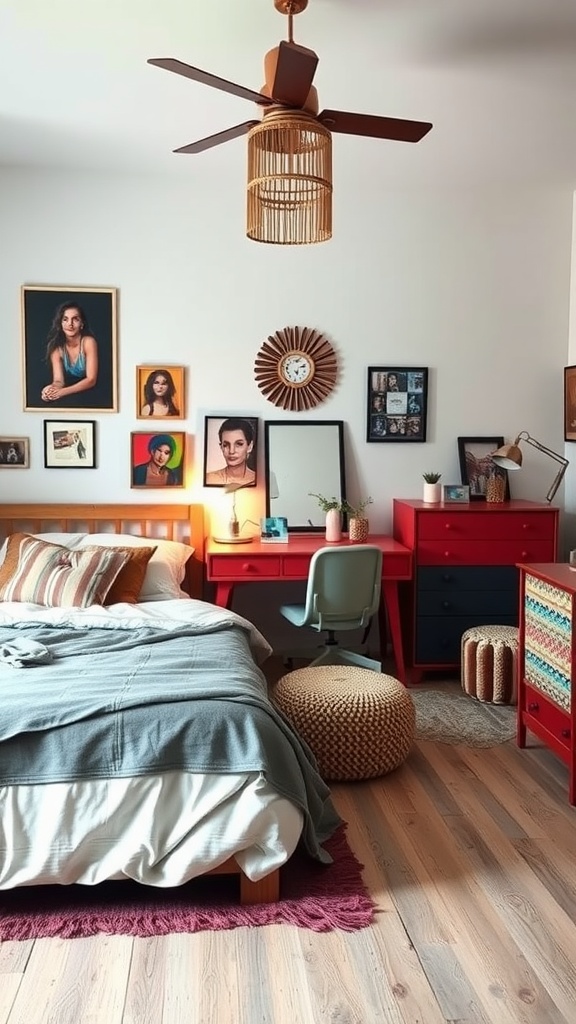
38. Bohemian Layers
Colourful textiles, plants and personal art transform plain furniture into a warm, collected boho room. The flat-pack becomes invisible under enough layered personality.
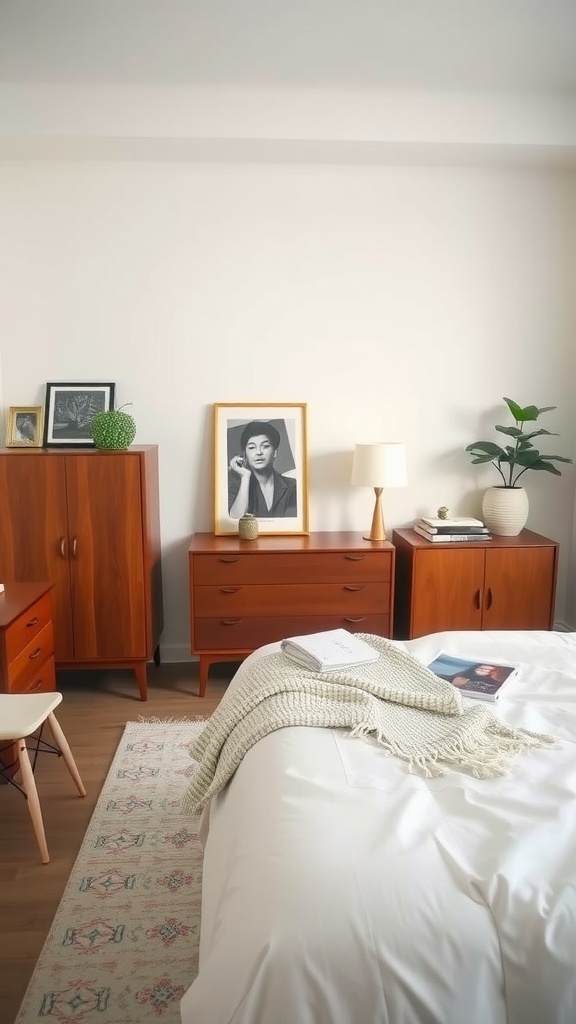
39. Older, Warmer-Toned Pieces
Earlier warm-wood pieces from the brand's back catalogue have aged into genuine character and mix beautifully with newer basics. Second-hand older models add the patina current ranges lack.
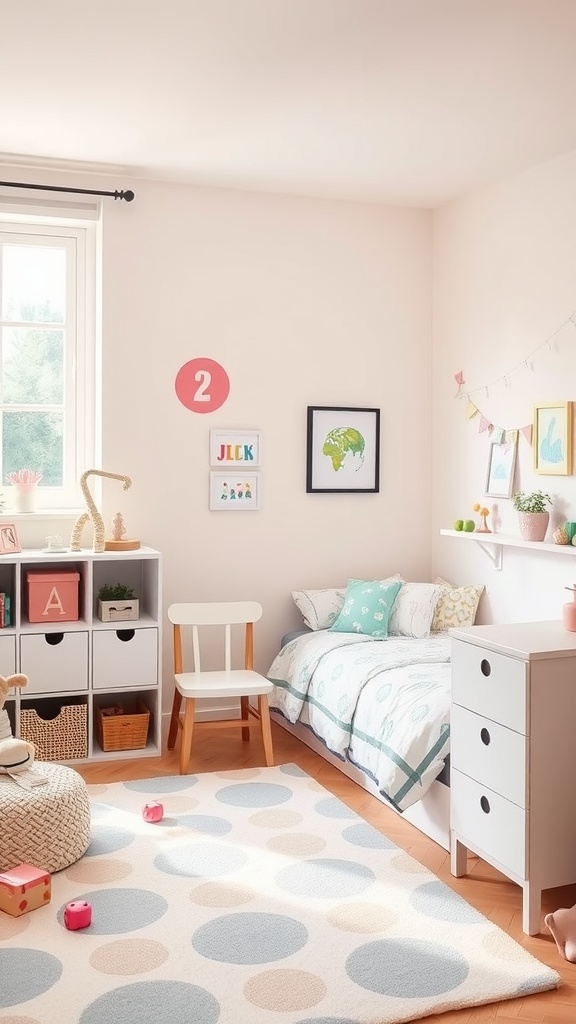
40. Safe, Organised Kids' Storage
Low, accessible storage helps children keep their own rooms tidy, and it's cheap enough to replace as they grow. Anchor every tall unit to the wall — child safety here is non-negotiable.
The five IKEA-hack upgrades that make the biggest difference
If you do nothing else, these five turn recognisable flat-pack into something that looks bespoke — in rough order of impact per pound:
- Change the handles. The loudest tell, the cheapest fix, and reversible for renters. Brass, leather or ceramic instantly reads as a considered choice.
- Add a mixed-source piece. One vintage or real-wood item beside the flat-pack breaks the showroom pattern and reframes everything else as "the plain pieces".
- Upgrade legs or fronts. Tapered wooden legs, hairpin legs, or third-party premium fronts change a piece's entire character and era.
- Paint it properly. Laminate primer plus a good topcoat lets you colour-match a plain piece to your room. Prep is everything.
- Close the gaps and level it. Scribe a filler to the wall, level the feet, anchor tall units. The "fitted" look is mostly in these unglamorous details.
IKEA bedroom on a budget
The whole point of the range is value, so the tiers here are about where to direct the savings.
Nearly free. Reassemble anything that's gone wobbly — properly this time, levelled and anchored. Rearrange for better light and flow. Restyle the bed with textures you own. Add plants. Swap in warm bulbs.
Under $60. New handles for the dresser and wardrobe, a set of 2700 K bulbs, a couple of accent cushions and a throw, and cheap frames filled with your own photos for a gallery wall.
Under $250. A wardrobe or closet system as the storage backbone (buy the carcass, budget for better fronts and handles), curtains hung high and long, a layered rug, and one contrasting non-IKEA or vintage piece to break the showroom look. Spend on the things you touch — bedding and the headboard — before anything decorative.
IKEA bedroom FAQ
How do I make IKEA furniture not look like IKEA? Customise the visible details (handles, legs, fronts, paint), never build an all-IKEA room — mix in vintage or other-source pieces so nothing dominates — and assemble and finish it properly (level, close wall gaps, anchor). The quality is fine; it's ubiquity plus a few cost-cut details that give it away, and those are exactly what you change.
Which IKEA bedroom pieces are worth buying? The structural ones — wardrobe and closet systems, bed frames, drawer carcasses — are well-engineered and excellent value. Treat the standard fronts, handles and tops as a starting point to upgrade. Buy the good bones cheap and spend a little on the surface.
Can you paint IKEA laminate furniture? Yes, but preparation decides the result. Clean thoroughly, use a primer made for laminate or melamine, then a durable topcoat. Skipping the right primer is why painted flat-pack often peels.
Are IKEA hacks worth the effort? For high-impact, low-cost changes — handles, legs, paint, mixing in other pieces — absolutely; they transform a room cheaply. Elaborate build-from-scratch hacks are more of a hobby; judge them on whether the time is worth it to you.
Is flat-pack furniture safe? When assembled fully and anchored, yes. The real risk is tip-over from tall, unanchored units — always use the wall strap on wardrobes and chests, especially in children's rooms. Build slowly, tighten everything, and level it.
Common IKEA bedroom mistakes
- An all-IKEA room. Everything from one catalogue reads as a showroom. Dilute with at least one piece from elsewhere.
- Keeping the standard handles. The single loudest tell, and the easiest thing to change.
- Rushed assembly. Not square, not tight, not levelled, not anchored — it will look and feel cheap and won't last.
- Painting without priming. Laminate needs the right primer or the finish peels. Prep is everything.
- Skipping the wall anchor. A genuine safety hazard, not an optional step, on any tall unit.
- Buying without a plan. The huge range makes it easy to accumulate pieces that don't cohere. Plan the scheme, then shop to it.
Final thought
IKEA gives you an affordable, well-made backbone — the trick is to treat it as exactly that: a base, not the finished room. Buy the solid carcasses cheap, upgrade the handful of details that give the price away, refuse to source everything from one place, and assemble it like it matters. Then spend the money you saved on the layer that makes a room personal — your art, your textiles, one contrasting find, good warm light. Do that and the flat-pack disappears, leaving a room that looks like nobody else's.

Sources & principles referenced
- The "flat-pack tell" as a product of ubiquity plus visible cost-saving details (standard hardware, thin laminate edges, plinths, wall gaps).
- High-impact customisation — swapping handles, legs and third-party fronts, and painting laminate with an appropriate primer and topcoat.
- Diluting a single-source room by mixing in vintage and other-brand pieces.
- The distinction between well-engineered carcasses/frames worth buying and finishes worth upgrading.
- Proper assembly, levelling, filler-panel scribing for a fitted look, and mandatory wall-anchoring of tall units for tip-over safety.
- Layered warm (2700 K) lighting.
- Full-length curtains hung high and wide as a perceived-quality upgrade.
- Second-hand flat-pack sourcing for cost and sustainability.